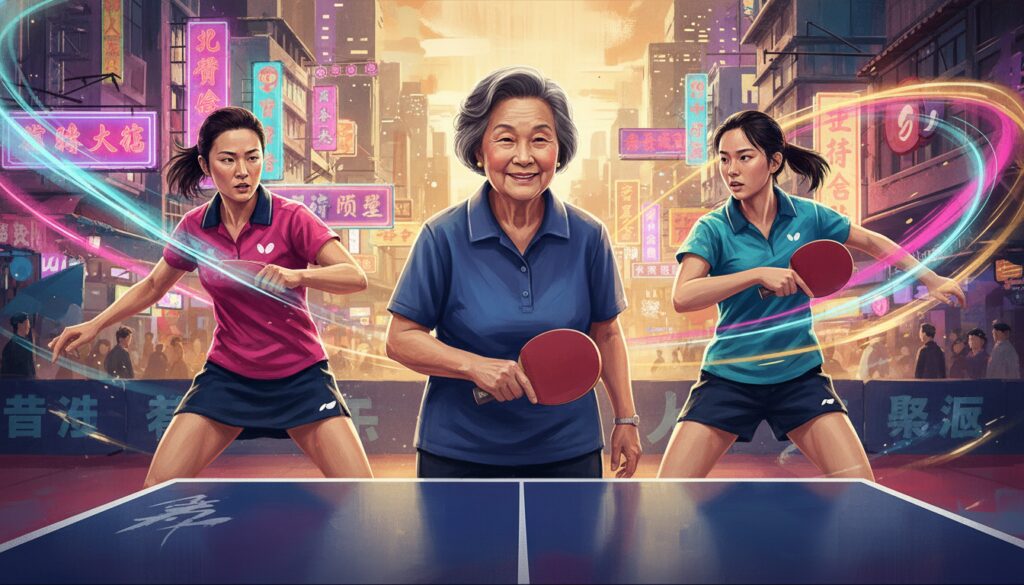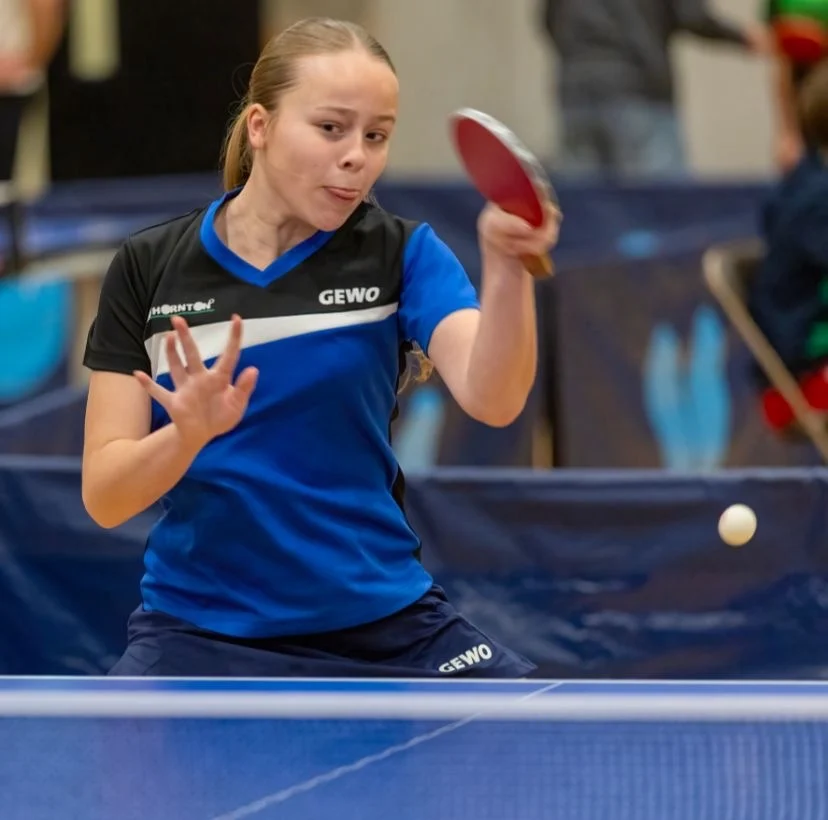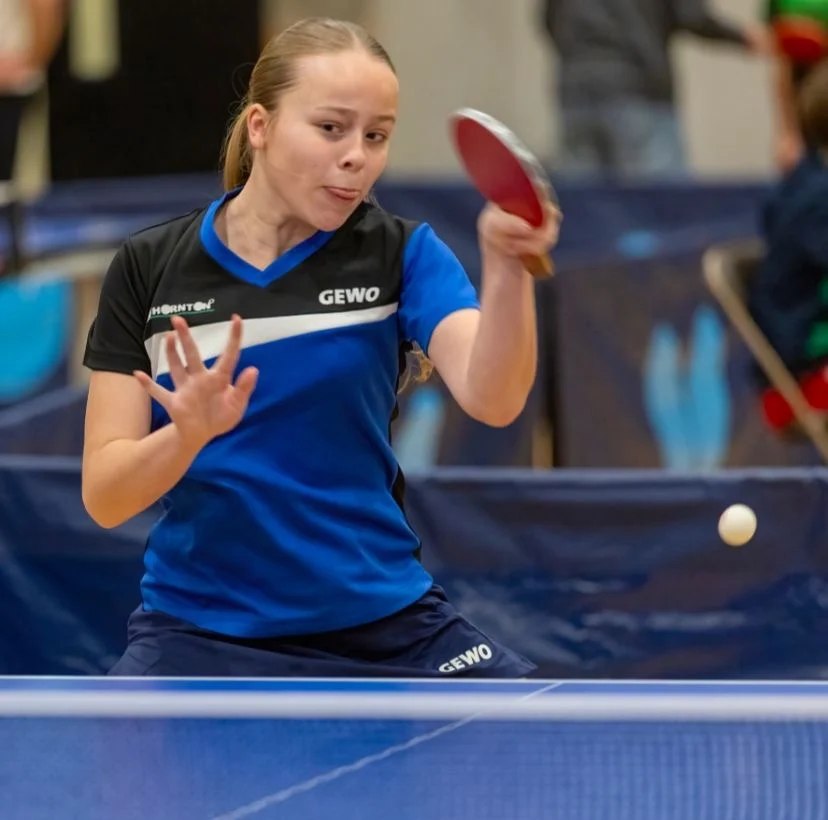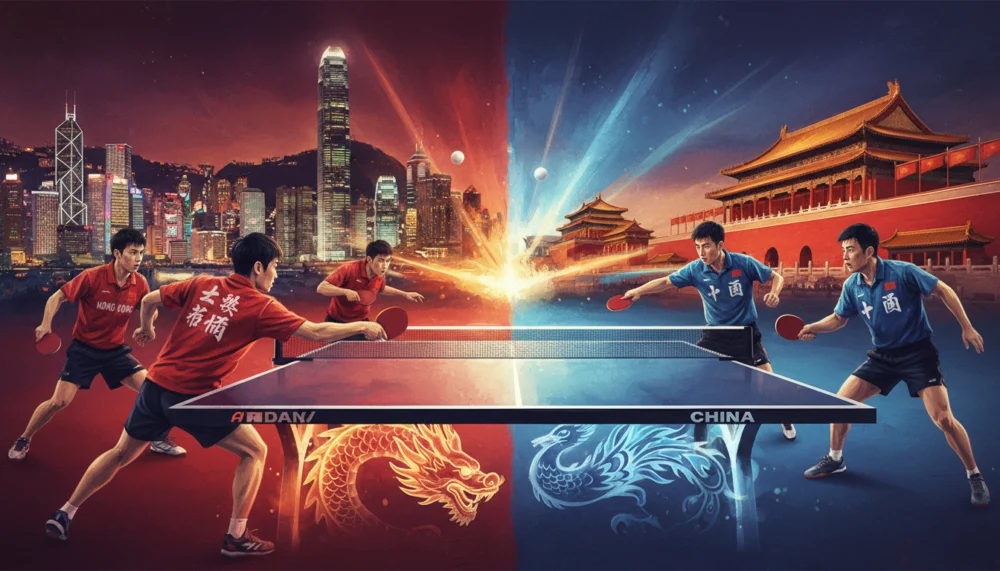
Table tennis, often referred to as the national sport of China, holds a special place in the hearts of sports enthusiasts in both Mainland China and Hong Kong. The encounters between these two entities are more than just sporting events; they represent a complex blend of shared history, technical excellence, and intense regional pride. Over the years, these matches have showcased some of the highest levels of athleticism and strategic depth seen in the sport.
The Historical Context of the Rivalry
For decades, the table tennis world has been dominated by the Chinese national team. However, Hong Kong has consistently emerged as a formidable challenger, often utilizing a mix of homegrown talent and players who have migrated from the Mainland to represent the Special Administrative Region (SAR). This unique demographic shift has created a fascinating dynamic where former teammates often find themselves on opposite sides of the table.
The 1980s and 90s: Laying the Foundation
During the late 20th century, Hong Kong began to formalize its professional training programs. While the Mainland was already a global powerhouse, Hong Kong started to produce players capable of causing upsets in regional tournaments. These early encounters were crucial in establishing the competitive spirit that defines the relationship today.
The technical exchange between the two regions has always been significant. Many coaches from the Mainland moved to Hong Kong, bringing with them the rigorous training methodologies that have made China the world leader in the sport. This shared knowledge base means that matches between the two are often tactical battles where both sides are intimately familiar with each other’s strengths and weaknesses.
Memorable Team Championships and Olympic Milestones
One of the most significant moments in Hong Kong’s table tennis history occurred during the 2004 Athens Olympics. The Men’s Doubles pair, Ko Lai-chak and Li Ching, reached the final, eventually facing the Chinese pair of Chen Qi and Ma Lin. While the Hong Kong duo took the silver medal, the match was a testament to the SAR’s ability to compete at the very highest level against the world’s best.
The 2006 Asian Games Triumph
In the 2006 Asian Games held in Doha, Hong Kong’s men’s team once again proved their mettle. The competition saw intense clashes in the knockout stages, where the tactical nuances of the Hong Kong players often forced the Mainland Chinese stars to adapt their game plans mid-match. These encounters solidified Hong Kong’s reputation as a ‘giant killer’ in the international arena.
The Rise of Women’s Table Tennis
The rivalry is equally intense in the women’s division. Players like Tie Yana and Lin Ling became household names in Hong Kong during the early 2000s. Their matches against Mainland superstars like Zhang Yining and Wang Nan were characterized by long rallies and incredible defensive displays.
Tie Yana’s Impact
Tie Yana, in particular, was known for her exceptional composure. Her ability to stay calm under pressure against the aggressive Mainland attackers often led to thrilling five-set or seven-set matches. Her presence in the Hong Kong squad elevated the team’s status, making every encounter with China a must-watch event for fans.
The Tokyo 2020 Olympics: A Modern Classic
The Tokyo 2020 Olympics (held in 2021) provided another historic chapter in this rivalry. In the Women’s Team bronze medal match, Hong Kong faced Germany, but the narrative leading up to the finals was dominated by how the SAR team compared to the dominant Chinese squad. The success of the Hong Kong women’s team in securing the bronze was celebrated as a victory for the local sports system.
Technical Innovations and Strategic Shifts
The evolution of the game, including the switch to the plastic ball (poly ball), has affected both teams. Hong Kong players have often been quick to adapt their equipment and technique to counter the sheer power of the Mainland Chinese players. This has led to a greater emphasis on spin variation and placement rather than raw speed.
The use of the ‘penhold’ grip versus the ‘shakehand’ grip has also been a point of interest. While the Mainland has moved more towards a dominant shakehand style, Hong Kong has preserved and refined various styles, leading to diverse tactical matchups that challenge the Mainland’s standard training drills.
Psychological Dynamics on the Court
Facing the Chinese national team is often described as the toughest psychological challenge in table tennis. For Hong Kong players, there is the added layer of cultural and linguistic similarity, which can either be a comfort or an added pressure. The ‘Big Brother’ dynamic is always present, but Hong Kong’s top athletes have consistently shown they can overcome this mental hurdle.
The Role of Youth Development
In recent years, both regions have invested heavily in youth academies. The Hong Kong Sports Institute has been instrumental in nurturing local talent, ensuring that the next generation of players can sustain the rivalry. Matches at the junior level are now just as competitive, indicating that the future of Hong Kong versus China encounters remains bright.
Impact on Global Table Tennis
The frequent high-level matches between Hong Kong and China have benefited the sport globally. They provide a blueprint for how a smaller region can develop a world-class program through strategic investment and international exposure. The rivalry keeps the Mainland team on their toes, preventing complacency and driving innovation across the board.
- Key Encounter 1: 2004 Athens Olympics Men’s Doubles Final.
- Key Encounter 2: 2012 World Team Championships Semi-Finals.
- Key Encounter 3: 2020 Tokyo Olympics Women’s Team Bronze Medal run.
In conclusion, the historic table tennis encounters between Hong Kong and China are a vital part of the sport’s fabric. They represent a unique intersection of shared heritage and fierce athletic competition. As both regions continue to produce world-class talent, fans can look forward to many more years of high-octane matches that push the boundaries of what is possible on a table tennis table.