The landscape of competition in Hong Kong is undergoing a profound transformation. For decades, the region was defined by a cautious, risk-averse approach that prioritized stability and long-term incremental growth. However, a new era is emerging, characterized by a tactical shift toward aggressive play. This change is visible not just in the high-stakes world of finance, but also in the burgeoning esports scene, traditional sports, and the corporate boardroom.
The Historical Context of Strategic Conservatism
Historically, Hong Kong’s strategic identity was rooted in its role as a stable bridge between East and West. This fostered a culture of ‘defensive excellence,’ where avoiding errors was often more important than taking bold risks. Whether in the local football leagues or the management styles of family-run conglomerates, the focus remained on sustainability. The shift we see today represents a significant departure from these foundational norms.
Defining Aggressive Play in the Modern Context
Aggressive play in the modern Hong Kong context does not equate to recklessness. Instead, it refers to a proactive, high-pressure strategy designed to dictate the tempo of an engagement and force opponents into making mistakes. This methodology relies heavily on data analytics, rapid execution, and a willingness to embrace volatility for the sake of superior returns or competitive dominance.
The Role of Technological Innovation
Technology has been the primary catalyst for this shift. With the integration of AI and real-time data processing, competitors can now identify windows of opportunity that were previously invisible. This has enabled a more assertive stance, as the margin for error is managed through precise algorithmic insights rather than simple caution.
Aggression in Hong Kong’s Financial Markets
The financial sector is perhaps the most visible arena for this tactical evolution. Traditional portfolio management is being challenged by high-frequency trading and aggressive arbitrage strategies. Traders are no longer content to wait for market trends; they are actively seeking to influence liquidity and price action through bold, large-scale movements.
- High-Frequency Trading: Utilizing speed to capture micro-fluctuations in the market.
- Aggressive Arbitrage: Identifying and exploiting price discrepancies across global exchanges instantly.
- Leveraged Positions: Increasing exposure to maximize the impact of strategic market entries.
The Transformation of Sports and Esports
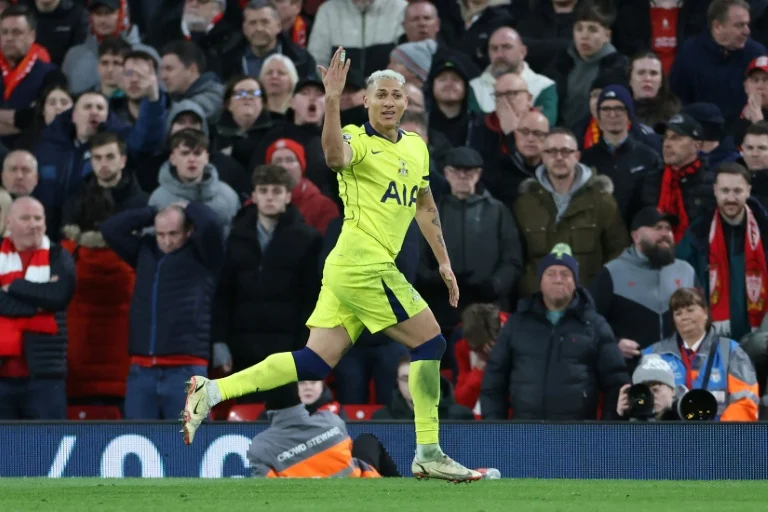
In the realm of physical and digital sports, the ‘Hong Kong style’ is becoming synonymous with high-intensity pressure. In local football, coaches are increasingly adopting a high-pressing system, moving away from the traditional ‘park the bus’ mentality. The goal is to win the ball back as high up the pitch as possible, shortening the distance to the opponent’s goal and maintaining constant offensive threat.
Dominance in the Esports Arena
The esports scene in Hong Kong has seen a similar trend. Local teams competing in titles like League of Legends and Valorant are gaining international recognition for their ‘hyper-aggressive’ early-game tactics. By securing early advantages through risky but calculated maneuvers, they disrupt the strategic rhythm of more conservative international teams.
Corporate Aggression and Market Disruption
The corporate landscape is also feeling the heat. Startups in Hong Kong are no longer following the slow-and-steady growth model. Instead, they are adopting ‘blitzscaling’ techniques to capture market share rapidly. This involves aggressive marketing spend, rapid product iteration, and a focus on out-pacing established incumbents before they can react.
Marketing and Brand Positioning
Modern Hong Kong brands are utilizing confrontational marketing to stand out in a crowded marketplace. By directly challenging industry leaders and using bold, provocative messaging, these companies are successfully carving out niches and attracting a younger, more dynamic consumer base that values assertiveness.
The Psychological Edge of Aggressive Tactics
Beyond the physical or financial gains, there is a significant psychological component to this shift. Aggressive play puts the opponent on the back foot, forcing them into a reactive state. In any competitive environment, the party that controls the narrative and the pace of the interaction holds a distinct psychological advantage, often leading to unforced errors from the opposition.
Risks, Challenges, and Mitigation
While the benefits of aggressive play are clear, the risks are equally substantial. High-intensity strategies can lead to rapid burnout, both in athletes and corporate employees. Furthermore, the financial stakes involved in aggressive market positions can lead to catastrophic losses if the underlying data is flawed or if market conditions shift unexpectedly.
Balancing Risk and Reward
The most successful practitioners of this new tactical shift are those who know when to pull back. Calculated aggression requires a deep understanding of the environment and a robust exit strategy. It is about choosing the right moment to strike, rather than maintaining a constant state of high-risk activity.
The Future of Strategy in Hong Kong
Looking ahead, the trend toward aggressive play is likely to accelerate as global competition intensifies. Hong Kong’s ability to blend its traditional analytical strengths with this new-found assertiveness will determine its success on the world stage. The shift is not just a trend; it is a fundamental evolution in how the region competes, survives, and thrives.
Conclusion
The tactical shift toward aggressive play in Hong Kong marks the end of an era of passive stability and the beginning of a dynamic, high-stakes future. By embracing proactive strategies and leveraging modern technology, Hong Kong is redefining what it means to be a global competitive powerhouse. Whether in the boardroom or on the field, the message is clear: the best defense is a relentless offense.