Hong Kong’s fresh graduates are confronting a historically challenging career landscape, with a staggering 69 per cent of job sectors reporting their fewest vacancies in six years. This trend, experts widely attribute to the accelerating integration of artificial intelligence (AI) across industries and a persistently sluggish global and local economy, is creating unprecedented hurdles for those entering the workforce. The latest figures paint a stark picture: the number of job vacancies available to graduates has plummeted to a five-year low, signalling a significant shift in the demand for entry-level talent.
A Deepening Decline in Entry-Level Opportunities
Data compiled by the Joint Institution Job Information System (JIJIS), a centralised online platform aggregating job postings from Hong Kong’s eight publicly funded universities, reveals a precipitous decline in available positions. Last year, the system recorded a total of 30,798 job vacancies, marking a substantial 51.5 per cent decrease compared to 2021. This dramatic fall represents the lowest vacancy count seen in half a decade, underscoring the severity of the current employment crunch for recent graduates.
The most pronounced impact is evident in the sector-specific vacancy rates. In 2025, a significant majority of analysed job sectors – 23 out of 33, or 69 per cent – experienced their lowest number of advertised openings in the past six years. This broad-based reduction in opportunities is not confined to a single industry but rather reflects a systemic challenge affecting a wide spectrum of the job market.
AI’s Ascendancy and the Shifting Employment Landscape
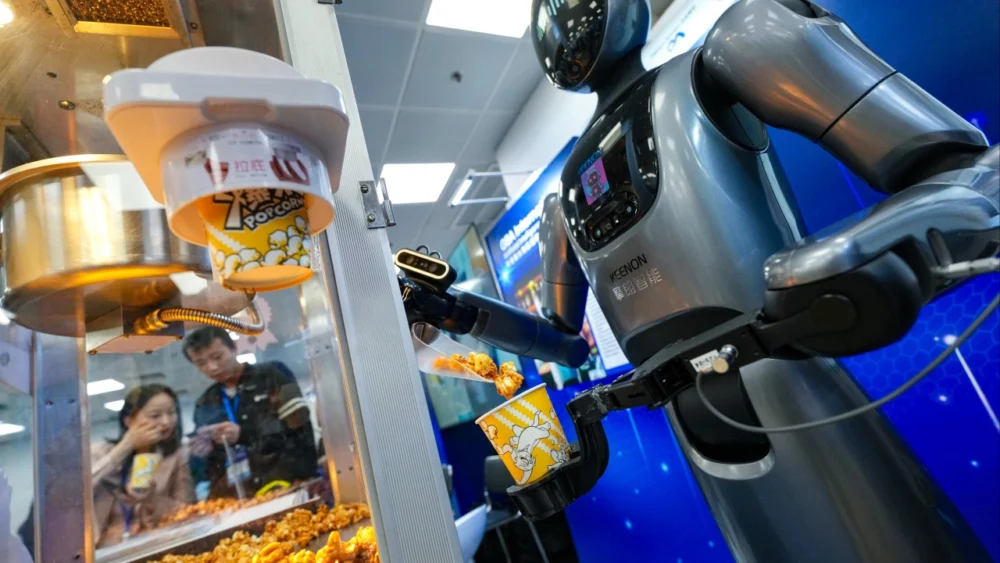
Industries particularly susceptible to the rise of AI are at the forefront of this decline. Sectors heavily reliant on or experiencing rapid transformation through AI technologies, such as information technology and programming, customer service, and administrative or clerical roles, are reporting a marked decrease in job openings. This suggests a direct correlation between AI adoption and the reduced demand for human labour in certain functions. As AI systems become more sophisticated in handling tasks previously performed by humans, companies may be re-evaluating their staffing needs, opting for automation or consolidating roles.
This phenomenon is not unique to Hong Kong. Globally, discussions around AI’s impact on employment have intensified. Reports from international labour organisations have indicated similar trends in other developed economies, where automation and AI are reshaping traditional job roles. The World Economic Forum, for instance, has consistently highlighted the dual nature of AI’s impact: while it creates new roles and industries, it also displaces workers in others, necessitating a significant focus on reskilling and upskilling the workforce.
The Growing Cohort of Graduates
Compounding the challenge of fewer vacancies is the steady output of graduates from Hong Kong’s higher education institutions. For the 2024-25 academic year, the eight publicly funded universities are projected to produce a total of 29,676 graduates. A substantial portion of these, nearly 75 per cent, equivalent to 22,255 students, will be awarded undergraduate degrees, representing the primary demographic directly competing for these diminishing entry-level positions.
To provide context, the total number of graduates during the 2020-21 academic year, a period largely defined by the disruptions of the Covid-19 pandemic, was slightly lower at 28,861. Of this cohort, 77 per cent, or 22,333 students, were undergraduates. While the overall number of graduates has not seen a dramatic surge, the combination of a slightly larger graduate pool in recent years and a significantly shrinking job market creates a more intense competition for each available position.
Historical Context: From Pandemic Recovery to Economic Slowdown
The current job market downturn follows a period of relative recovery for graduates after the initial shock of the Covid-19 pandemic. In the immediate aftermath of the pandemic, many sectors experienced a rebound in hiring as businesses adapted to new operating models. However, this recovery appears to have been short-lived, overshadowed by more persistent economic headwinds and the transformative effects of AI.
The period of 2021, cited as a benchmark for higher vacancy numbers, coincided with a global economic environment that, while not without its challenges, offered more robust opportunities for new entrants. Since then, factors such as rising inflation, geopolitical uncertainties, and the lingering effects of supply chain disruptions have contributed to a more cautious business sentiment, leading to reduced hiring and investment.
Expert Analysis: A Confluence of Factors
Industry analysts and career experts point to a confluence of factors driving this challenging environment for fresh graduates. Dr. Emily Chan, a labour market economist at the University of Hong Kong, explains, "We are witnessing a perfect storm. On one hand, the global economy is navigating a complex period of adjustment, with many businesses adopting a more conservative approach to expansion and recruitment. On the other hand, the rapid advancement and adoption of AI technologies are fundamentally altering the skill requirements in the job market. Roles that were once entry-level staples are increasingly being augmented or even automated by AI."
She further elaborated, "The data clearly indicates that sectors like customer service and administrative support, which have traditionally absorbed a large number of fresh graduates, are experiencing the most significant reductions in vacancies. This is directly linked to the increased efficiency and capabilities of AI-powered chatbots, automated ticketing systems, and intelligent document processing. For graduates, this means that the traditional pathways into certain careers may no longer be as accessible."
Implications for the Future Workforce
The ramifications of this trend are far-reaching. For the graduating class of 2024-25 and subsequent years, the pressure to adapt and acquire in-demand skills will be immense. The emphasis is shifting from simply possessing a degree to demonstrating proficiency in areas that complement, rather than compete with, AI. This includes skills such as critical thinking, complex problem-solving, creativity, emotional intelligence, and digital literacy, particularly in areas related to AI ethics, data analysis, and human-AI collaboration.
The Hong Kong government and educational institutions are under pressure to respond proactively. While the JIJIS data is a primary source, it represents only a segment of the graduate job market. Comprehensive understanding of the broader employment landscape for all graduates, including those from vocational institutions and private universities, is crucial for effective policy-making.
Reactions and Potential Policy Responses
While no direct official statements were immediately available from the government bodies overseeing education and labour in response to these specific JIJIS figures, previous pronouncements from the Labour and Welfare Bureau and the Education Bureau have acknowledged the evolving nature of the job market. These bodies have, in the past, emphasized the importance of lifelong learning and continuous skills development.
It is anticipated that the current data will further fuel discussions around curriculum reform in universities, encouraging a greater focus on STEM fields, digital skills, and interdisciplinary studies that bridge technical expertise with human-centric competencies. Furthermore, there may be an increased push for government-supported internship programs, career counselling services, and initiatives aimed at fostering entrepreneurship and innovation to create new employment avenues.
The Hong Kong Federation of Education Workers, a representative body for educators, has previously called for closer collaboration between academia and industry to ensure that graduates are equipped with the skills that align with future market demands. A spokesperson for the federation might comment on the need for universities to be more agile in adapting their programs to reflect the rapid technological advancements and economic shifts.
Navigating the New Reality
For graduates, the current climate necessitates a strategic and adaptable approach to career planning. This includes:
- Proactive Skill Development: Identifying and acquiring skills that are complementary to AI, such as data analytics, AI project management, cybersecurity, and creative problem-solving.
- Networking and Mentorship: Building professional connections and seeking guidance from experienced individuals in their desired fields.
- Exploring Emerging Sectors: Investigating growth areas that may be less impacted by automation or are directly related to the development and implementation of new technologies.
- Considering Further Education or Vocational Training: Pursuing postgraduate studies or specialized vocational courses to enhance their marketability and acquire niche expertise.
- Embracing a Growth Mindset: Remaining open to learning new skills and adapting to evolving job roles throughout their careers.
The current employment outlook for Hong Kong’s fresh graduates is undeniably challenging, marked by a significant reduction in job vacancies across numerous sectors. The dual forces of AI integration and economic slowdown are reshaping the entry-level job market, demanding a recalibration of expectations and a proactive approach to skill development and career navigation from the newest entrants into the workforce. The long-term implications will depend on the ability of educational institutions, government bodies, and graduates themselves to adapt to this rapidly transforming economic and technological landscape.