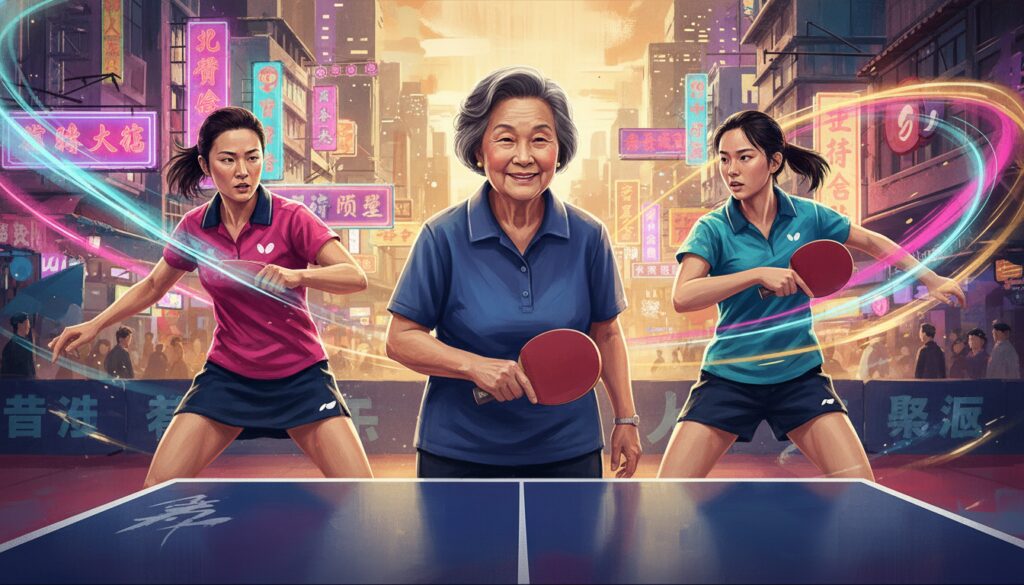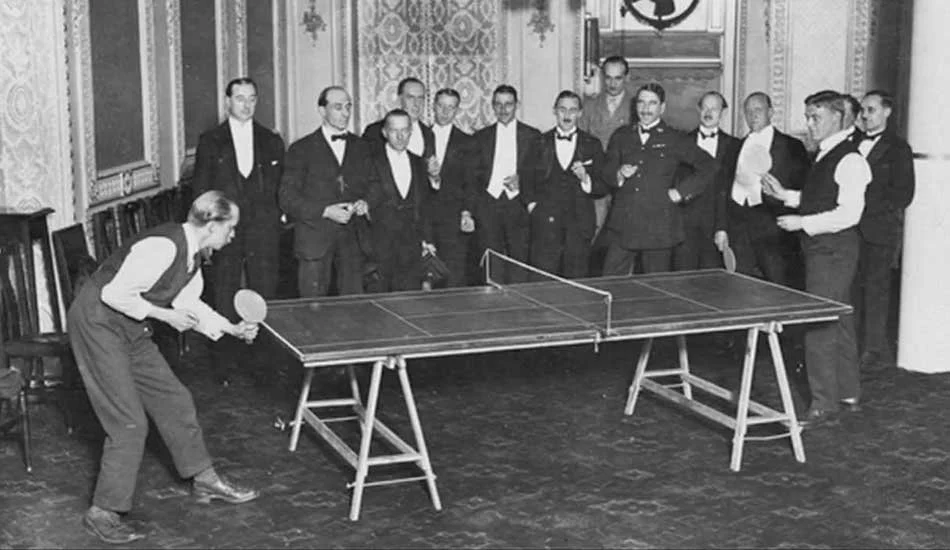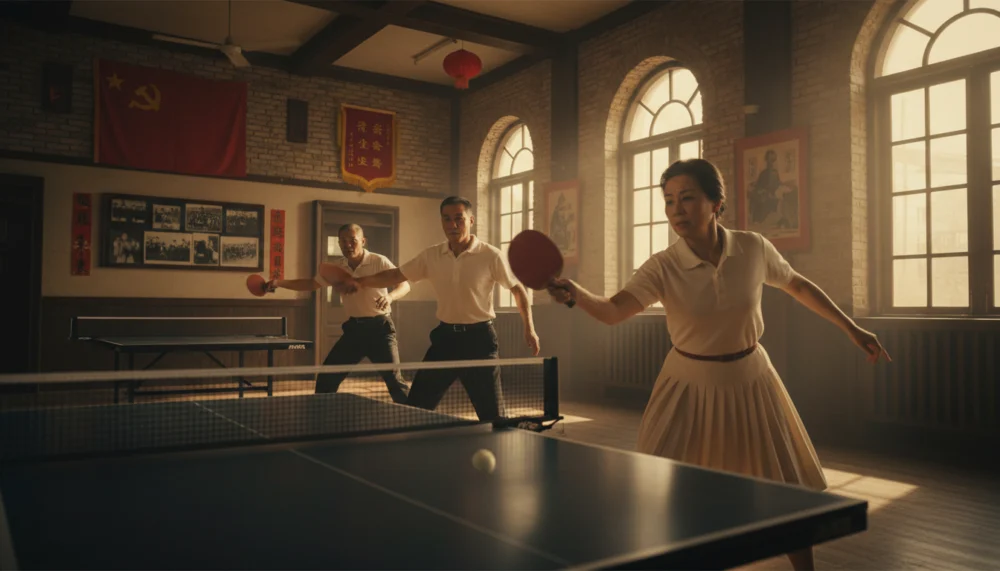
Table tennis, often referred to as ping pong, has a storied history in Hong Kong that stretches back over a century. The sport’s journey from a casual pastime to a professional powerhouse is marked by the dedication of early pioneers who laid the groundwork for future generations.
The initial introduction of the sport to the territory occurred during the early 1900s, primarily through social clubs and educational institutions. These venues provided the first platforms for competitive play, fostering a unique local style that would eventually gain international acclaim.
The Formative Years and Local Clubs
During the 1920s and 1930s, the South China Athletic Association (SCAA) played a pivotal role in promoting table tennis. As one of the most influential sports organizations in the region, the SCAA organized regular tournaments that attracted the best local talent of the era.
The 1930s and 40s: Planting the Seeds
In the pre-war period, table tennis was characterized by a fast-paced, aggressive style. Pioneers of this era focused on perfecting the penhold grip, a technique that remains synonymous with many Asian players today. This period saw the emergence of players who would later become mentors to the post-war stars.
Despite the disruptions caused by the Second World War, the passion for the sport remained. Once peace was restored, the community quickly mobilized to rebuild the infrastructure and resume competitive play, setting the stage for a golden era.
Post-War Revival and International Recognition
The 1950s represented a turning point for Hong Kong table tennis. It was during this decade that local players began to make their mark on the international stage, participating in regional championships and demonstrating the high level of skill fostered in the city.
Fu Chi-fong: The Mastermind
One of the most significant figures in the history of the sport is Fu Chi-fong. Originally from Shanghai but making a profound impact in Hong Kong, Fu was not only an exceptional player but also a visionary coach. His tactical brilliance and emphasis on footwork transformed how the game was played in the region.
Fu’s influence extended beyond his own play; he was instrumental in developing training methodologies that prioritized speed and precision. His legacy is still felt in the coaching philosophies of modern Hong Kong table tennis academies.
Jung Kwok-tuen: A Historic Figure
Another legendary name associated with the early development of the sport in Hong Kong is Jung Kwok-tuen. While he later represented mainland China, his early training and competitive success in Hong Kong were crucial to his development as a world champion.
Jung’s victory at the 1959 World Championships was a landmark moment for the entire Chinese-speaking world, and his roots in the Hong Kong competitive scene served as a source of immense pride and inspiration for local athletes.
Women Pioneers in the Sport
The history of Hong Kong table tennis is not complete without acknowledging the contributions of female pioneers. In the mid-20th century, women’s competitions grew in popularity, with players like Li Fu-wing and others showcasing remarkable skill and determination.
These women faced numerous challenges, including limited resources and societal expectations, yet they persevered to establish a strong foundation for the women’s game, which continues to thrive today at the highest levels of international competition.
The Development of the Penhold Grip
Technical innovation was a hallmark of the early Hong Kong pioneers. The refinement of the short-pips rubber and the aggressive close-to-the-table attacking style became signatures of the ‘Hong Kong school’ of play. This approach emphasized quick reflexes and deceptive serves.
Infrastructure and Training Evolution
The establishment of dedicated training centers and the formalization of the Hong Kong Table Tennis Association (HKTTA) provided the necessary structure for the sport to flourish. These institutions ensured that talent was identified early and nurtured through systematic coaching.
Key Tournaments and Global Impact
Hong Kong’s participation in the Asian Table Tennis Championships and later the World Championships solidified its status as a competitive hub. The early pioneers often acted as ambassadors, building bridges with other nations through the ‘ping-pong diplomacy’ that characterized the era.
- 1930s: Rise of local club competitions.
- 1950s: Participation in international championships.
- 1960s: Refinement of the aggressive attacking style.
- 1970s: Formalization of youth development programs.
The dedication of these early athletes and administrators created a culture of excellence. They proved that a small territory could compete with the giants of the sport, a tradition that remains a core part of Hong Kong’s sporting identity.
Transitioning to the Modern Era
As the sport transitioned into the professional era of the late 20th century, the lessons learned from the pioneers remained relevant. The emphasis on discipline, technical mastery, and mental toughness continues to be the bedrock of Hong Kong’s success on the world stage.
Today, as we watch modern stars compete in the Olympics and World Tours, it is essential to remember the trailblazers who played on wooden tables in dimly lit community centers. Their passion turned table tennis into a beloved national sport.
The legacy of the early pioneers of Hong Kong table tennis is not just found in the trophy cabinets, but in the thousands of young players who pick up a paddle every day, inspired by the giants who came before them.