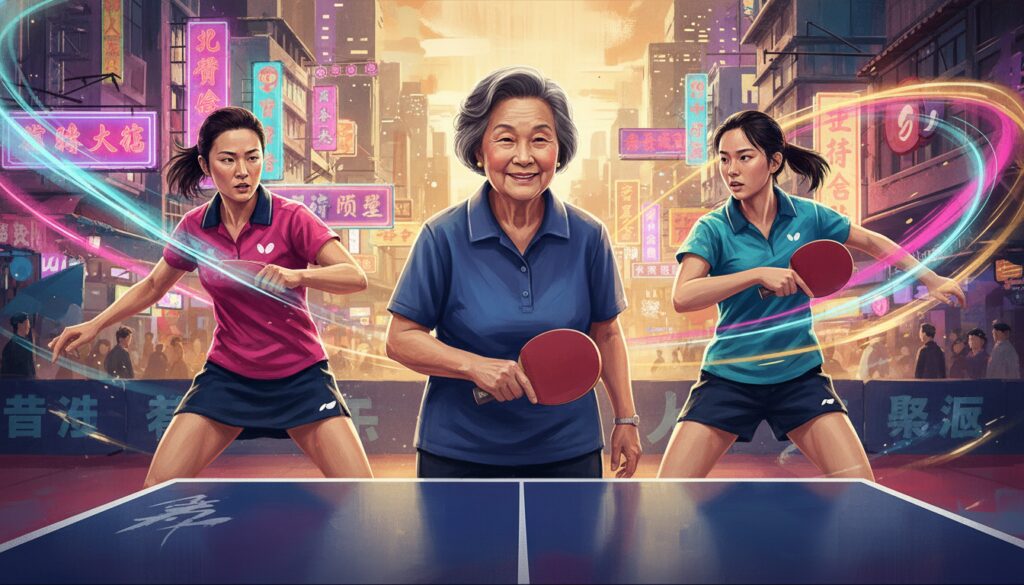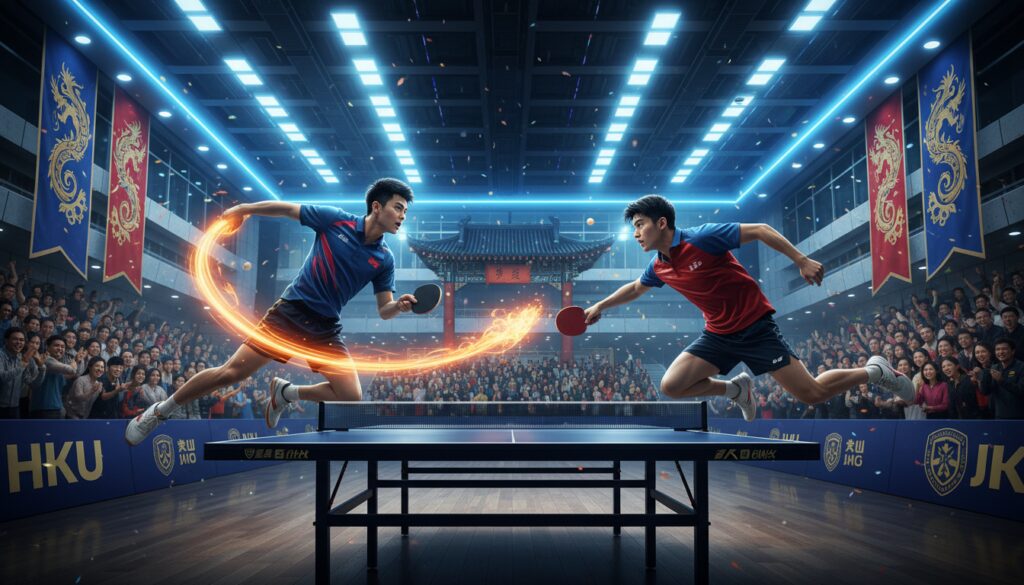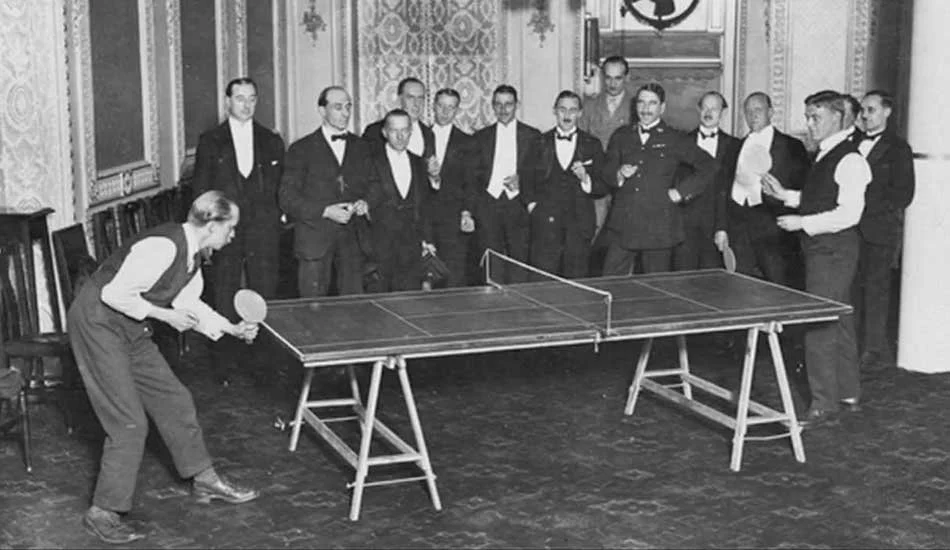
Hong Kong has long been a respected name in the world of table tennis, but recent years have seen a significant breakthrough that has elevated the city to a top-tier contender on the Asian stage. This surge in performance is not merely a stroke of luck but the result of decades of structural investment and tactical refinement.
The Asian table tennis circuit is widely considered the most competitive in the world, dominated historically by giants like China, Japan, and South Korea. For Hong Kong to carve out a space at the podium, it required a complete overhaul of its training philosophy and a focus on nurturing homegrown talent.
The Historic Rise of Hong Kong Table Tennis
The turning point for Hong Kong’s international standing can be traced back to the historic performance at the Tokyo 2020 Olympics. The women’s team, led by a blend of experienced veterans and hungry youngsters, secured a bronze medal that sent shockwaves through the sporting community. This achievement served as a catalyst for increased funding and public interest.
Success at the Olympic level validated the long-term strategies implemented by the Hong Kong Sports Institute (HKSI). It proved that with the right environment, local athletes could compete with and defeat the world’s best, breaking the psychological barrier that had previously hindered performance against elite opponents.
Key Figures: Doo Hoi Kem and Wong Chun Ting
At the heart of this breakthrough are two standout athletes: Doo Hoi Kem and Wong Chun Ting. Doo Hoi Kem has become a symbol of resilience and versatility, excelling in singles, doubles, and mixed doubles. Her ability to maintain a high world ranking has provided the stability the Hong Kong team needed during transitional periods.
Wong Chun Ting, known for his rare and effective penhold grip, has consistently challenged the traditional shakehand dominance. As a top-ranked male player, his success in the ITTF World Tour and Asian Championships has kept Hong Kong relevant in the men’s circuit, inspiring a new generation of players to embrace unique playing styles.
Strategic Coaching and the HKSI Influence
The role of coaching cannot be understated in Hong Kong’s recent success. Under the guidance of head coach Li Ching, himself an Olympic medalist, the team has adopted a more aggressive and modern tactical approach. Li’s firsthand experience at the highest level has been invaluable in preparing athletes for the mental rigors of major tournaments.
The Hong Kong Sports Institute (HKSI) provides a world-class environment where athletes have access to sports science, nutritionists, and video analysis. This data-driven approach allows players to dissect the weaknesses of their opponents, particularly the dominant Chinese players, and develop specific counter-strategies.
The Strategic Focus on Mixed Doubles
Recognizing the immense difficulty of breaking the Chinese monopoly on singles titles, Hong Kong strategically pivoted to excel in mixed doubles. This discipline requires a unique chemistry and tactical coordination that plays to the strengths of Hong Kong’s top athletes.
- Enhanced Coordination: Extensive training camps focusing specifically on pair dynamics.
- Tactical Variety: Utilizing the contrast between Doo’s speed and Wong’s spin.
- Medal Efficiency: Targeting mixed doubles as a high-probability medal event in multi-sport games.
Overcoming the Giants: China and Japan
Competing against China and Japan requires more than just skill; it requires mental fortitude. Hong Kong players have increasingly demonstrated the ability to stay composed during high-stakes matches. Recent victories in the Asian Championships have shown that the gap between Hong Kong and the ‘Big Three’ is narrowing.
Tactically, Hong Kong has moved toward a faster, close-to-the-table game. By taking the ball early and increasing the tempo, they have been able to disrupt the rhythm of power-hitters. This shift has been essential in staying competitive in an era where the speed of the game has increased significantly due to equipment changes.
The Next Generation: Emerging Talents
The sustainability of Hong Kong’s success depends on its youth development. Players like Zhu Chengzhu and Lam Siu-hang have begun to make their mark on the international stage. Their integration into the senior team has been seamless, thanks to the structured pathway provided by the Hong Kong Table Tennis Association.
Grassroots programs and school-level competitions have seen a surge in participation. By identifying talent at a young age and providing them with international exposure early in their careers, Hong Kong is ensuring that the breakthrough of the current generation is not a one-off event but the start of a lasting legacy.
Recent Performance at the Asian Championships
The recent iterations of the Asian Table Tennis Championships have seen Hong Kong consistently bringing home medals. Whether in the team events or individual categories, the presence of the Bauhinia flag on the podium has become a common sight. This consistency has solidified their status as a powerhouse in the region.
In the team events, the depth of the squad has been tested and proven. The ability to field three or four high-level players allows Hong Kong to compete in grueling tournament formats where endurance and tactical flexibility are paramount.
The Impact of International Experience
Many Hong Kong players now participate in professional leagues across Europe and Japan, such as the T.League. This exposure to different playing styles and high-pressure environments has been crucial. It allows them to bring back diverse tactical knowledge to the national training center, enriching the overall quality of the squad.
Future Outlook and Challenges
Looking ahead, the challenge for Hong Kong will be to maintain this momentum as other nations also ramp up their investments. The upcoming Asian Games and the next Olympic cycle will be the true litmus test for the longevity of this breakthrough. However, with a solid foundation and a clear strategic vision, the future looks bright.
The breakthrough of Hong Kong on the Asian table tennis scene is a testament to what can be achieved with a combination of individual talent, expert coaching, and institutional support. As they continue to challenge the traditional hierarchy, they remain an inspiration for smaller sporting nations worldwide.