The 2000s represented a pivotal era for Hong Kong, characterized by a relentless drive for excellence and a dramatic recovery from the economic challenges of the late 1990s. Following the 1997 Asian Financial Crisis and the 2003 SARS outbreak, the city emerged with a renewed sense of urgency, fostering a competitive environment that redefined its global standing. This decade was not merely about survival but about aggressive growth and the consolidation of its status as Asia’s World City.
The Economic Landscape Post-1997 and SARS
The beginning of the millennium was marked by significant volatility. The 1997 handover was followed by a property market crash that left many residents with negative equity. However, the resilience of the Hong Kong people was truly tested during the 2003 SARS epidemic. Once the health crisis subsided, the government and private sector collaborated to jumpstart the economy, leading to a surge in cross-border trade and financial activity.
The Gateway to Mainland China
One of the most significant drivers of the 2000s surge was the implementation of the Closer Economic Partnership Arrangement (CEPA) in 2003. This trade agreement provided Hong Kong businesses with preferential access to the Mainland market, sparking a gold rush among local firms to expand northward. The competition was fierce as companies vied for the first-mover advantage in sectors ranging from logistics to professional services.
The Telecommunications and Digital Revolution
The 2000s saw a massive shift in how Hong Kongers connected with the world. The liberalization of the telecommunications market led to intense price wars and rapid infrastructure development. Companies like PCCW, Hutchison Telecommunications, and CSL competed aggressively for market share, resulting in some of the highest mobile penetration rates in the world.
Broadband and Mobile Dominance
As the decade progressed, the competition moved from voice calls to data. The introduction of 3G technology transformed the mobile landscape, and the race to provide the fastest fiber-optic broadband became a hallmark of the era. Key developments during this period included:
- The widespread adoption of the Octopus card for non-transport retail payments.
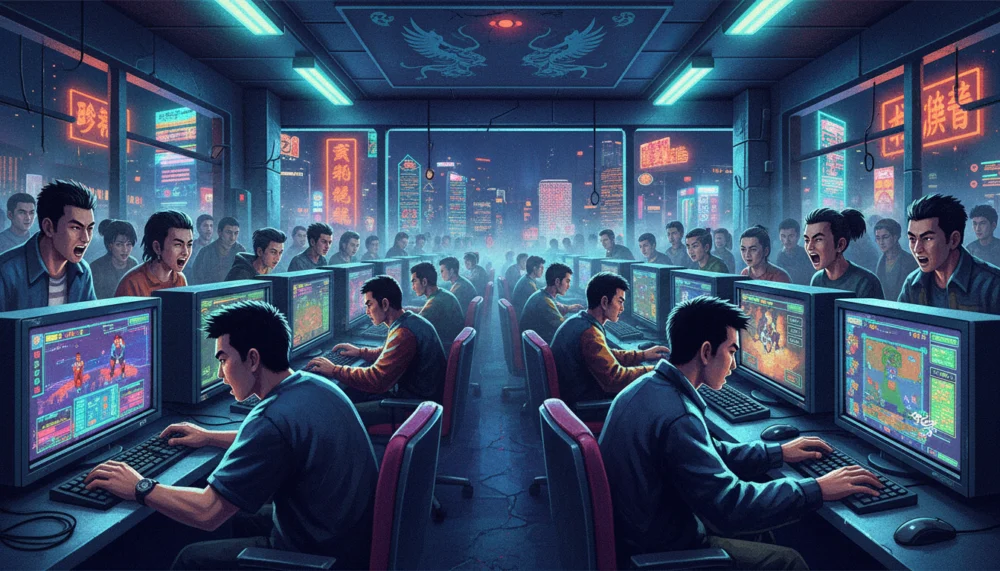
- The rise of internet cafes as hubs for the burgeoning gaming and digital community.
- The transition from traditional media to digital news consumption.
The Real Estate and Construction Boom
Real estate has always been the backbone of Hong Kong’s economy, but the 2000s saw a particular brand of competitive development. Major developers like Sun Hung Kai Properties, Cheung Kong Holdings, and Henderson Land engaged in high-stakes land auctions, pushing the boundaries of luxury residential and commercial architecture.
Redefining the Skyline
The completion of iconic structures such as the International Finance Centre (Two IFC) in 2003 and the start of the International Commerce Centre (ICC) symbolized the city’s upward trajectory. These projects were not just buildings; they were statements of Hong Kong’s competitive might against rising regional rivals like Singapore and Shanghai.
Education and the Workforce: The Professional Arms Race
The competitive surge was perhaps most visible in the labor market. The 2000s saw a massive emphasis on professional qualifications. For many, a bachelor’s degree was no longer sufficient; the pursuit of MBAs, CFAs, and CPAs became a standard requirement for upward mobility in the financial heart of the city.
The Rise of the ‘Tiger Parent’ Culture
This era solidified the reputation of Hong Kong’s education system as one of the most rigorous in the world. Competition for spots in elite primary and secondary schools reached a fever pitch, leading to the growth of a multi-billion dollar private tutoring industry. The focus was on creating a workforce that could thrive in a globalized, high-pressure environment.
Retail Transformation and the Individual Visit Scheme
The introduction of the Individual Visit Scheme (IVS) in 2003 fundamentally altered the retail landscape. Competition for prime retail space in districts like Causeway Bay and Tsim Sha Tsui intensified as international luxury brands rushed to cater to the influx of Mainland tourists.
- Rents in prime shopping districts became some of the highest globally.
- Local businesses had to innovate or pivot to survive the rising overhead costs.
- The shift toward service-oriented competition became a necessity for the hospitality sector.
The Financial Hub: IPOs and Global Capital
During the mid-to-late 2000s, Hong Kong became the world’s leading destination for Initial Public Offerings (IPOs). The competition among investment banks to lead-manage these massive listings—particularly those of Mainland state-owned enterprises—was legendary. This period cemented the city’s role as the primary offshore capital raising center for China.
Resilience Through the Global Financial Crisis
Even as the 2008 Global Financial Crisis struck, Hong Kong’s competitive framework and robust regulatory environment allowed it to weather the storm better than many Western counterparts. The city’s ability to bounce back quickly further proved the strength of the competitive structures built throughout the decade.
Conclusion: A Legacy of Agility
Looking back, the 2000s in Hong Kong were defined by a unique blend of anxiety and ambition. The competitive surge of that decade transformed the city into a leaner, more technologically advanced, and more integrated global hub. While the intensity of the era was demanding, it forged a legacy of agility and excellence that continues to define Hong Kong’s professional and economic identity today.
The lessons learned during this period—the importance of diversification, the need for technological adoption, and the value of human capital—remain highly relevant as the city navigates the complexities of the 21st century.