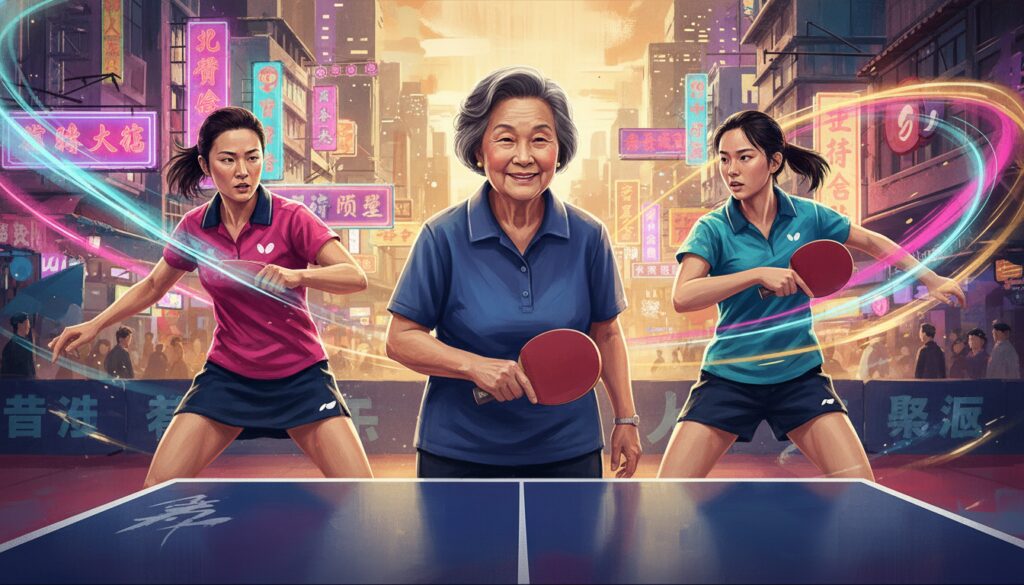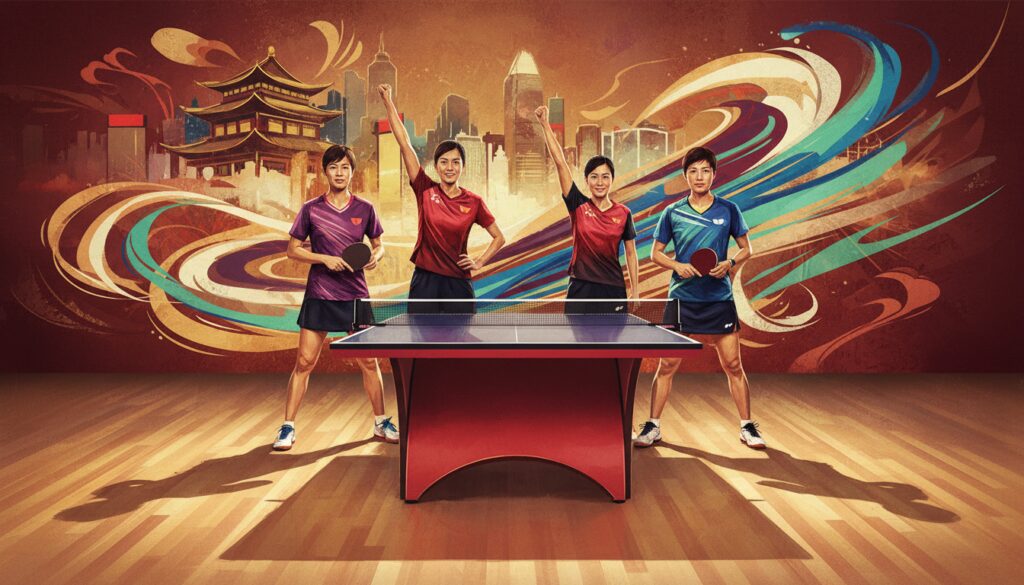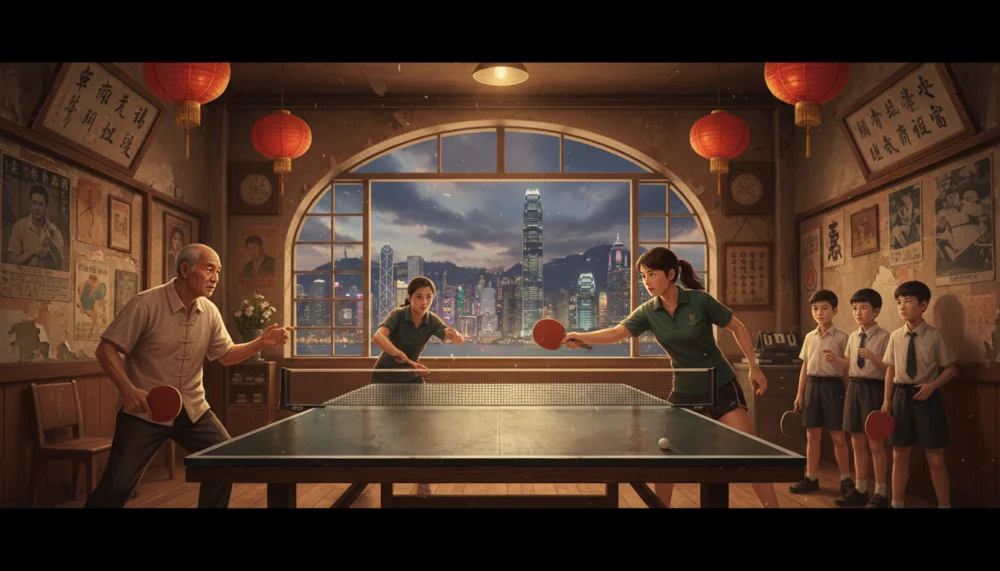
Table tennis is more than just a sport in Hong Kong; it is a cultural phenomenon that has bonded generations together. From the humidity-soaked alleys of the mid-20th century to the state-of-the-art facilities of today, the city’s historic clubs have been the silent witnesses to this evolution. These institutions have not only produced world-class athletes but have also served as vital social hubs for the community.
The Deep-Rooted History of Ping Pong in the Territory
The popularity of table tennis in Hong Kong began to surge in the post-war era. As a sport that required minimal space compared to football or cricket, it was perfectly suited for the city’s dense urban environment. Historic clubs began to sprout in repurposed warehouses and community centers, providing a sanctuary for both competitive athletes and casual hobbyists seeking a community-driven atmosphere.
South China Athletic Association (SCAA) – The Crown Jewel
Founded in 1910, the South China Athletic Association (SCAA) in Causeway Bay stands as one of the most prestigious sports institutions in the region. Its table tennis section has a storied history of excellence, having fostered some of the most recognizable names in the sport. The club’s facilities have undergone numerous renovations, yet they retain an air of historical significance that inspires every player who steps onto the floor.
Training Champions at SCAA
The SCAA has always been at the forefront of professional training. By implementing rigorous coaching programs and hosting international tournaments, the club helped put Hong Kong on the global table tennis map. Many local legends began their journey here, practicing for hours under the watchful eyes of veteran coaches who emphasized discipline, speed, and precision.
The Hong Kong Table Tennis Association (HKTTA) Influence
While not a single ‘club’ in the traditional sense, the HKTTA has been the governing body that unified various local clubs since its inception in 1936. By organizing leagues and inter-club competitions, it created a network of historic venues across Kowloon and Hong Kong Island. This structured environment allowed small neighborhood clubs to compete against larger institutions, fostering a healthy spirit of rivalry.
Traditional Neighborhood Clubs of Kowloon
In the heart of Kowloon, specifically in districts like Mong Kok and Sham Shui Po, smaller historic clubs thrived during the 1960s and 70s. These venues were often located in ‘tong lau’ (tenement buildings), where the sound of the ball hitting the table would echo through the stairwells. These spots were the breeding grounds for the ‘street style’ of play that many older residents still cherish today.
The Atmosphere of Local Ping Pong Halls
Walking into an old-school Kowloon ping pong hall is like stepping back in time. The smell of rubber glue, the sight of worn wooden tables, and the intense focus of the players create a unique sensory experience. These clubs often featured:
- Vintage butterfly-brand tables
- Fluorescent lighting that cast a nostalgic glow
- Handwritten scoreboards that tracked local rankings
Historic Venues on Hong Kong Island
Across the harbor, districts like Wan Chai and Central hosted clubs that catered to a mix of expatriates and local professionals. These clubs often had a more formal setting but were no less passionate about the game. They played a crucial role in integrating the sport into the broader social fabric of the city’s business elite.
The Social Aspect of Historic Clubs
For many members, these clubs were as much about networking and friendship as they were about the sport. After-match gatherings at local dai pai dongs were common, where strategies were discussed over cups of milk tea. This social glue is what has allowed many of these historic institutions to survive despite rising property costs and changing urban landscapes.
Evolution of Equipment and Technique
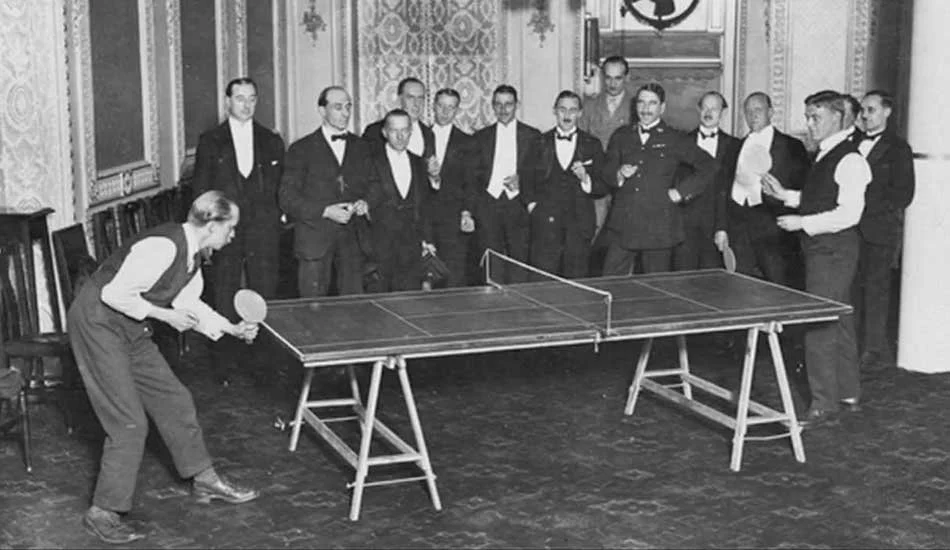
The history of these clubs also tracks the technological evolution of the sport. Older members often recall the transition from simple wooden bats to the sophisticated sponge and rubber combinations used today. Historic clubs have had to adapt their facilities to accommodate the faster pace of the modern game while still honoring the traditional techniques of the past.
Preserving the Heritage in a Modern Era
As Hong Kong continues to modernize, many historic table tennis clubs face the challenge of preservation. High rents and the lure of modern, air-conditioned sports centers have led to the closure of several iconic venues. However, a renewed interest in heritage and ‘retro’ sports culture has sparked efforts to protect these remaining institutions.
Visiting These Clubs Today
For enthusiasts looking to experience the history of the sport, several clubs still offer guest memberships or walk-in sessions. Visiting these places provides a rare glimpse into the cultural heritage of Hong Kong sports. It is highly recommended to:
- Check for historical memorabilia on the walls
- Engage with senior members who have decades of stories
- Appreciate the unique architectural quirks of older venues
Table Tennis as a Cultural Pillar
The enduring legacy of these clubs proves that table tennis is deeply embedded in the identity of Hong Kong. It represents the city’s resilience, its ability to thrive in confined spaces, and its commitment to excellence. Whether it is a prestigious hall in Causeway Bay or a humble room in Sham Shui Po, these clubs remain the heartbeat of the sport.
Conclusion: The Future of the Paddle
As we look to the future, the historic table tennis clubs of Hong Kong continue to serve as a bridge between the past and the present. By supporting these institutions, the community ensures that the spirit of the game—and the history of the city—remains alive for future generations of players to enjoy.