The Evolution of Women’s Table Tennis in Hong Kong
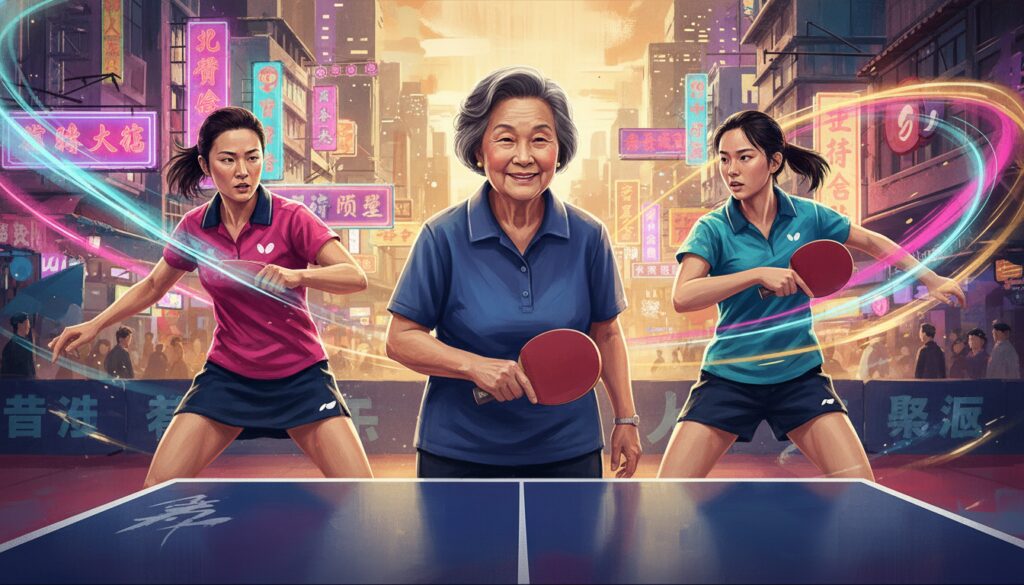
The landscape of women’s competitive table tennis in Hong Kong has undergone a radical transformation over the last decade. Once viewed primarily as a recreational pastime, the sport has evolved into a professional discipline that produces world-class athletes capable of competing on the grandest stages, including the Olympic Games and World Championships.
This growth is characterized by a significant increase in female participation at the grassroots level, a more structured professional pathway, and a surge in public interest following high-profile international successes.
Impact of the Tokyo 2020 Olympic Success
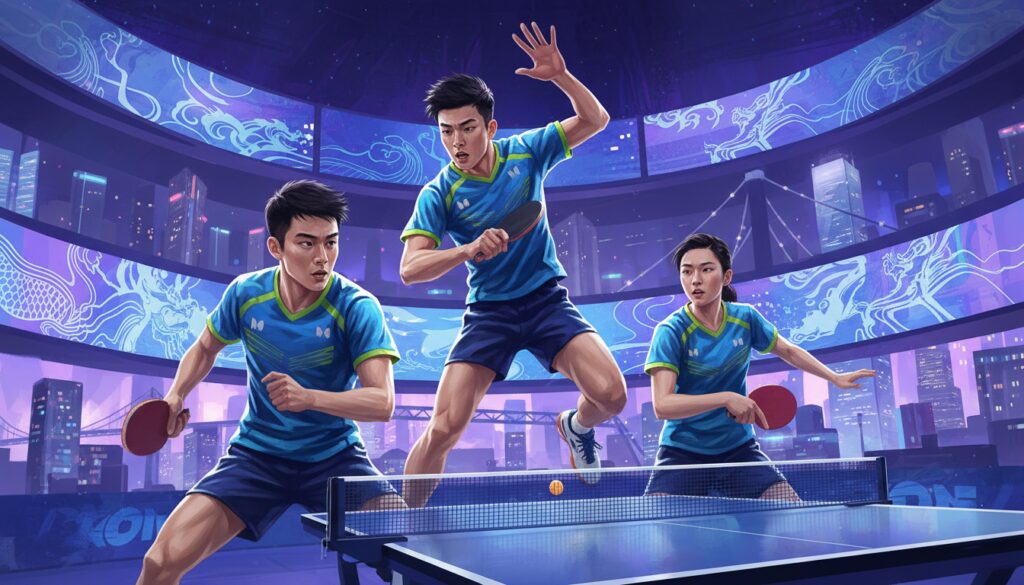
The defining moment for the sport came during the Tokyo 2020 Olympics, where the Hong Kong women’s team secured a historic bronze medal. This achievement served as a powerful catalyst, inspiring a new generation of young girls to take up the sport seriously.
The visibility of athletes like Doo Hoi-kem, Lee Ho-ching, and Minnie Soo Wai-yam provided relatable role models for local youth, proving that homegrown talent could succeed against the world’s best.
The Role of the Hong Kong Table Tennis Association (HKTTA)
Central to this development is the Hong Kong Table Tennis Association (HKTTA). The organization has implemented several strategic initiatives aimed at identifying and nurturing talent from a young age through the Hang Seng Table Tennis Academy.
- Structured youth training tiers.
- Regular regional and territory-wide competitions.
- International exchange programs for elite prospects.
Infrastructure and Training Facilities
The Hong Kong Sports Institute (HKSI) provides the backbone for elite training. With state-of-the-art facilities and a multidisciplinary approach involving sports science, psychology, and nutrition, female athletes receive the holistic support necessary for peak performance.
The integration of technology, such as high-speed cameras and performance analysis software, has allowed coaches to refine the technical nuances of players’ games, narrowing the gap with traditional powerhouses.
Grassroots Development and School Integration
The growth of the sport is deeply rooted in the school system. Inter-school competitions are highly competitive, often serving as the first scouting ground for the national youth squads.
By fostering a culture of table tennis within primary and secondary schools, Hong Kong ensures a steady pipeline of talent entering the competitive circuit each year.
Professionalization and Financial Support
The transition from amateur to professional status has been eased by increased financial support from both the government and private sponsors. Athletes are now able to pursue table tennis as a full-time career, which was a rarity in previous decades.
Sponsorship deals with major athletic brands and local corporations have provided the necessary funding for athletes to travel for international tournaments, gaining crucial ranking points and experience.
The Importance of Local Competitions
Domestic leagues and open championships play a vital role in maintaining the competitive edge of local players. These events provide a platform for up-and-coming athletes to challenge established national team members.
Challenges in the Competitive Landscape
Despite the upward trajectory, the sport faces challenges, most notably the intense academic pressure faced by students in Hong Kong. Balancing rigorous training schedules with educational demands remains a significant hurdle for many young female players.
Furthermore, the high cost of living and limited space for facilities in the city present logistical obstacles that require creative solutions from sporting bodies.
The Future of Women’s Table Tennis in Hong Kong
Looking ahead, the focus remains on sustainability. Ensuring that the current success is not a one-off event requires continued investment in coaching education and the expansion of community-based programs.
With a strong foundation and a clear strategic vision, Hong Kong is poised to remain a dominant force in women’s table tennis for years to come.
Conclusion
In conclusion, the rise of women’s competitive table tennis in Hong Kong is a testament to the dedication of the athletes, the vision of the sporting bodies, and the unwavering support of the public. As the sport continues to grow, it serves as a beacon of excellence for the city’s entire sporting community.