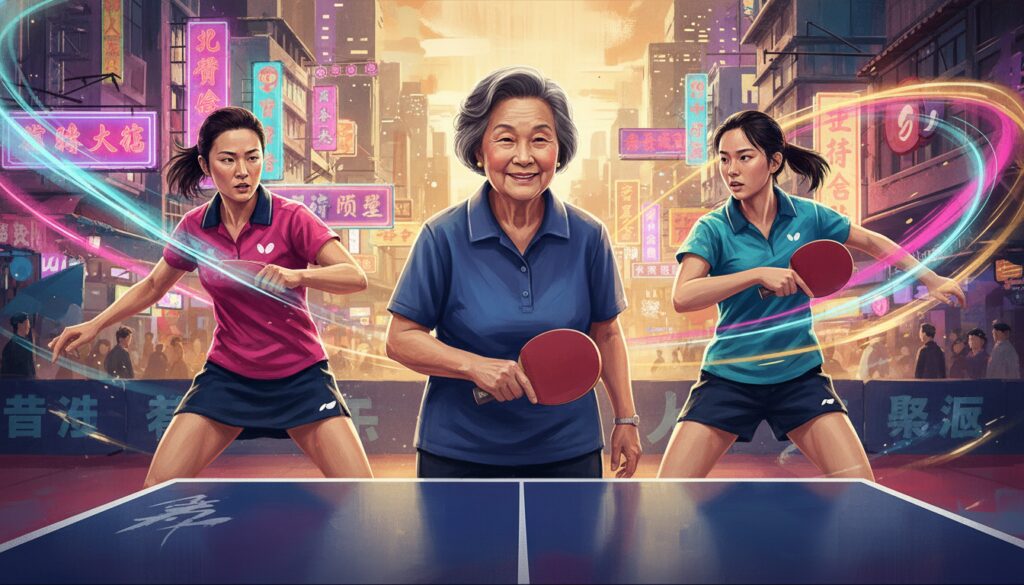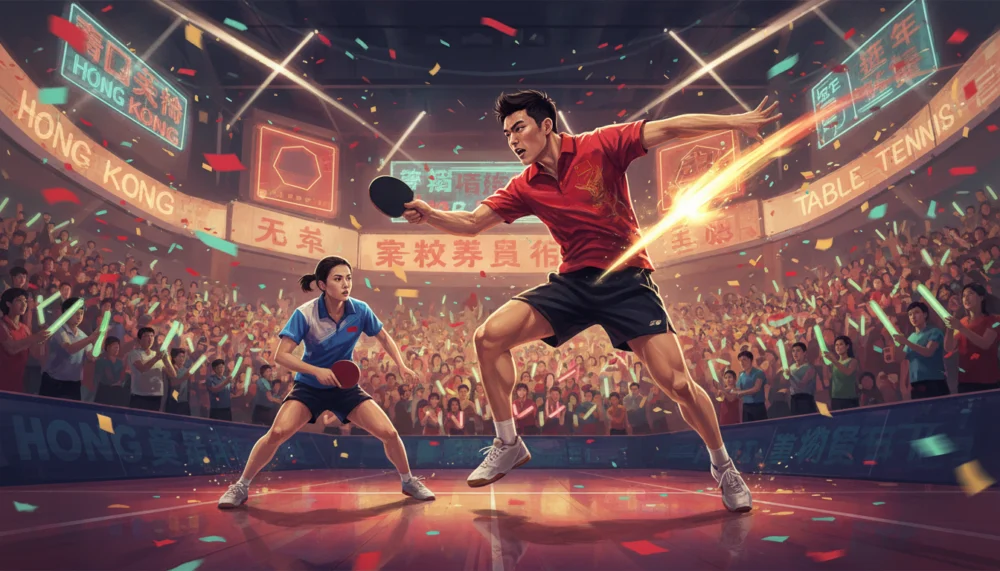
Hong Kong has long been a powerhouse in the world of table tennis, known not just for technical prowess but for an indomitable spirit. Over the decades, the city’s athletes have faced daunting deficits on the world stage, only to claw their way back to victory. These legendary comebacks have defined the sport’s local legacy and inspired generations of young paddlers.
The 2004 Athens Olympics: A Silver Lining
The 2004 Athens Olympics remain a cornerstone of Hong Kong’s sporting history. The men’s doubles pair of Li Ching and Ko Lai Chak entered the tournament as underdogs compared to the dominant mainland Chinese and European teams. Their journey to the silver medal was characterized by several high-pressure moments where they had to recover from mid-match slumps.
In the quarter-finals and semi-finals, Li and Ko displayed a remarkable ability to adjust their tactics under fire. When their traditional fast-attack style was countered, they shifted to a more patient, spin-heavy game that disrupted their opponents’ rhythm. This flexibility was the key to their historic podium finish, the first Olympic medal for Hong Kong since the 1996 handover.
The Psychological Edge of the Duo
What made Li and Ko’s comeback efforts so effective was their mental synchronization. Having trained together for years, they could sense each other’s frustrations and provide the necessary tactical corrections without a word. This ‘silent communication’ allowed them to stay calm even when trailing by several points in the deciding sets.
Tokyo 2020: The Women’s Team Bronze Medal Drama
Fast forward to the Tokyo 2020 Olympics, and the narrative shifted to the women’s team. The trio of Doo Hoi Kem, Lee Ho Ching, and Minnie Soo Wai Yam faced a monumental challenge in the bronze medal match against a highly-rated German squad. After a disappointing loss in the semi-finals, the team had to mentally reset and prepare for a grueling encounter.
The match against Germany started with significant pressure. Hong Kong found themselves in a precarious position early on, but the resilience of the players was palpable. Minnie Soo, in particular, delivered a performance of a lifetime, defeating higher-ranked opponents to swing the momentum back in Hong Kong’s favor.
Minnie Soo’s Tactical Masterclass
Soo’s victory was a classic example of a ‘match within a match’ comeback. After losing the opening exchanges, she identified a weakness in her opponent’s backhand transition. By relentlessly targeting that zone and varying the pace of her blocks, she overturned the deficit and secured a crucial point that paved the way for the team’s 3-1 overall victory.
Wong Chun Ting: The King of Individual Resilience
In the men’s singles category, Wong Chun Ting has become synonymous with the fighting spirit of Hong Kong. As a practitioner of the traditional penhold grip, Wong often faces a disadvantage against modern shakehand power hitters. However, his career is marked by numerous matches where he recovered from 0-2 or 1-3 deficits in best-of-seven series.
One of his most notable comebacks occurred during the ITTF World Tour, where he faced top-tier Japanese players. By utilizing his unique ‘reverse penhold backhand,’ Wong was able to surprise opponents who thought they had the match won, proving that technical innovation is just as important as mental toughness.
The Role of the Hong Kong Sports Institute
The ability to perform under pressure and stage comebacks is not accidental; it is the result of rigorous scientific training at the Hong Kong Sports Institute (HKSI). The institute provides athletes with access to sports psychologists who specialize in high-stakes performance management.
- Scenario-Based Training: Coaches often create practice drills where players start with a point deficit to simulate real-match pressure.
- Video Analysis: Detailed reviews of past matches help players identify the exact moment a lead was lost and how to prevent it.
- Physical Conditioning: Ensuring players have the stamina to maintain peak performance into the fifth or seventh set.
Strategic Timeouts as a Catalyst
In table tennis, the one-minute timeout is a critical tool for a comeback. Hong Kong coaches are renowned for their timing, often calling for a break just as the opponent gains momentum. This brief interval allows the player to breathe, hydrate, and receive a specific tactical adjustment that can change the course of the game.
The Impact on Youth Development
The legendary comebacks of the past serve as a blueprint for the next generation of Hong Kong athletes. Young players at the junior levels are taught that no lead is insurmountable. This cultural shift has led to a surge in talent, with teenagers now regularly upsetting veteran players in local and regional circuits.
Building a Legacy of Grit
The legacy of Hong Kong table tennis is built on grit. Whether it is the doubles mastery of the early 2000s or the team synergy of the 2020s, the common thread is the refusal to give up. As the sport continues to evolve with faster balls and different rubber technologies, this core value of resilience remains constant.
Memorable Asian Games Encounters
The Asian Games have also provided a stage for dramatic Hong Kong recoveries. Facing giants like China, Japan, and South Korea, Hong Kong teams have often found themselves against the wall. However, the unique ‘Lion Rock’ spirit often prevails, leading to unexpected podium finishes and thrilling victories that captivate the local population.
In conclusion, the history of Hong Kong table tennis is a testament to the power of the comeback. From the tactical brilliance of Li Ching to the modern heroics of Doo Hoi Kem, these athletes have shown that with the right mindset and preparation, any deficit can be overcome. Their stories continue to inspire, ensuring that the city remains a formidable force in the international arena.