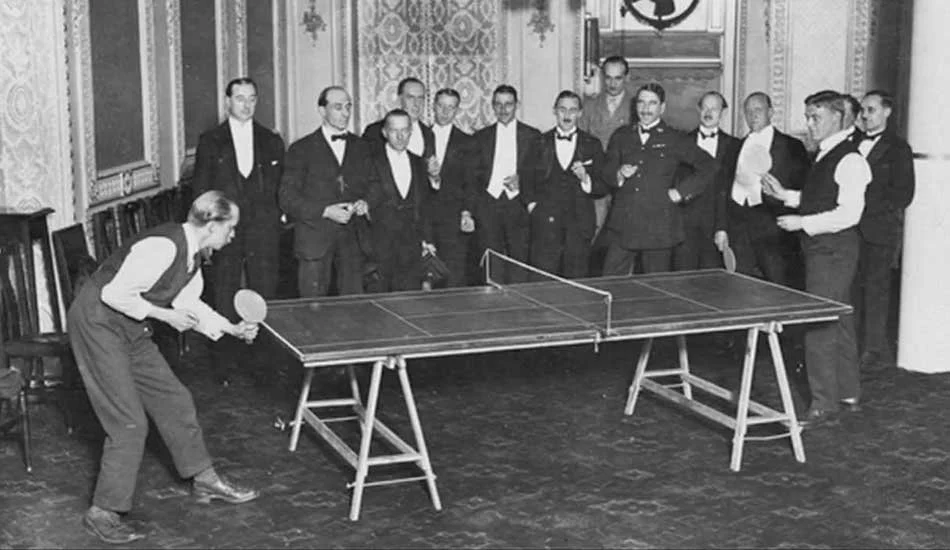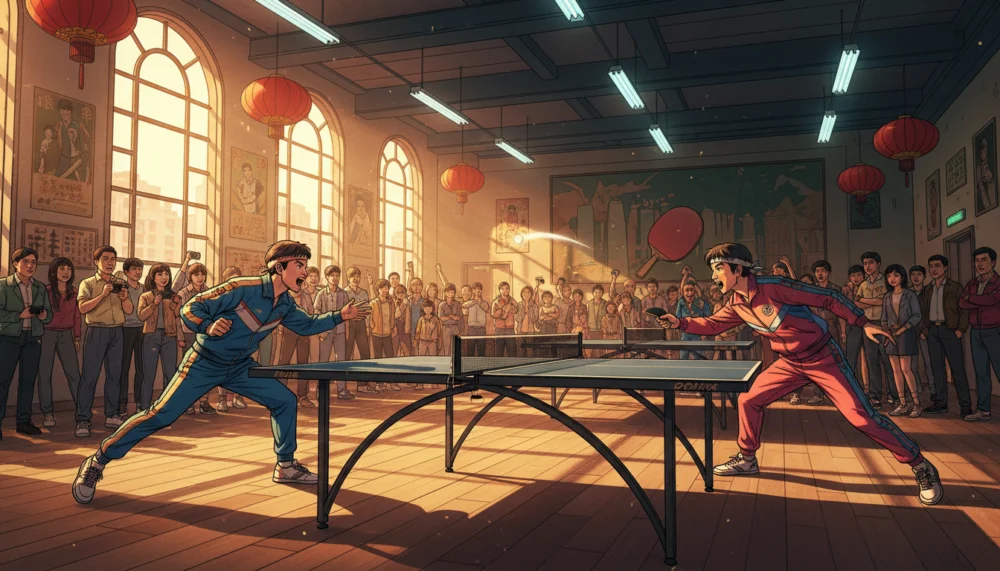
The 1990s represented a pivotal moment in the history of Hong Kong sports, particularly within the realm of table tennis. During this decade, the territory transitioned from a regional competitor to a formidable international powerhouse, laying the groundwork for future Olympic successes. The legacy of this era is defined by technical innovation, the rise of iconic athletes, and a significant shift toward professionalized training environments.
The Emergence of Professionalism in the 1990s
Before the 1990s, table tennis in Hong Kong was largely seen as a popular recreational pastime. However, the dawn of the decade saw a concerted effort to professionalize the sport. This shift was largely driven by increased government funding and a more structured approach to athlete development, ensuring that local players could compete with the world’s best on equal footing.
The Role of the Hong Kong Sports Institute
The Hong Kong Sports Institute (HKSI) became the heartbeat of this professional movement. By providing world-class facilities, sports science support, and dedicated coaching, the HKSI allowed athletes to focus entirely on their craft. This centralized training model was essential in refining the skills of the ‘Golden Generation’ that would dominate the decade.
Iconic Players and the ‘Twin Towers’
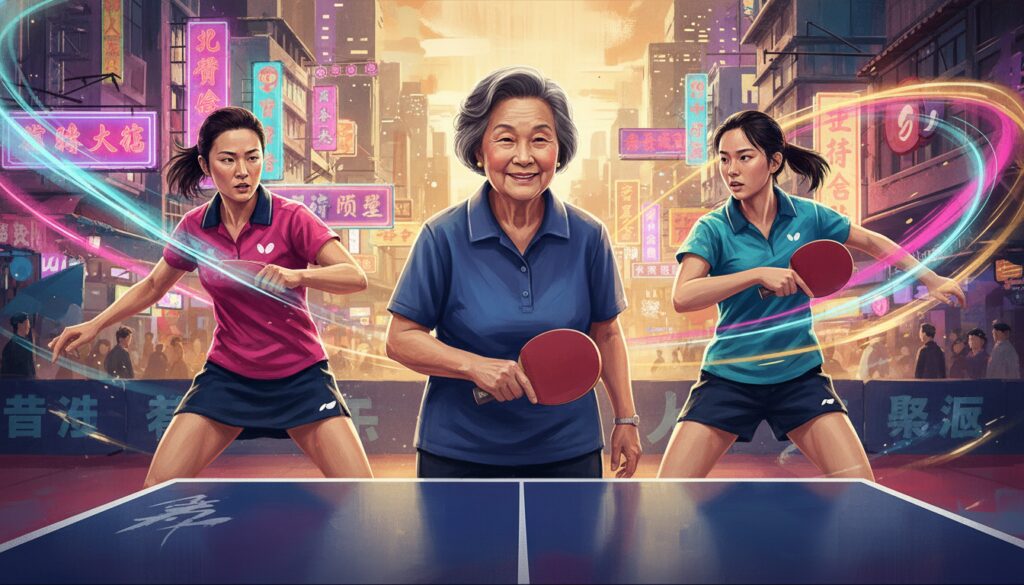
No discussion of 1990s Hong Kong pingpong is complete without mentioning the legendary duo of Chai Po Wa and Chan Tan Lui. Often referred to as the ‘Twin Towers’ of Hong Kong table tennis, they were the faces of the sport during its most competitive years. Their partnership in women’s doubles brought unprecedented glory to the territory.
Achievements on the World Stage
Throughout the early and mid-90s, Chai and Chan were consistent medalists in international competitions. Their achievements include:
- Winning bronze medals in women’s doubles at the 1991 and 1993 World Table Tennis Championships.
- Securing high rankings in the ITTF world standings, often challenging the dominance of mainland Chinese players.
- Representing Hong Kong with distinction at the 1992 Barcelona and 1996 Atlanta Olympic Games.
Strategic Evolution and Playing Styles
The 1990s was a period of intense tactical experimentation. Hong Kong players were known for their unique blend of traditional Chinese techniques and modern Western strategies. This era saw the continued relevance of the penhold grip, even as the shakehand grip began to gain global popularity due to its versatility in backhand exchanges.
Innovation in Equipment and Technique
During this time, the use of specialized rubbers and faster blades became more prevalent. Hong Kong coaches emphasized speed and aggressive close-to-the-table play, a hallmark of the region’s style. The ability to adapt to the changing speed of the game allowed Hong Kong athletes to remain competitive against physically larger European opponents.
The Impact of the 1997 Handover
The 1997 handover of Hong Kong to China brought about a unique set of circumstances for the sporting world. While there were concerns about the future of Hong Kong’s independent sporting identity, the ‘One Country, Two Systems’ framework allowed the Hong Kong Table Tennis Association to maintain its separate membership in the ITTF and the International Olympic Committee.
Maintaining a Separate Sporting Identity
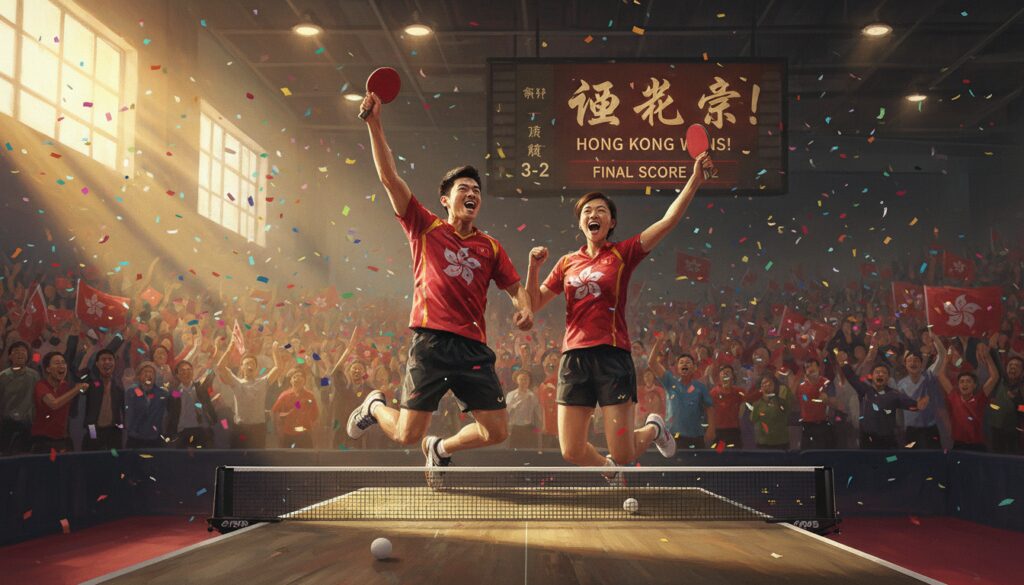
This autonomy was crucial. It meant that Hong Kong could continue to field its own teams in the World Championships and the Olympics. The late 90s saw a surge in local pride as athletes continued to compete under the Hong Kong flag, reinforcing the city’s distinct cultural and sporting heritage during a time of significant political transition.
Grassroots Growth and Public Interest
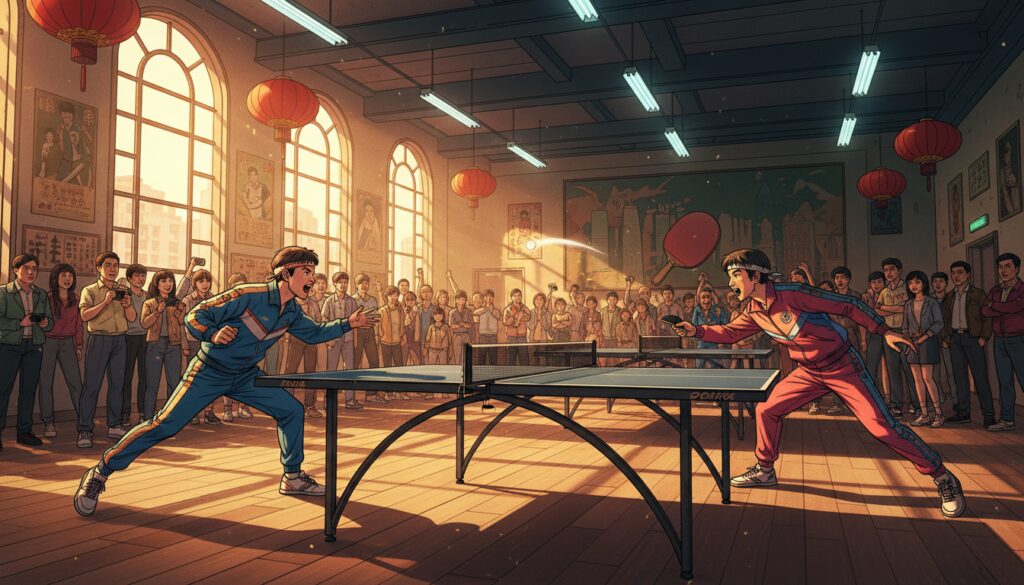
The international success of stars like Chai Po Wa sparked a massive surge in public interest. Table tennis tables in public housing estates and community centers were constantly occupied, and youth development programs saw record enrollment numbers. This grassroots movement ensured a steady pipeline of talent for the decades to follow.
The Rise of Youth Academies
In the mid-to-late 90s, several specialized table tennis academies were established. These institutions focused on identifying talent at a young age, mirroring the successful training structures found in mainland China while maintaining a uniquely Hong Kong educational balance.
International Milestones of the Decade
Beyond individual accolades, the 1990s saw Hong Kong consistently placing in the top tiers of team competitions. The men’s team, featuring players like Lo Chuen Tsung, also made significant strides, proving that Hong Kong’s depth of talent extended across both genders.
The 1995 World Championships in Tianjin
The 1995 World Championships were particularly notable for Hong Kong. The team’s performance served as a statement of intent, proving that they were not just participants but genuine contenders for the podium. The tactical discipline shown during this tournament is still studied by local coaches today.
The Legacy of Coaching Excellence
Much of the success in the 90s can be attributed to the influx of experienced coaches from mainland China. These coaches brought with them rigorous training methodologies and a deep understanding of the psychological aspects of the game. The synthesis of mainland expertise and Hong Kong’s professional infrastructure created a winning formula.
Mentorship and the Next Generation
The players of the 90s did not simply retire; many transitioned into coaching and administrative roles. This transition ensured that the knowledge gained during the golden era was passed down to the players who would eventually win Olympic medals in 2004 and 2021.
Conclusion: A Foundation for the Future
The legacy of 1990s Hong Kong pingpong is one of resilience, transformation, and excellence. It was the decade that proved Hong Kong could produce world-class athletes capable of standing on the global podium. The structures, styles, and stars of the 90s remain the bedrock upon which the current success of Hong Kong table tennis is built.
Today, as Hong Kong continues to excel in international table tennis, the influence of the 1990s remains palpable. From the coaching techniques used at the HKSI to the enduring popularity of the sport in local schools, the golden era continues to inspire a new generation of paddlers to reach for greatness.