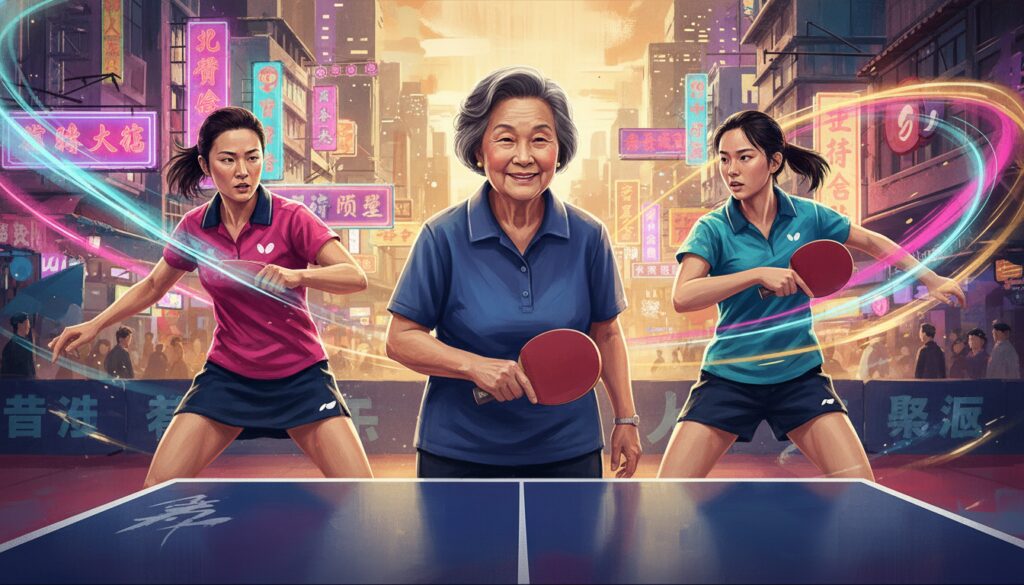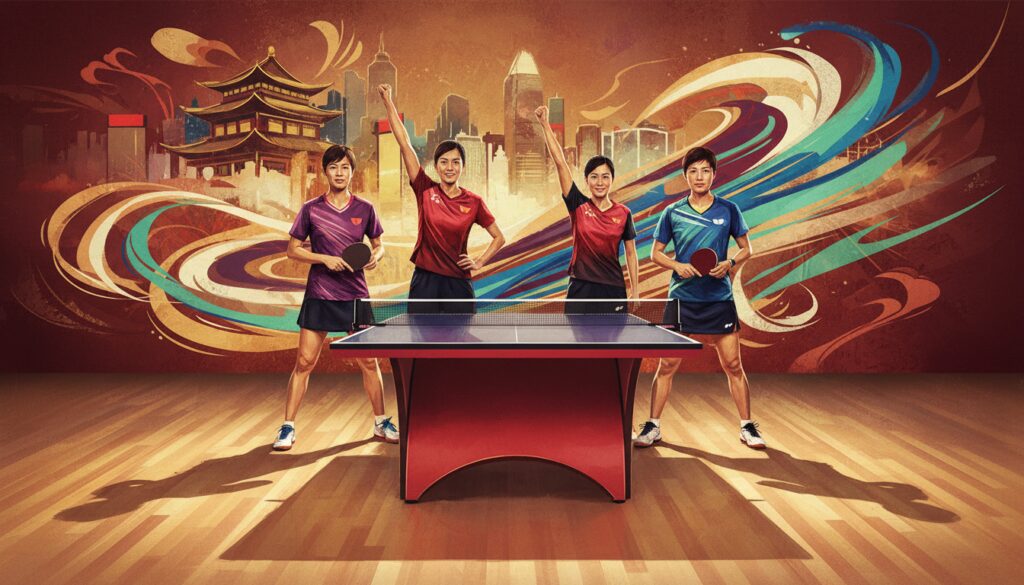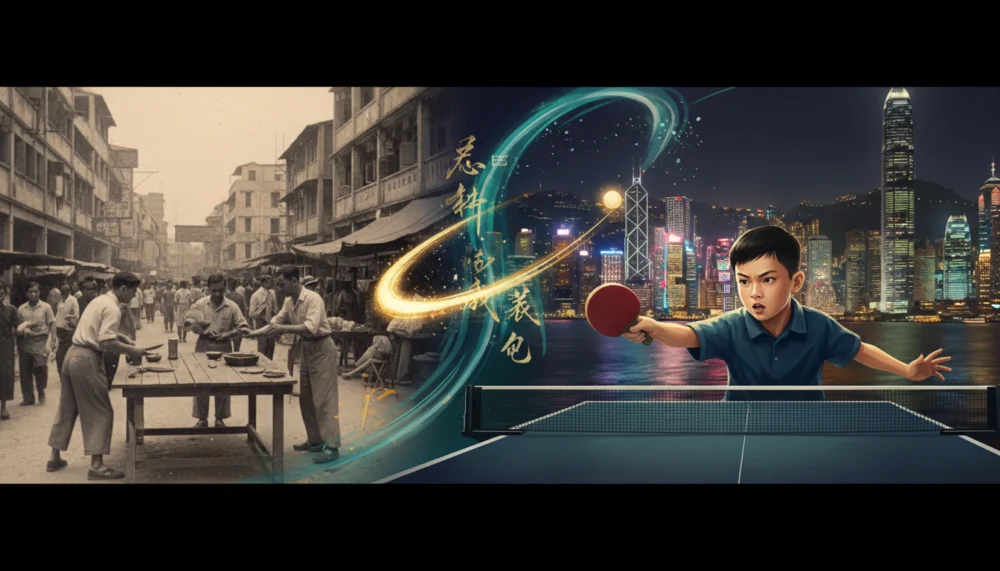
While modern table tennis is synonymous with high-speed rallies and professional athleticism, its roots in Hong Kong are deeply intertwined with the city’s complex colonial history and social evolution. Understanding how this sport became a local obsession requires looking back at the early 20th century, when it was more of a social pastime than a competitive endeavor.
The British Influence and Early Adoption
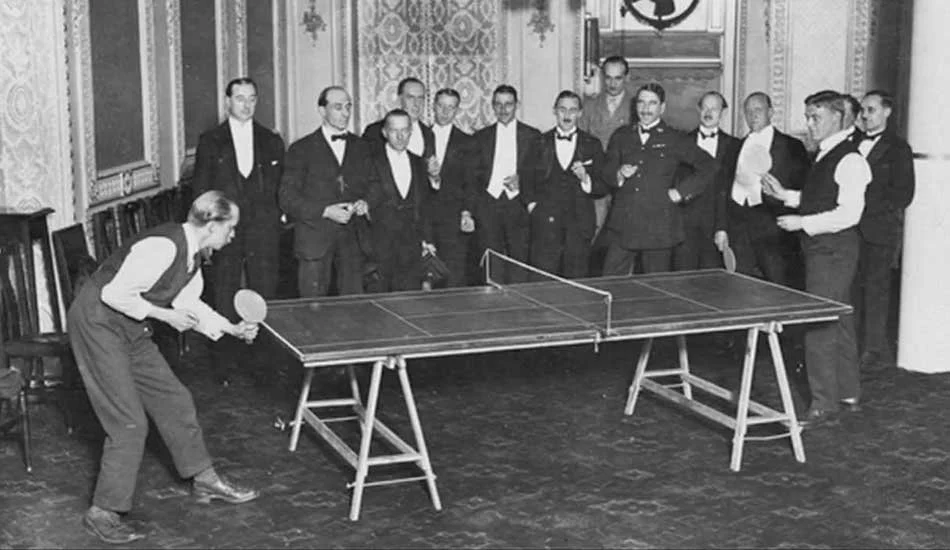
Table tennis, or ping-pong as it was then known, arrived in Hong Kong via British military officers and expatriates during the late 19th and early 20th centuries. Initially, it was a leisure activity reserved for the elite, played in social clubs and the grand residences of the colonial administration. These early games were often played with makeshift equipment, including cigar box lids for paddles and rounded wine bottle corks for balls.
By the 1920s, the game began to permeate the local Chinese community. Local merchants and students who interacted with Westerners started adopting the sport, drawn by its accessibility and the minimal space required to play in the increasingly crowded urban landscape of Victoria City and Kowloon.
The Ping-Pong Craze of the 1920s
The decade of the 1920s saw a significant surge in the popularity of table tennis across the territory. It was during this time that the first informal competitions began to emerge. Schools and community organizations started including table tennis in their physical education curricula, recognizing it as a sport that promoted agility and focus without requiring expensive infrastructure.
Key developments during this era included:
- The establishment of inter-school matches that fostered a competitive spirit among the youth.
- The formation of small, localized clubs in neighborhoods like Sham Shui Po and Wan Chai.
- The transition from ‘parlor’ equipment to more standardized wooden paddles.
Post-War Expansion and Community Centers
The period following the Second World War was a turning point for Hong Kong. As the city underwent rapid reconstruction and faced a massive influx of refugees, table tennis served as a vital social glue. The government and various non-governmental organizations established community centers where table tennis tables became a central feature.
In the 1950s, the sport moved from the private clubs of the elite into the public housing estates. The iconic ‘H-block’ resettlement buildings often featured concrete tables in open areas, where children and workers would gather for matches after long shifts in the city’s burgeoning factories.
The Rise of Local Tournaments
As the player base grew, so did the demand for organized competition. The 1950s saw the birth of several major local tournaments that would eventually pave the way for professional leagues. These events were often sponsored by local businesses, reflecting the sport’s deep integration into the Hong Kong economy and social fabric.
Hong Kong’s International Debut
Hong Kong’s emergence on the international table tennis stage began in earnest during the late 1950s and early 1960s. The territory began sending representatives to regional competitions, where local players quickly gained a reputation for their unique ‘penhold’ grip and lightning-fast footwork.
The 1960s are often considered a golden era for Hong Kong table tennis. It was during this time that the city began to produce players who could compete with the world’s best, particularly those from mainland China and Japan. These early pioneers laid the groundwork for the professional coaching systems that exist today.
The Paddle Revolution: Technological Shifts
The evolution of equipment also played a crucial role in the development of the sport in Hong Kong. The transition from simple wooden blades to paddles with sponge rubber revolutionized the game. Local players were among the first in the region to experiment with different rubber textures, leading to the development of the ‘loop’ and heavy backspin techniques that define the modern game.
The Path to Professionalism
In the latter half of the 20th century, the Hong Kong Table Tennis Association (HKTTA) played a pivotal role in formalizing the sport. By establishing rigorous training programs and securing funding for international travel, the association transformed a popular hobby into a professional career path for talented athletes.
The government’s support through the Hong Kong Sports Institute further solidified the sport’s status. Today, table tennis is one of the ‘Elite Sports’ in Hong Kong, receiving significant resources to ensure that local athletes remain competitive on the Olympic and World Championship stages.
Legacy and Modern Success
The origins of table tennis in Hong Kong are a testament to the city’s resilience and adaptability. From the makeshift tables of the 1920s to the state-of-the-art facilities of today, the sport has mirrored Hong Kong’s own journey from a colonial port to a global metropolis.
Why table tennis remains a pillar of Hong Kong sports:
- It requires minimal space, making it perfect for a high-density city.
- It is inclusive of all age groups and social classes.
- A rich history of international success provides role models for the younger generation.
As we look at the current stars representing Hong Kong, it is essential to remember the untold stories of the enthusiasts who played in the crowded streets and community centers decades ago. Their passion for the game created a legacy that continues to thrive in every community hall and professional arena across the city.