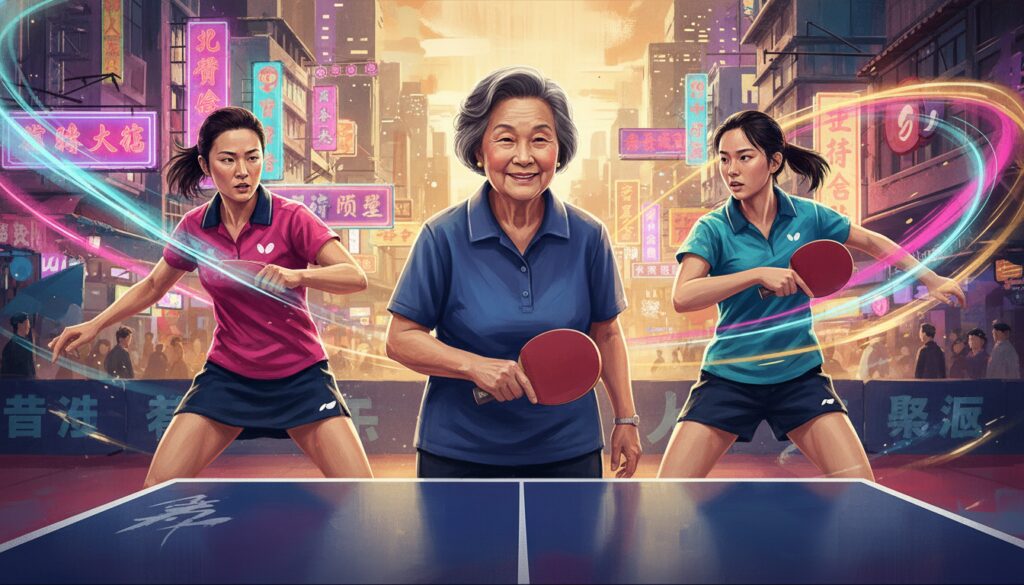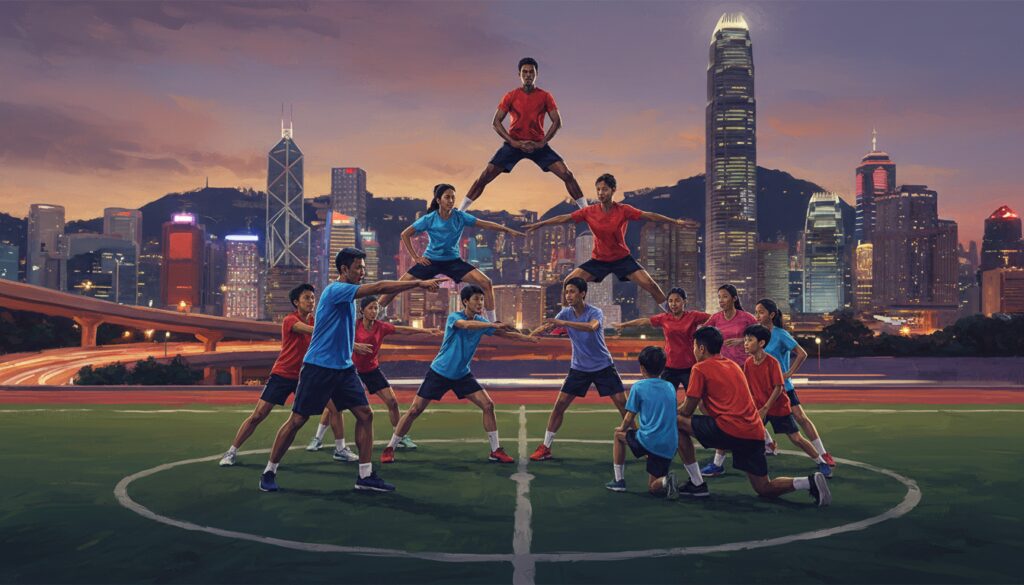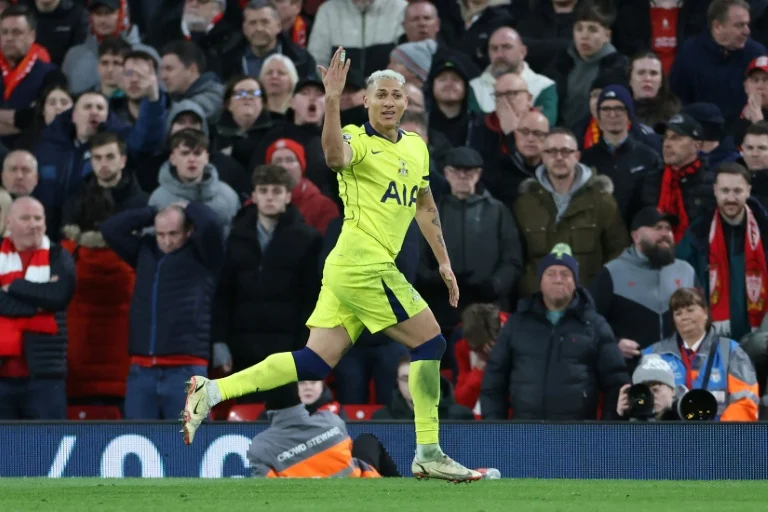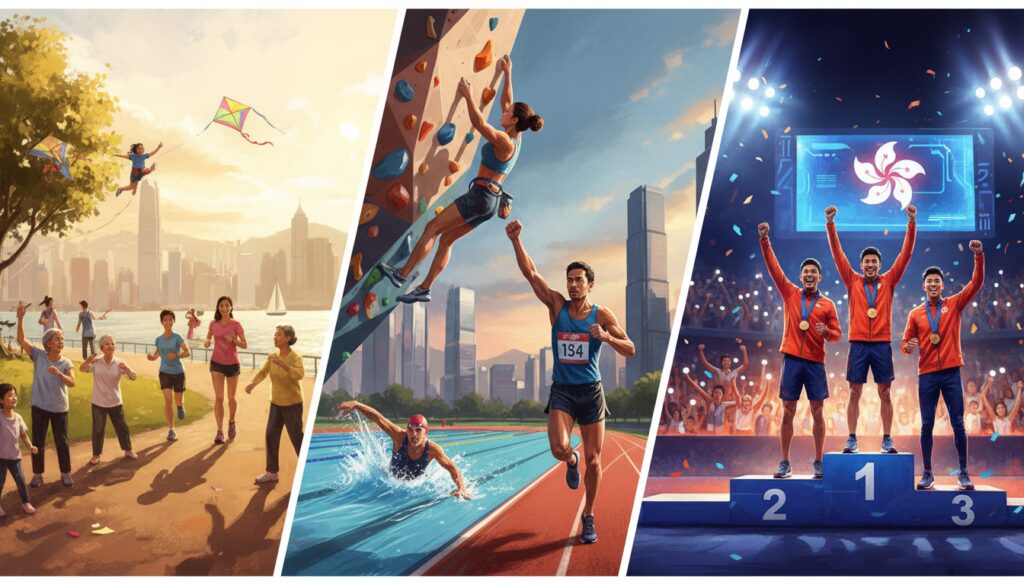
Hong Kong’s sporting narrative has experienced a profound shift over the last half-century, evolving from a casual pastime into a sophisticated ecosystem of elite performance. What was once a collection of localized recreational activities has matured into a disciplined pursuit of global excellence, supported by robust infrastructure and strategic government investment.
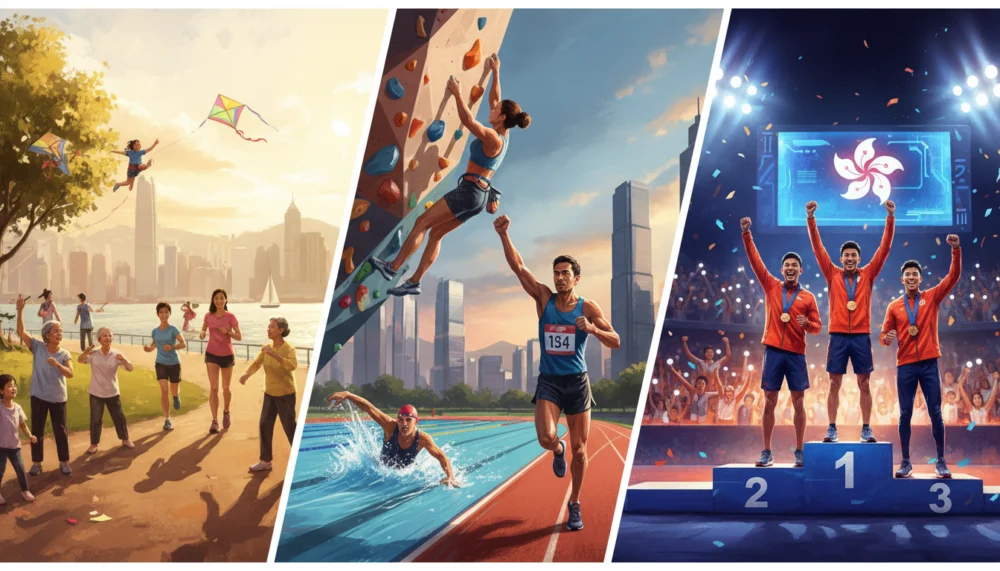
In the early post-war decades, sports in Hong Kong were primarily viewed through the lens of public health and community leisure. The focus was on providing the general population with accessible spaces for exercise, rather than identifying and grooming individual talents for international podiums.
The Foundation of Community Sports
The initial growth of sports in the city was driven by the need for social cohesion. Community centers and public parks became the breeding grounds for local talent, though formal training pathways were largely absent. During this era, participation was the primary goal, and the concept of a professional athlete was nearly non-existent.
The Role of the Leisure and Cultural Services Department
The establishment of organized bodies like the Leisure and Cultural Services Department (LCSD) provided the necessary framework for managing public facilities. These facilities, ranging from swimming pools to indoor sports centers, ensured that the average citizen had the opportunity to engage in physical activity, laying the groundwork for a more active society.
- Development of public multi-purpose stadiums
- Creation of district-level sports programs
- Subsidized access to coaching for youth
The Professionalization Turning Point
The 1980s and 1990s marked a significant transition as the government recognized the potential for sports to enhance Hong Kong’s international profile. The establishment of the Hong Kong Sports Institute (HKSI) in 1991 was a watershed moment, providing a centralized venue for high-performance training and sports science.
The Impact of the 1996 Olympic Gold
The historic gold medal won by Lee Lai-shan in windsurfing at the 1996 Atlanta Olympics served as a catalyst for change. It proved that athletes from a relatively small territory could compete with and defeat the world’s best, sparking a new wave of interest in professional sports careers.
Investment in Elite Performance
To sustain this momentum, the government introduced the Elite Athletes Development Fund. This multi-billion dollar endowment ensures that top-tier athletes have access to world-class coaching, medical support, and international competition experience without the burden of financial instability.
Integration of Sports Science and Technology
Modern elite competition in Hong Kong is now heavily reliant on data-driven methodologies. The HKSI employs specialists in biomechanics, sports nutrition, and psychology to fine-tune every aspect of an athlete’s performance, ensuring they remain competitive in an increasingly technological field.
Iconic Milestones and Recent Successes
The success of Hong Kong athletes at the Tokyo 2020 Olympics was a testament to decades of planning. With multiple medals across fencing, swimming, and cycling, the city demonstrated its versatility and depth across different sporting disciplines.
The Rise of Fencing and Swimming
The gold medal victory of Cheung Ka-long in fencing and the double silver medals of Siobhan Haughey in swimming have redefined expectations. These achievements have inspired a new generation of youngsters to view sports not just as a hobby, but as a viable and prestigious career path.
Overcoming Urban Challenges
Transitioning to elite status has not been without its hurdles, particularly regarding the city’s limited land supply. Finding space for specialized training facilities within a dense urban environment requires innovative architectural solutions and efficient land-use planning.
The Dual-Career Path for Student-Athletes
One of the most significant cultural shifts has been the acceptance of the dual-career model. Universities in Hong Kong now offer flexible academic programs and scholarships, allowing elite athletes to pursue higher education while maintaining rigorous training schedules.
Future Prospects: Beyond the Podium
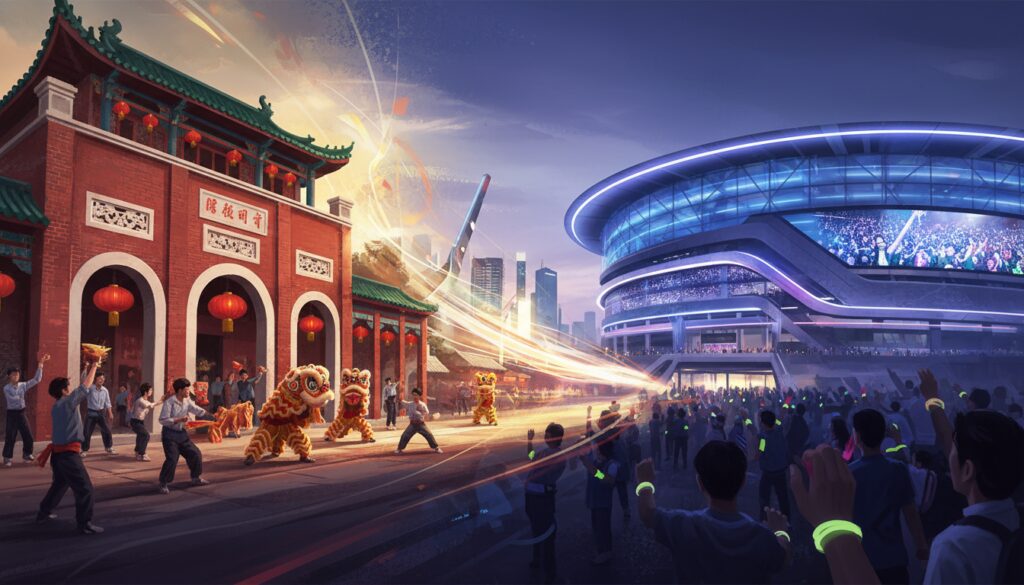
Looking ahead, the completion of the Kai Tak Sports Park is expected to revolutionize the local sports industry. This world-class precinct will provide the infrastructure necessary to host major international events, further cementing Hong Kong’s status as a premier sports hub in Asia.
Hosting the 2025 National Games
The upcoming co-hosting of the 15th National Games of China represents a massive opportunity for Hong Kong. It will not only showcase the city’s organizational capabilities but also foster deeper sporting ties with the Greater Bay Area, opening new doors for talent exchange.
Conclusion: A Legacy in the Making
Hong Kong’s journey from recreation to elite competition is a story of resilience, strategic vision, and community pride. As the city continues to invest in its athletes and infrastructure, the future of Hong Kong sports looks brighter than ever, promising even greater achievements on the world stage.