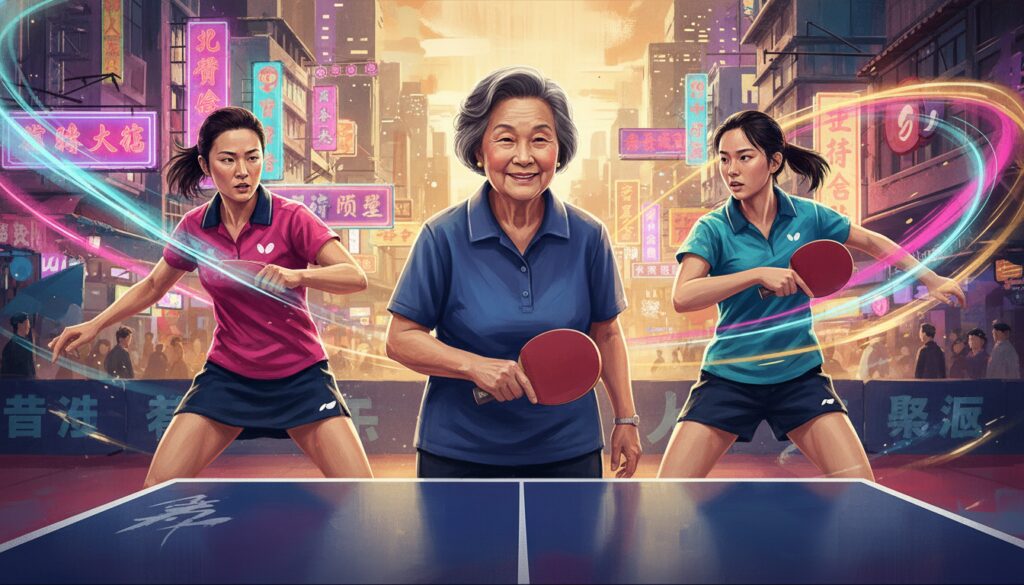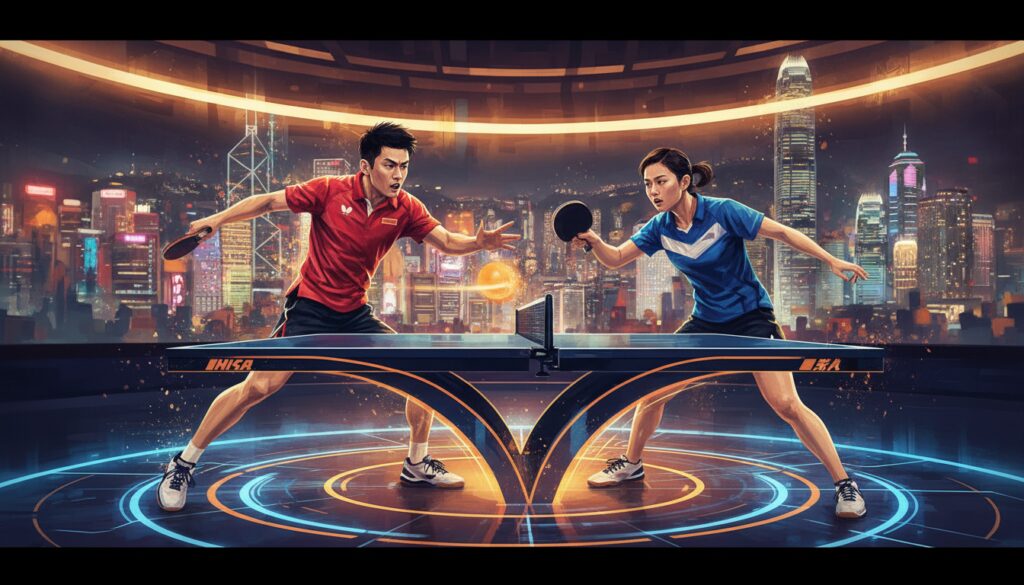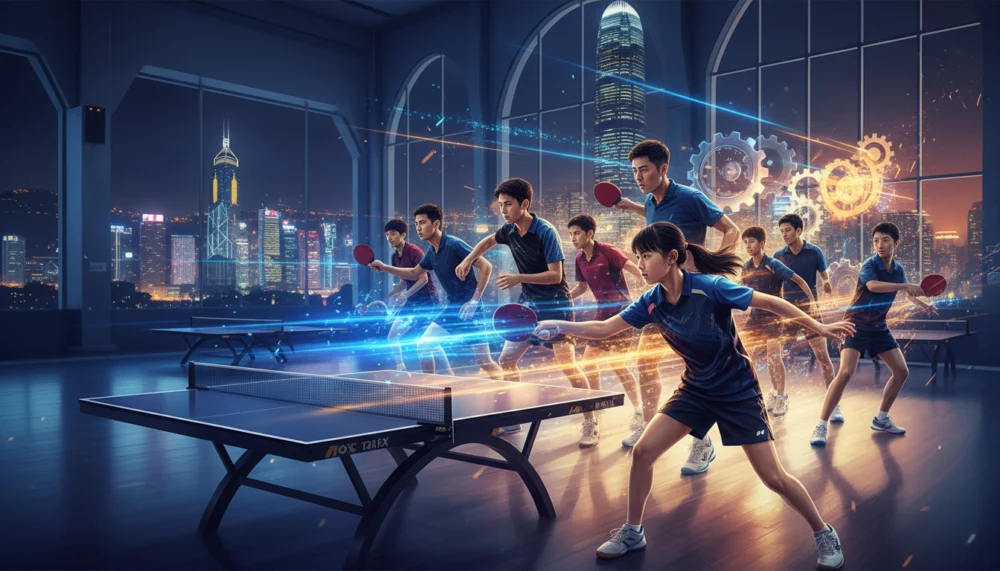
Hong Kong’s ascent in the world of professional table tennis is no accident. It is the result of a meticulously planned ecosystem of youth academies that have redefined how talent is scouted, nurtured, and polished for the global stage.
Historically, table tennis in Hong Kong was a popular pastime found in community centers and schools. However, the transition from a recreational hobby to a global powerhouse required a more structured approach, leading to the establishment of specialized training centers that operate with professional precision.
The Infrastructure of Success: Modern Academy Models
Modern academies in Hong Kong offer more than just tables and paddles; they provide a comprehensive environment where young athletes can thrive. These facilities are equipped with high-grade flooring, professional-standard lighting, and a high coach-to-student ratio that ensures personalized attention.
The philosophy behind these academies centers on the belief that elite athletes are manufactured through discipline and access to resources. By centralizing talent, these institutions create a high-pressure, high-reward environment that mimics the intensity of international circuits.
Integration with Schooling
One of the biggest hurdles for young athletes in Hong Kong has traditionally been balancing rigorous education with intense training. Academies have addressed this by partnering with local schools to create flexible curricula.
- Customized study schedules to accommodate morning training.
- On-site tutoring to ensure academic standards are met.
- Scholarship programs for high-performing student-athletes.
Technological Advancements in Training
The use of technology has been a game-changer for the sport in the region. Academies now utilize high-speed cameras and AI-driven software to analyze a player’s stroke technique, footwork efficiency, and ball trajectory in real-time.
Data analytics allows coaches to identify minute flaws in a player’s game that the naked eye might miss. This scientific approach to training has significantly reduced the time it takes for a junior player to reach a competitive professional level.
Physical Conditioning and Sports Science
Beyond the table, sports science plays a vital role in the modern academy. Youth programs now include strength and conditioning coaches who specialize in the unique physical demands of table tennis, such as lateral explosiveness and core stability.
Nutritionists and physiotherapists are also part of the standard support staff, ensuring that young players develop healthy habits early on. This holistic approach helps in preventing injuries and extending the longevity of a player’s career.
The Role of the Hong Kong Sports Institute (HKSI)
The Hong Kong Sports Institute (HKSI) stands as the pinnacle of this developmental ladder. It provides a centralized hub where the most promising academy graduates receive elite-level funding, advanced medical support, and access to world-class coaching staff.
The HKSI acts as the bridge between youth development and the professional world tour. By providing a clear pathway for progression, it motivates young players to remain committed to the sport through their teenage years.
Global Exposure and International Exchange
Exposure to different playing styles is crucial for development. Hong Kong’s youth systems frequently organize exchange programs with elite academies in mainland China and Europe, ensuring that local players are not caught off guard by varied international tactics.
These international stints allow young athletes to experience different training cultures and compete against diverse opponents, which is essential for building the tactical flexibility required at the highest levels of the game.
Psychological Resilience in Young Athletes
Table tennis is as much a mental game as it is physical. Modern academies in Hong Kong employ sports psychologists to help young players manage the immense pressure of international competition and maintain focus during high-stakes matches.
Mental toughness training includes visualization techniques, stress management workshops, and simulated match-play scenarios. This ensures that when a player steps onto the Olympic or World Championship stage, they are mentally prepared for the challenge.
Success Stories: From Academy to Podium
The success of players like Wong Chun-ting and Doo Hoi-kem serves as a beacon for the next generation. Their journey from local youth programs to the top of the ITTF rankings proves that the system is capable of producing world-class talent.
Community Engagement and Grassroots Growth
The ‘Catch ’em Young’ philosophy is evident in grassroots initiatives across the city. Talent identification programs often begin at the primary school level, where coaches look for natural hand-eye coordination and a competitive spirit.
By lowering the barrier to entry and making high-quality coaching available at the community level, Hong Kong has ensured a steady pipeline of talent that will sustain its international standing for years to come.
Future Prospects for Hong Kong Table Tennis
As the sport continues to evolve with faster equipment and new rules, Hong Kong is well-positioned to remain a top contender. The ongoing investment in youth infrastructure and the integration of new technologies ensure that the city’s pingpong legacy is in safe hands.
In conclusion, the elevation of Hong Kong pingpong is a testament to the power of structured youth development. By combining world-class facilities, technological innovation, and a supportive educational framework, the city has built a sporting legacy that continues to inspire.