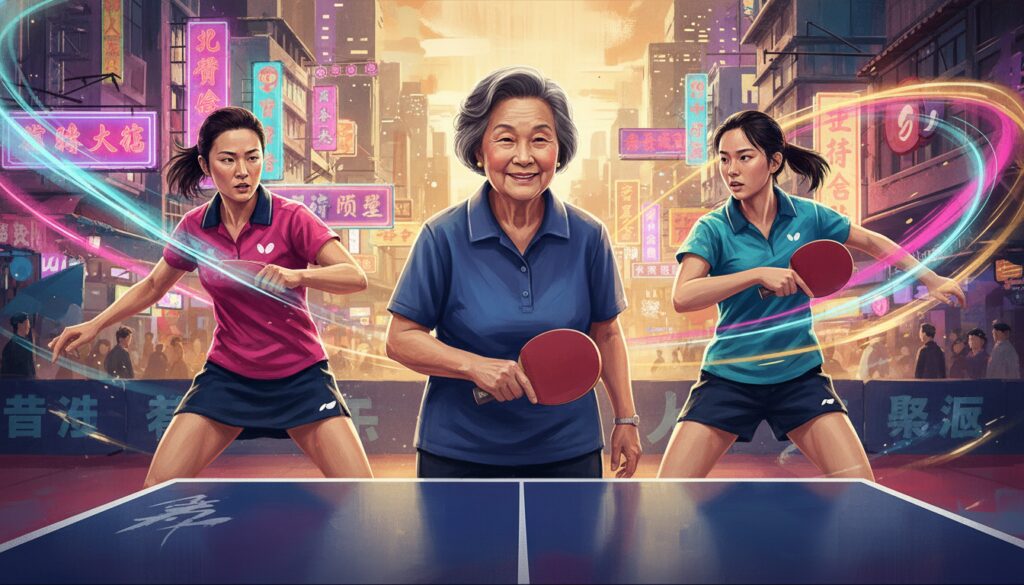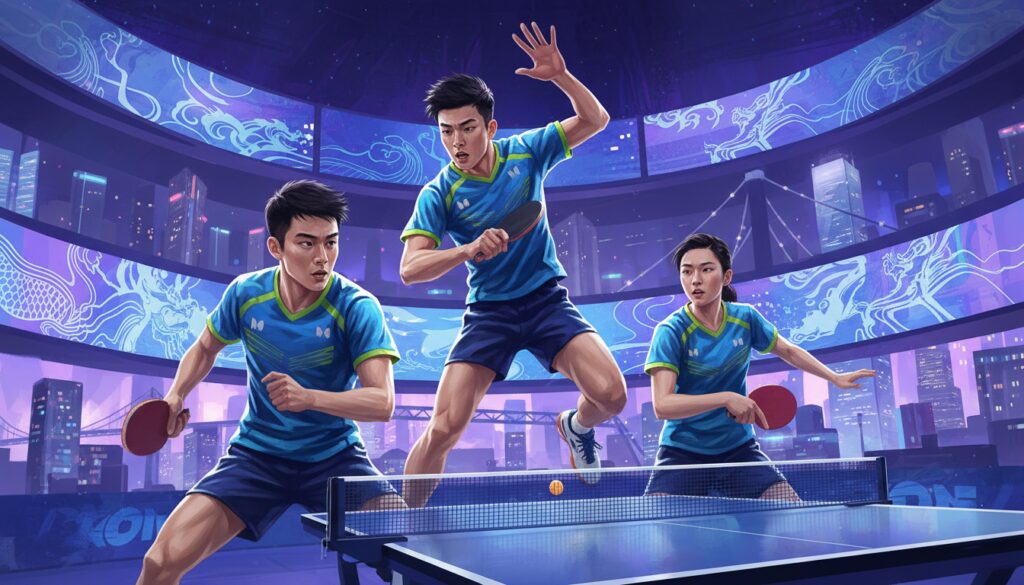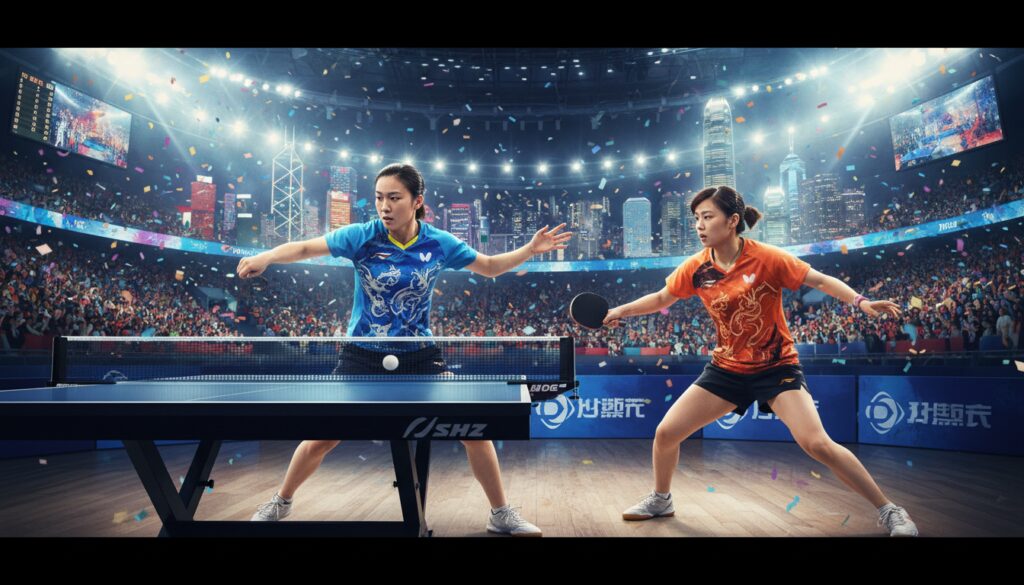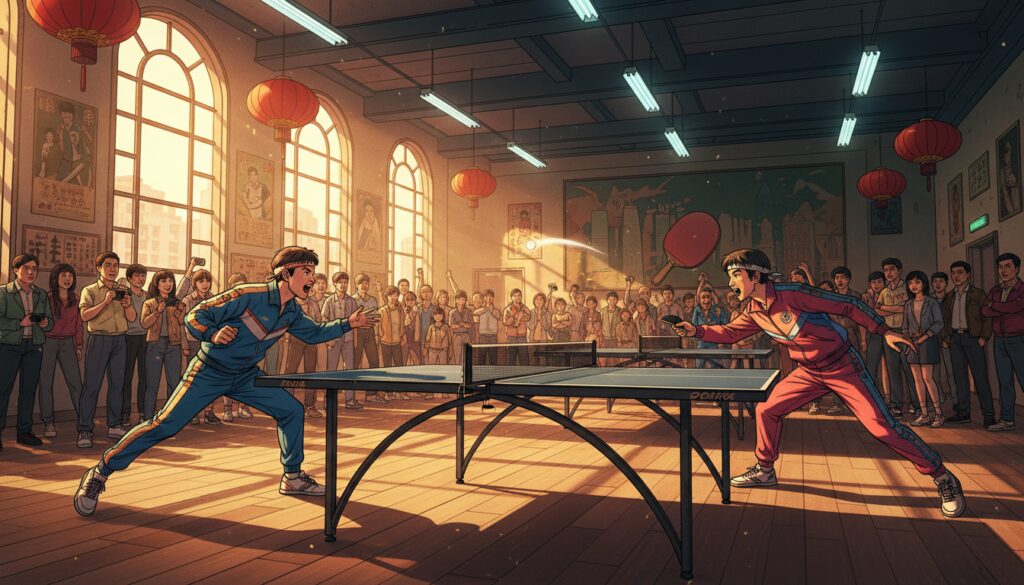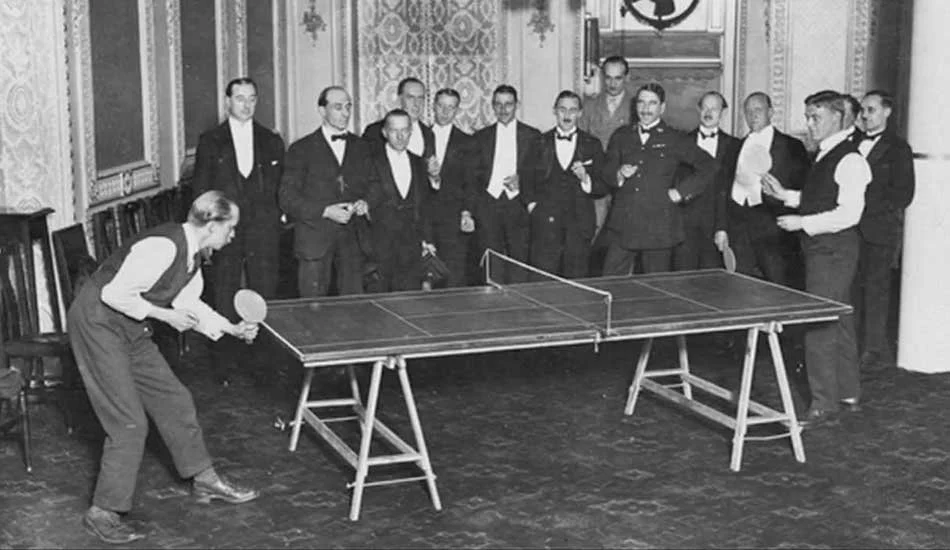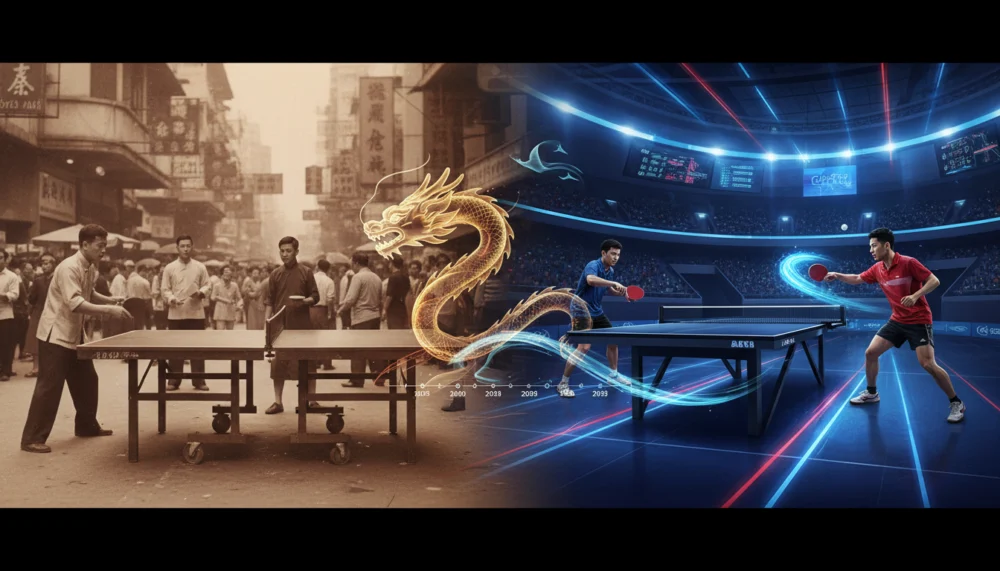
Table tennis, or pingpong as it is affectionately known locally, has a storied history in Hong Kong that mirrors the city’s own rapid development. What began as a recreational activity in community centers has transformed into a high-stakes competitive sport that consistently produces world-class athletes.
The Early Foundations of Table Tennis in Hong Kong
During the mid-20th century, table tennis was primarily a social endeavor. In the 1950s and 60s, the sport was played in rooftop schools, community halls, and private clubs. These informal settings provided the breeding ground for the first generation of enthusiasts who would later push for more formal structures.
The Influence of Mainland China
The proximity to Mainland China, where table tennis is the national sport, played a crucial role in the development of the game in Hong Kong. Cross-border exchanges allowed local players to observe advanced techniques and training methodologies, sparking a desire to elevate the local standard of play.
The Role of the Hong Kong Table Tennis Association (HKTTA)
Founded in 1936, the Hong Kong Table Tennis Association became the central nervous system for the sport’s growth. By organizing local leagues and sanctioning official tournaments, the HKTTA transitioned pingpong from a casual pastime into a regulated athletic discipline with clear pathways for advancement.
Grassroots Development and Youth Engagement
The HKTTA’s focus on youth was pivotal. Through the implementation of several key initiatives, the sport gained a permanent foothold in the education system:
- The School Sports Programme for primary and secondary students
- Junior Development Squads for high-potential athletes
- Community-based coaching clinics across all 18 districts
The 1990s: A Turning Point for Professionalism
The 1990s marked a significant shift as the Hong Kong government began to invest more heavily in sports infrastructure. The establishment of the Hong Kong Sports Institute (HKSI) provided elite athletes with the resources necessary to train full-time, including specialized coaching and sports science support.
The Impact of the 2004 Olympic Games
A watershed moment for the sport occurred during the 2004 Athens Olympics. The Men’s Doubles pair, Ko Lai-chak and Li Ching, captured a historic silver medal. This achievement ignited a surge of interest across the territory, proving that Hong Kong could compete with the world’s best on the biggest stage.
Modern Infrastructure and the HKSI
Today, the Hong Kong Sports Institute serves as the primary training hub for the national team. The facility offers state-of-the-art equipment, video analysis rooms, and residential quarters for athletes, ensuring a professional environment that rivals international standards.
Technological Advancements in Coaching
Coaches now utilize high-speed cameras and data analytics to dissect every serve and return. This scientific approach has allowed Hong Kong players to refine their technique and develop tactical advantages against opponents with greater physical stature or power.
Cultural Significance and Public Participation
Beyond the professional circuit, pingpong remains deeply embedded in Hong Kong’s culture. In public housing estates and urban parks, it is common to see concrete tables occupied by players of all ages, fostering a multi-generational love for the game that feeds the competitive pipeline.
International Tournaments in Hong Kong
Hosting prestigious events like the Hong Kong Open has further cemented the city’s status in the global table tennis community. These tournaments bring the world’s top-ranked players to local shores, providing invaluable exposure and inspiration for aspiring young athletes.
The Rise of New Talent
The success of modern players like Doo Hoi Kem and Wong Chun Ting represents the new era of Hong Kong table tennis. Their consistency on the ITTF World Tour demonstrates the effectiveness of the current development pipeline and the depth of talent within the region.
Looking Toward the Future
As the sport continues to evolve, the focus has shifted toward mental conditioning and holistic athlete development. By combining traditional rigorous training with modern psychological support, Hong Kong aims to maintain its position as a top-tier contender in global competitions.
In conclusion, the evolution of pingpong in Hong Kong is a testament to strategic planning, government support, and the unwavering dedication of its athletes. From humble beginnings to Olympic podiums, the sport continues to be a source of national pride and a symbol of the city’s competitive spirit.