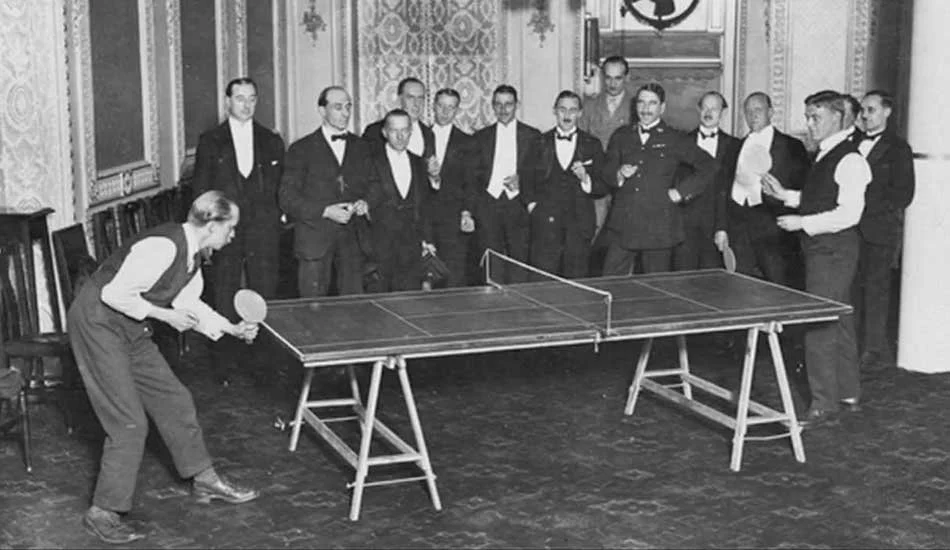
Table tennis has long been a cornerstone of the sporting identity in Hong Kong, but the narrative of its success is incomplete without highlighting the formidable women who have dominated the international stage. From the early days of regional competition to the glitz of the Olympic podium, these athletes have transformed the sport through sheer determination and technical brilliance.
The Genesis of Excellence: Chai Po Wa and Chan Tan Lui
In the late 1980s and early 1990s, the foundation for Hong Kong’s table tennis success was laid by pioneers like Chai Po Wa and Chan Tan Lui. Often referred to as the ‘Twin Towers’ of Hong Kong table tennis during their era, they were instrumental in putting the city on the global map. Their success in the World Championships and Asian Games proved that Hong Kong could compete with traditional powerhouses like China and Japan.
These two athletes were not just competitors; they were symbols of a burgeoning professional era. Their partnership in women’s doubles brought home numerous medals, fostering a culture of excellence that encouraged the next generation of young girls to pick up the paddle. The legacy they left behind was one of grit and the belief that a small territory could produce world-class talent.
The Era of Tie Ya Na and Zhang Rui
As the sport transitioned into the 2000s, a new wave of talent arrived. Tie Ya Na and Zhang Rui became the faces of Hong Kong table tennis. Tie Ya Na, in particular, became a household name due to her incredible longevity and consistent performance at the highest levels. Her tactical intelligence and calm demeanor under pressure made her one of the most respected players on the ITTF circuit.
During this period, the Hong Kong team solidified its position as a top-tier contender in team events. The synergy between veteran players and incoming talent allowed the city to maintain a top-five world ranking for years. This era was crucial for establishing the professional infrastructure that would later support homegrown stars.
The Shift to Homegrown Talent
One of the most significant transformations in the sport was the shift from relying on players who moved to Hong Kong to cultivating local-born talent. This transition was a deliberate strategy by the Hong Kong Table Tennis Association and the Hong Kong Sports Institute (HKSI). The result was the emergence of a golden trio that would eventually make history.
Doo Hoi Kem: The Modern Icon
Doo Hoi Kem represents the pinnacle of the homegrown movement. Starting her training at a very young age, she rose through the ranks of the local youth system to become a top-10 player in the world. Her aggressive playing style and versatility in both singles and mixed doubles have made her the spearhead of the current national team.
Lee Ho Ching: The Steady Force
Alongside her is Lee Ho Ching, whose technical proficiency and experience have been vital for the team’s stability. Lee’s journey from a promising junior to a seasoned veteran highlights the importance of long-term development programs. Her ability to anchor the team during high-stakes matches has been a key factor in Hong Kong’s sustained success.
Minnie Soo Wai Yam: The Fighting Spirit
The trio is completed by Minnie Soo Wai Yam, known for her incredible fighting spirit and tactical flexibility. Soo’s performance in critical matches, often overcoming higher-ranked opponents, has earned her a reputation as a ‘giant killer.’ Her dedication to the sport, despite facing various physical challenges, serves as an inspiration to many aspiring athletes.
The Historic Tokyo 2020 Olympic Breakthrough
The culmination of decades of hard work and institutional support occurred at the Tokyo 2020 Olympics. The Hong Kong women’s team, comprised of Doo Hoi Kem, Lee Ho Ching, and Minnie Soo Wai Yam, captured the bronze medal in the team event. This was a historic moment, as it was the first-ever Olympic medal for a homegrown Hong Kong table tennis team.
Their victory against Germany in the bronze medal match was a masterclass in teamwork and strategic execution. The win sparked a wave of enthusiasm across the city, leading to a massive surge in interest in the sport among the younger generation. It proved that the ‘homegrown’ strategy was not only viable but capable of reaching the very top of the sporting world.
The Role of Coaching and Leadership
The transformation of the sport was also driven by visionary coaching. Li Ching, a former Olympic medalist himself, transitioned into a coaching role that brought out the best in the women’s team. His emotional connection to the players and his deep understanding of the pressure of the Olympic stage were instrumental in their Tokyo success.
Under the guidance of Li Ching and the support staff at the HKSI, the players benefited from advanced sports science, video analysis, and mental conditioning. This holistic approach to athlete development ensured that the players were physically and mentally prepared for the rigors of international competition.
Institutional Support and Infrastructure
The success of these women is also a testament to the robust support system provided by the Hong Kong Sports Institute. The provision of world-class facilities, financial grants, and international competition exposure has allowed athletes to focus entirely on their professional growth.
Key Success Factors for Hong Kong’s Women
- Integration of professional coaching from former world-class players.
- Significant investment in youth development and talent identification.
- Comprehensive sports science and medical support.
- A strategic focus on doubles and team events to maximize medal potential.
The Future of the Sport
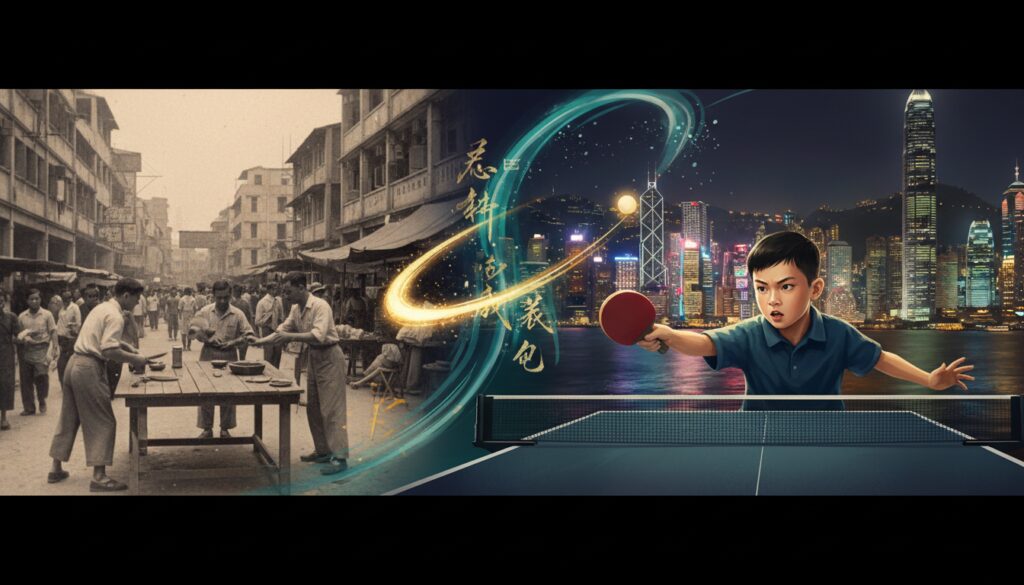
The impact of these women extends far beyond the medals they have won. They have fundamentally changed the perception of professional sports as a career path for women in Hong Kong. Today, more young girls are entering the elite training systems than ever before, inspired by the success of their idols.
As the next generation of players like Zhu Chengzhu begins to make their mark, the future of Hong Kong table tennis looks brighter than ever. The foundation laid by the pioneers and the heights reached by the current stars ensure that Hong Kong will remain a force to be reckoned with on the global stage for years to come.
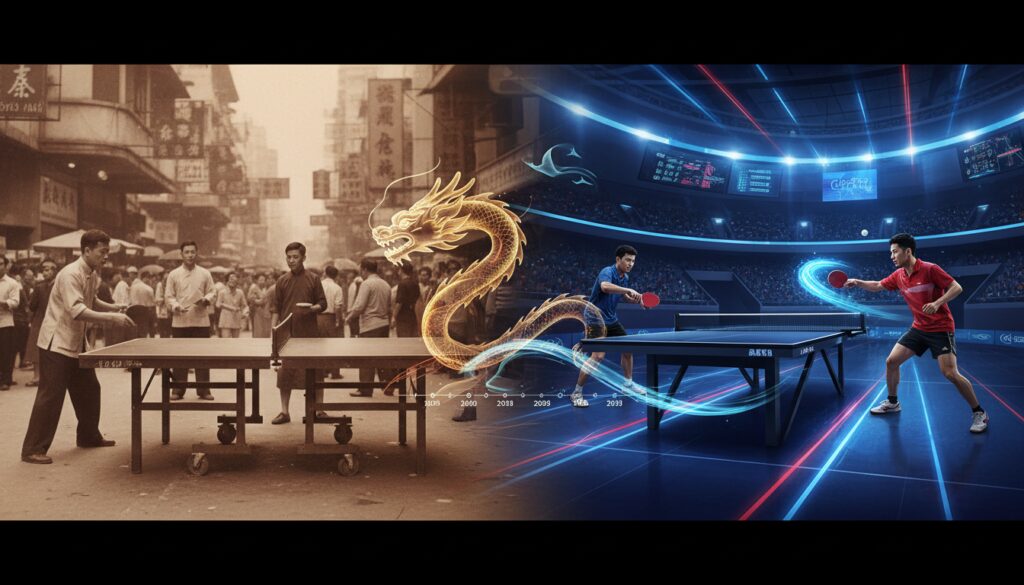
In conclusion, the transformation of table tennis in Hong Kong is a story of evolution, from the early excellence of the 1990s to the homegrown triumphs of the present day. The women who led this charge have not only brought glory to the city but have also built a lasting legacy that will continue to inspire for generations.