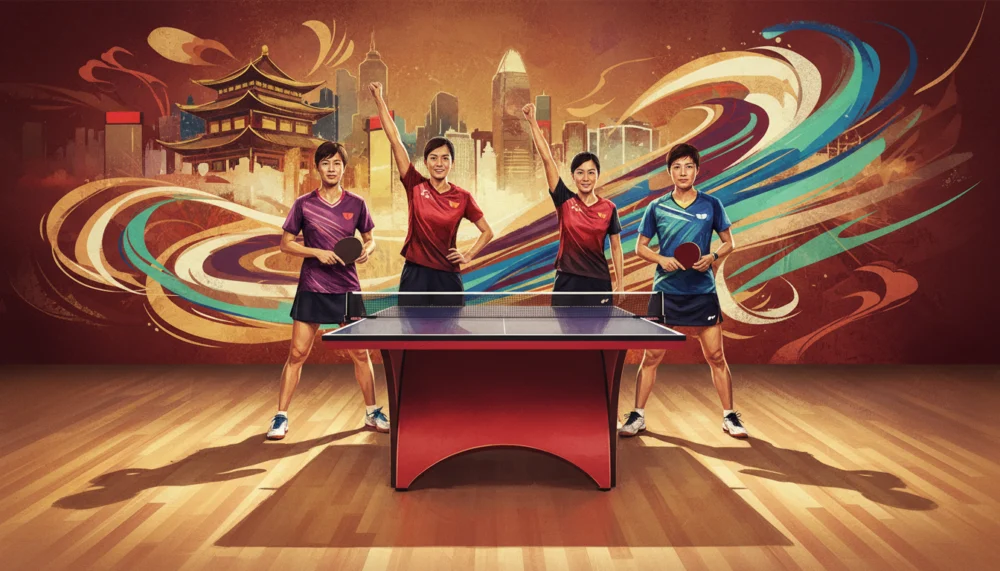
The Rising Influence of Women in Hong Kong Table Tennis
Table tennis has evolved from a popular pastime into a professional powerhouse in Hong Kong, largely driven by the strategic oversight of female leaders. These individuals have navigated complex sporting structures to place the city on the global map. Their influence extends beyond technical coaching, encompassing the very infrastructure that supports the sport’s growth from the ground up.
A Shift in Governance and Strategy
In recent years, the administrative landscape of the Hong Kong Table Tennis Association has seen a marked increase in female representation. This diversity in leadership has introduced fresh perspectives on talent identification and international relations. By fostering a culture of excellence and inclusivity, these leaders are ensuring that Hong Kong remains a competitive force in the Asia-Pacific region and beyond.
The Role of Elite Athletes as Future Leaders
Many of today’s most influential figures in the sport began their journeys as elite competitors. The transition from professional athlete to leadership role is a critical pathway for sustaining the sport’s legacy. Athletes like Lee Ho Ching and Doo Hoi Kem serve as more than just teammates; they are the blueprint for future generations of women looking to lead in the sporting world.
Mentorship and the Next Generation
The mentorship provided by senior female players is invaluable. By sharing their experiences of competing at the highest levels, including the Olympic Games and World Championships, they provide a roadmap for younger athletes. This cycle of knowledge transfer is essential for maintaining the high standards of the Hong Kong national team and ensuring a steady pipeline of talent.
Institutional Support and the HKTTA
The Hong Kong Table Tennis Association (HKTTA) has been instrumental in creating a supportive environment for women. Through targeted funding and development programs, the association has empowered female coaches and administrators to take the lead. This institutional support is a key factor in the sustained success of the women’s game in the region.
Promoting Gender Equality in Sports Management
Efforts to promote gender equality within sports management have led to more women holding executive positions. These leaders are responsible for strategic planning, budget allocation, and the implementation of long-term development goals. Their presence ensures that the unique challenges faced by female athletes are addressed at the highest levels of policy-making.
Grassroots Initiatives and Community Engagement
Women leaders are also at the forefront of grassroots development. By engaging with local schools and community centers, they are making table tennis accessible to a wider audience. These initiatives focus on:
- Introducing the sport to young girls at an early age.
- Providing professional coaching in local districts.
- Organizing regional tournaments to foster competition.
- Creating pathways for academic and athletic balance.
Developing Sustainable Talent Pipelines
The focus on grassroots development is part of a broader strategy to create a sustainable talent pipeline. By identifying promising young players early and providing them with the necessary resources, female leaders are building a foundation for long-term success. This approach emphasizes holistic development, ensuring that athletes excel both on and off the court.
The Impact of Global Success
The historic bronze medal win by the Hong Kong women’s team at the Tokyo 2020 Olympics served as a catalyst for further growth. This achievement highlighted the effectiveness of the leadership and training programs currently in place. It also brought significant public attention and investment to the sport, further empowering women leaders to expand their reach.
Capitalizing on Olympic Momentum
Following the Olympic success, female leaders have been quick to capitalize on the increased interest in table tennis. They have worked to secure more sponsorships and government grants, which are vital for upgrading training facilities and supporting international travel for competitions. This proactive approach has solidified Hong Kong’s status as a hub for table tennis excellence.
Technological Innovation in Training
Modern table tennis requires more than just physical skill; it demands technological integration. Women in leadership roles are spearheading the use of data analytics and sports science to gain a competitive edge. By analyzing player performance and opponent strategies, they are refining training methods to produce better results.
Implementing Sports Science
The integration of sports science includes:
- Biomechanical analysis of strokes.
- Nutrition and recovery planning.
- Psychological conditioning for high-pressure environments.
- Video analysis of international matches.
These advancements are a testament to the forward-thinking nature of Hong Kong’s female sporting leaders.
Building International Bridges
Hong Kong’s female leaders are active participants in the global table tennis community. By holding positions in the International Table Tennis Federation (ITTF) and the Asian Table Tennis Union (ATTU), they represent the interests of Hong Kong and contribute to the global development of the sport. This international presence is crucial for staying ahead of global trends and influencing the rules of the game.
Fostering Global Collaborations
Collaborations with other national associations allow for exchange programs and joint training camps. These partnerships provide Hong Kong athletes with exposure to different playing styles and cultures, which is essential for their growth as world-class competitors. Female leaders are often the primary architects of these international alliances.
Addressing Mental Health and Wellbeing
A significant aspect of modern leadership in Hong Kong sports is the focus on athlete wellbeing. Women leaders have been vocal advocates for mental health support, recognizing that the pressure of professional sports can be immense. They have implemented programs that provide athletes with access to sports psychologists and stress management resources.
Creating a Balanced Training Environment
By prioritizing a balanced approach to training, these leaders help athletes maintain their passion for the sport over the long term. This includes ensuring that younger players have time for their studies and social lives, which prevents burnout and encourages a more sustainable career in athletics.
Overcoming Cultural and Social Barriers
Despite the progress made, women in sports leadership still face cultural and social barriers. However, the success of Hong Kong’s female table tennis leaders is helping to change perceptions. By demonstrating high levels of competence and resilience, they are inspiring more women to pursue careers in sports management and coaching.
The Power of Visibility
The visibility of women in high-ranking positions serves as a powerful motivator. When young girls see women leading national teams and managing major sporting organizations, it expands their understanding of what is possible. This visibility is a crucial component of the ongoing cultural shift in Hong Kong sports.
The Future of Women in Table Tennis Leadership
Looking ahead, the future of table tennis in Hong Kong appears bright, with a new generation of women ready to take the reins. The foundation laid by current leaders provides a strong platform for continued innovation and success. As more women enter the fields of coaching, administration, and sports science, the sport will continue to evolve in exciting new directions.
Empowering the Leaders of Tomorrow
Continued investment in leadership training and professional development is essential. By providing women with the tools and opportunities to lead, Hong Kong can ensure that its table tennis program remains at the forefront of the international stage. The commitment to empowering women is not just about equity; it is a strategic necessity for the sport’s survival and growth.
Conclusion: A Legacy of Excellence
In conclusion, the development of table tennis in Hong Kong is inextricably linked to the contributions of its female leaders. From the boardroom to the training hall, their influence is felt at every level of the sport. As they continue to break barriers and set new standards, the legacy of women leaders in Hong Kong table tennis will undoubtedly inspire generations to come.