The Strategic Minds Behind Hong Kong’s Podium Success
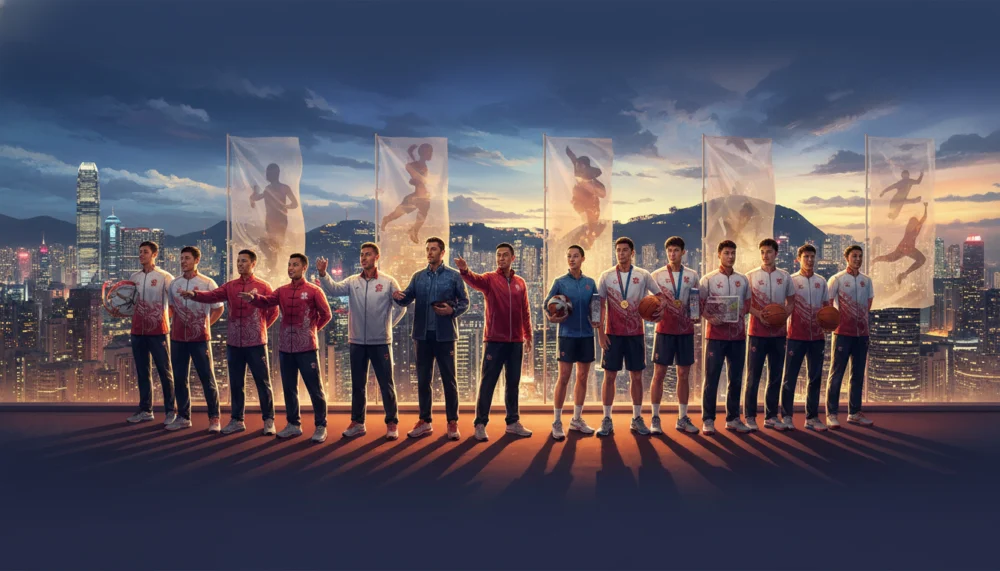
In recent years, Hong Kong has emerged as a formidable force on the international sporting stage. While the athletes receive the medals and the glory, their success is often the result of years of meticulous planning and guidance by world-class coaches. These mentors do more than just teach technique; they build the psychological and physical foundations required to compete at the highest level.
The Evolution of Coaching in the Region
Historically, Hong Kong relied heavily on imported expertise, but the current landscape shows a sophisticated blend of international masters and homegrown legends who have transitioned into elite coaching roles. This synergy has created a unique training environment tailored to the local culture and competitive spirit.
Shen Jinkang: The Architect of Hong Kong Cycling
Shen Jinkang is perhaps the most influential figure in the history of Hong Kong sports. Since arriving in the 1990s, he has transformed a niche hobby into a world-class cycling program that consistently produces global stars.
Wong Kam-po, often called the “Son of Hong Kong,” was Shen’s first major success story. Under Shen’s rigorous regime, Wong won multiple Asian Games gold medals and a World Championship title, proving that Hong Kong athletes could dominate at the continental and global levels.
Shen’s legacy reached new heights with Sarah Lee Wai-sze, who became a double Olympic bronze medalist and multiple-time World Champion in track cycling. His scientific approach to sprinting and tactical positioning revolutionized how local athletes train for high-intensity events.
Scientific Rigor and Discipline
Shen’s methodology involves high-altitude training and data-driven performance analysis. By ensuring that his riders are always at their physical peak during major championships, he has set a gold standard for athletic preparation in the region.
Greg Koenig: Elevating Hong Kong Fencing
The arrival of French coach Greg Koenig signaled a new era for Hong Kong fencing. His charismatic and tactical approach has yielded unprecedented results, turning a promising team into a global powerhouse.
Koenig was instrumental in Cheung Ka-long’s historic gold medal win at the Tokyo 2020 Olympics. His ability to keep the athlete calm under immense pressure and adjust tactics mid-bout became a hallmark of his coaching style.
Beyond individual success, Koenig has mentored the entire men’s foil team to a world-class ranking. Under his guidance, multiple fencers have secured medals in World Cup and Grand Prix events, creating a deep pool of talent rather than a single outlier.
Psychological Training in Fencing
Koenig emphasizes the mental aspect of the sport. In fencing, where bouts are won and lost in fractions of a second, his focus on mental resilience and confidence has been the key differentiator for Hong Kong’s elite fencers.
Chen Jianhong: Driving the Swimming Renaissance
As the head coach of the swimming program at the Hong Kong Sports Institute, Chen Jianhong has overseen the most successful period in the city’s aquatic history, producing athletes who can compete with the best in the West.
His work with Siobhan Haughey has been particularly noteworthy. By fostering an environment that balances professional training with academic and personal growth, he helped Haughey become a double Olympic silver medalist and a world record holder.
Building a Sustainable Pipeline
Chen’s influence extends to the youth ranks, where he has implemented a system that identifies talent early. This ensures that the success seen today is not a one-off event but the beginning of a long-term trend in Hong Kong swimming.
Li Ching: From Player to Master Mentor
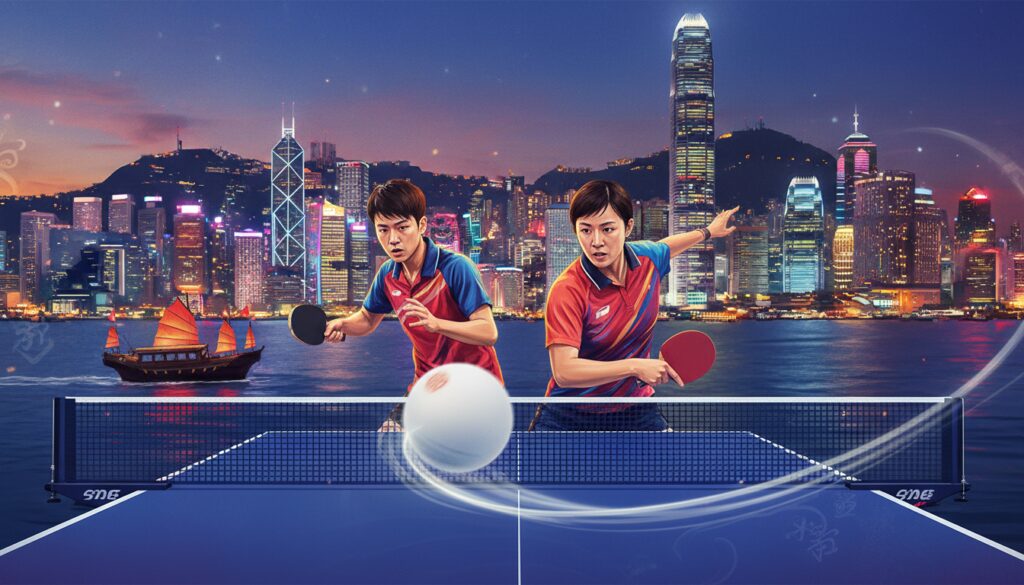
Li Ching, an Olympic silver medalist himself in 2004, has successfully transitioned into a coaching role for the women’s table tennis team. His experience as a player provides him with unique insights into the pressures of elite competition.
Under his guidance, the women’s team secured a historic bronze medal at the Tokyo 2020 Olympics. His deep understanding of the game’s tactical nuances has been vital for players like Doo Hoi-kem and Lee Ho-ching as they navigate the professional circuit.
Tactical Innovation in Doubles
Li Ching is renowned for his ability to pair athletes effectively. He maximizes their individual strengths to create formidable doubles combinations that often outperform higher-ranked opponents through superior strategy.
The Role of the Hong Kong Sports Institute (HKSI)
The HKSI serves as the vital hub where these coaches operate. It provides the infrastructure, from sports science to medical support, that allows mentors to focus purely on athlete development and performance optimization.
- Elite Training Facilities: Providing state-of-the-art equipment for every Olympic discipline.
- Sports Science Support: Biomechanics and nutrition experts working alongside coaches to fine-tune performance.
- Financial Stability: Grants and scholarships that allow athletes and coaches to pursue sports as a full-time career.
Shared Characteristics of Champion-Making Coaches
While their sports differ, the coaches who produce multiple champions share several key characteristics that allow them to replicate success across different athletes and generations.
Adaptability is crucial. These coaches constantly evolve their strategies to counter international rivals and adapt to changing rulebooks or technological advancements in sports equipment.
Psychological Resilience
Mentoring a champion requires more than physical training; it requires building a “championship mindset.” Coaches like Koenig and Shen emphasize mental toughness and the ability to maintain focus amidst the distractions of major games.
The Impact of International Recruitment
Hong Kong’s willingness to bring in global experts has been a game-changer. These coaches bring “winning cultures” from established sporting nations and adapt them to the local context, creating a hybrid model of excellence.
Developing the Next Generation of Coaches
One of the primary goals of these elite mentors is to train the next generation of local coaches. This ensures that the knowledge, systems, and philosophies they have built remain in Hong Kong long after they retire.
Knowledge Transfer Programs
The HKSI facilitates structured workshops and mentorship programs where senior coaches share their experiences with junior staff, creating a continuous cycle of professional development and sporting growth.
Challenges in Mentoring Elite Talent
Maintaining success is often harder than achieving it. Coaches must manage athlete burnout, navigate complex injury rehabilitation, and handle the immense expectations of the Hong Kong public and media.
The Cultural Shift in Hong Kong Sports
The success of these coaches has contributed to a broader cultural shift. Professional sports are now seen as a viable and prestigious career path for young people, leading to a larger pool of talent for coaches to work with.
Conclusion: A Legacy of Excellence
The coaches who have mentored multiple Hong Kong champions have left an indelible mark on the city’s history. Their dedication, expertise, and vision have turned the dreams of local athletes into reality on the world’s biggest stages.
Final Thoughts
Success in sports is always a team effort. At the heart of every Hong Kong champion stands a coach who believed in their potential long before the world knew their names, proving that elite mentorship is the ultimate catalyst for greatness.