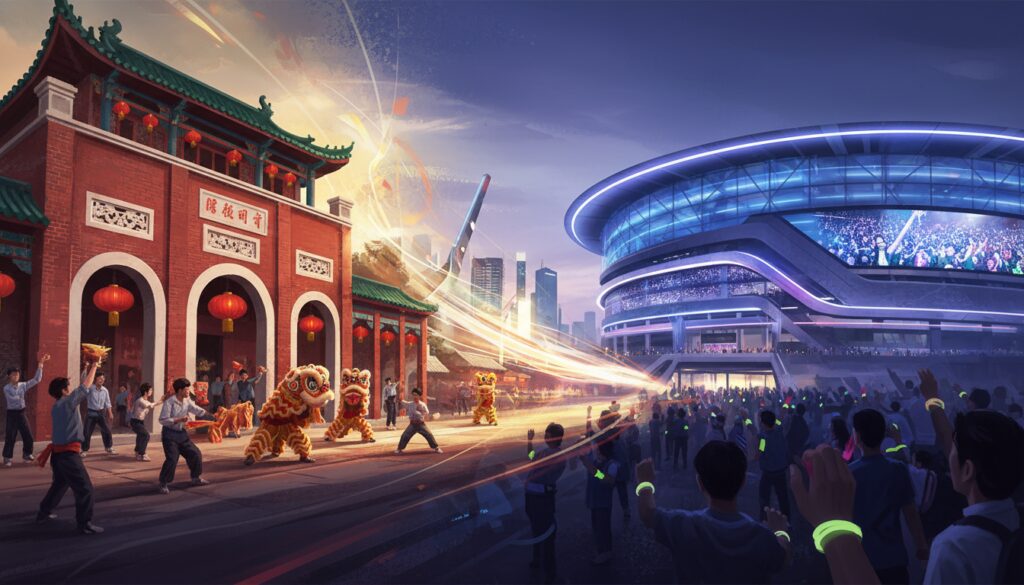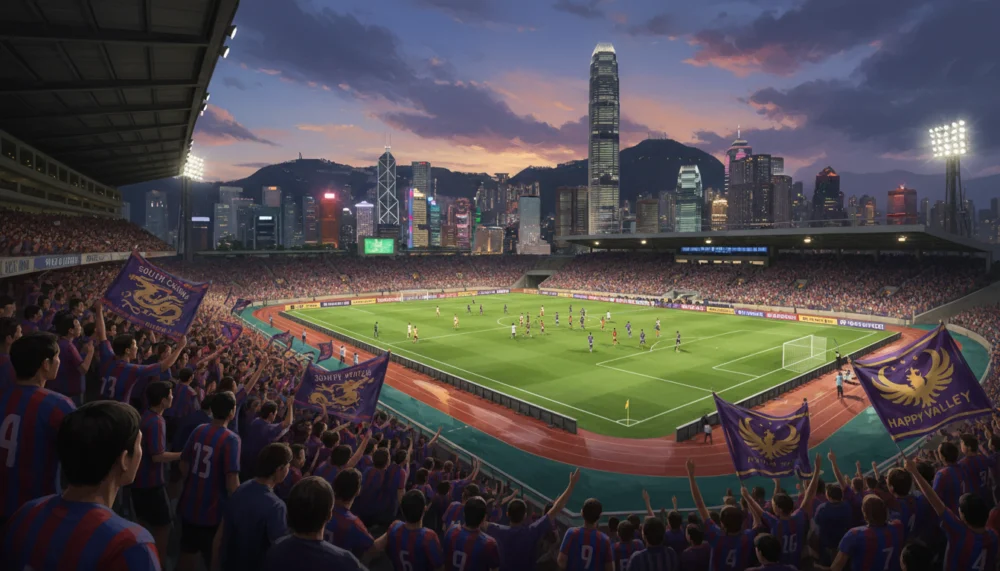
The history of football in Hong Kong is a rich tapestry woven with intense rivalries, legendary players, and shifting eras of dominance. For decades, the local league has been the heartbeat of the sporting community, providing a stage for clubs to assert their supremacy and capture the imagination of thousands of fans.
The Foundation of Local Rivalries
At the center of Hong Kong’s footballing identity is South China AA, often referred to as the “Caroliners.” Founded in the early 20th century, South China established itself as the people’s club, representing the local Chinese population. Their early success laid the groundwork for competitive structures that would define the sport for a century.
The Golden Age: South China vs. Eastern AA
The 1990s are often remembered as a golden age for Hong Kong football, dominated by the fierce competition between South China and Eastern AA. This era saw high attendance figures and a level of media coverage that rivaled international leagues, as both clubs spared no expense to secure the best local and foreign talent.
The 1991-1992 Season Peak
One of the most iconic moments in this rivalry occurred during the early 90s when Eastern, led by legendary figures, challenged the long-standing hegemony of South China. The matches between these two sides were more than just games; they were cultural events that divided the city, often filling the Hong Kong Stadium to its capacity.
The Professional Revolution: Seiko and Bulova
Before the 90s peak, the 1970s and 80s were defined by the emergence of Seiko and Bulova. These clubs introduced a new level of professionalism to the league, bringing in world-class foreign players such as Arie Haan and Benny Wendt. This era transformed Hong Kong into a regional football powerhouse.
International Influence on the Local Game
The rivalry between Seiko and Bulova was characterized by tactical sophistication and financial muscle. Seiko’s record of nine consecutive league titles remains a benchmark of excellence, while Bulova’s shorter but impactful stint forced other clubs to modernize their training and recruitment strategies.
The Modern Era: Kitchee SC and the New Guard
In the 21st century, the landscape shifted toward Kitchee SC. Since the mid-2000s, Kitchee has redefined the professional standards of the Hong Kong Premier League (HKPL) through their commitment to a specific playing style and the establishment of the Kitchee Centre for youth development.
The Emergence of Lee Man
While Eastern remained a consistent threat, a new rival emerged in the form of Lee Man. Backed by significant investment, Lee Man has quickly risen to challenge Kitchee’s dominance, creating a modern “Big Three” dynamic that keeps the league competitive and unpredictable.
The Cultural Impact of Club Derbies
The intensity of these rivalries extends beyond the pitch and into the stands. The atmosphere at Mong Kok Stadium during a “Classico” or a top-of-the-table clash is electric, with fan groups creating elaborate displays and chants that reflect the unique identity of each club.
- The South China vs. Eastern Derby: Historically the most significant match in the city.
- The Kitchee vs. Eastern Rivalry: A modern battle for silverware and AFC competition spots.
- The District Derbies: Localized matches like those involving Wofoo Tai Po or Yuen Long.
Tactical Evolutions Through Competition
Competition has always been the primary driver of tactical evolution in Hong Kong. The need to overcome rivals like Kitchee has forced coaches to adopt modern pressing systems, data analytics, and specialized fitness regimes, raising the overall standard of the Hong Kong Premier League.
Youth Development as a Battleground
Today, the rivalry between clubs is fought as much in the academies as it is on the field. Clubs realize that sustainable success depends on producing local talent, leading to a “facilities race” where top teams compete to provide the best environment for the next generation of Hong Kong internationals.
The Future of Competitive Eras in HK
As Hong Kong football continues to navigate the challenges of the modern sporting world, the rivalries that defined its past provide the blueprint for its future. Whether it is the classic battles of the Caroliners or the high-tech clashes of the modern era, these rivalries remain the lifeblood of the sport in the city.