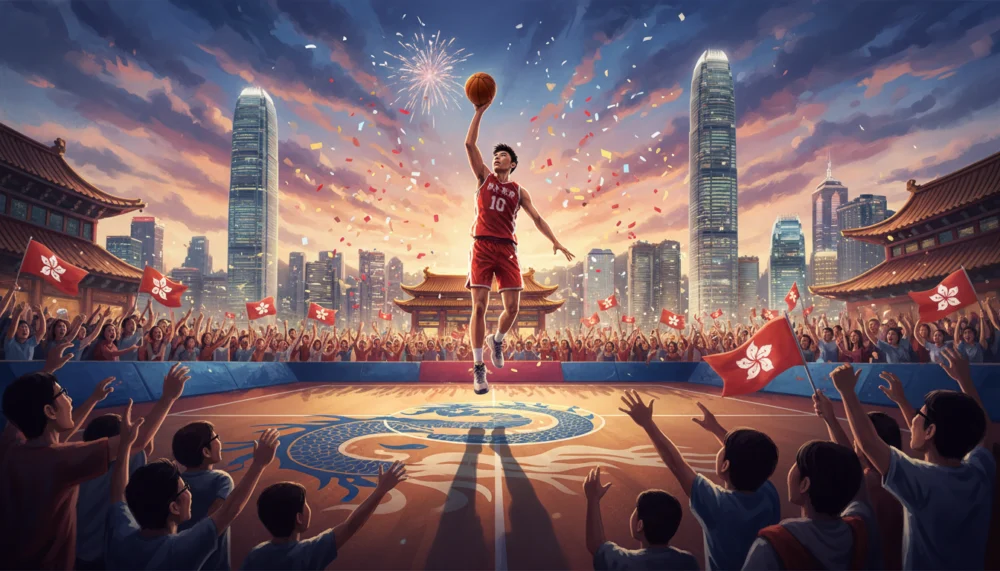
The Path to Glory: Understanding the Transition
The journey of an athlete in Hong Kong is often defined by a pivotal moment: the transition from being a promising junior prospect to a seasoned national representative. This evolution is not merely about age; it involves a profound shift in mindset, physical capability, and social responsibility.
The Foundation of Success at the Junior Level
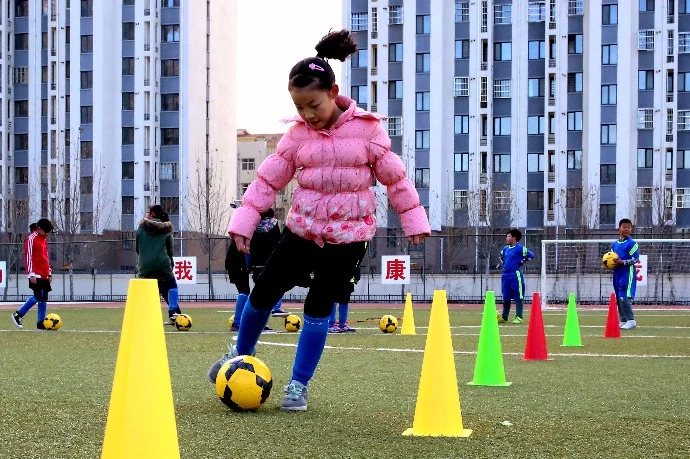
Most of Hong Kong’s sporting icons began their journey within the robust youth development programs supported by the Hong Kong Sports Institute (HKSI). At this stage, the focus is on identifying raw talent and nurturing basic technical skills.
Junior stars often dominate local age-group competitions, gaining confidence and early recognition. However, the step up to the senior level is where the true challenge begins, as the competition pool expands from local peers to international titans.
Bridging the Gap: The Hong Kong Sports Institute’s Role
The HKSI serves as the backbone for athletes making this leap. By providing world-class facilities and specialized coaching, it ensures that young talents are not left to navigate the professional world alone.
Support systems include:
- Elite training programs tailored for senior transitions.
- Access to sports science and biomechanical analysis.
- Financial grants to support full-time training schedules.
- Medical and psychological support for injury prevention and mental health.
The Psychological Shift: From Talent to Professionalism
One of the most significant hurdles is the mental transition. A junior star is often praised for their potential, but a national hero is judged on their performance and consistency.
Mental toughness becomes a prerequisite. Athletes must learn to handle the weight of expectations from a city that increasingly looks toward sports for national pride and identity.
Physical Evolution and High-Performance Training
The physical demands of senior sports are significantly higher than those of junior circuits. To compete on the global stage, Hong Kong athletes must undergo rigorous physical conditioning.
This involves:
- Increased training volume and intensity.
- Strict nutritional protocols to optimize performance and recovery.
- Advanced recovery techniques, including cryotherapy and specialized physiotherapy.
Navigating the International Senior Circuit
For many, the first few years on the senior circuit are a reality check. Competing in World Cups, Grand Prix, or Continental Championships exposes athletes to different styles of play and higher levels of strategic depth.
Gaining ranking points is essential for qualifying for major events like the Asian Games or the Olympics. This requires a strategic approach to competition schedules and peak performance management.
Learning from Icons: Siobhan Haughey and Edgar Cheung Ka-long
Hong Kong’s recent success stories provide a blueprint for the next generation. Athletes like Siobhan Haughey in swimming and Edgar Cheung Ka-long in fencing have shown that it is possible to transition from local junior dominance to Olympic podiums.
Their success is built on resilience. Both athletes faced setbacks and injuries during their transition years but remained committed to their long-term goals, eventually becoming household names.
The Importance of Academic and Career Dual-Tracking
In Hong Kong, the pressure to succeed academically often conflicts with professional sports. However, the introduction of the Student-Athlete Learning Support and Admission Scheme has helped bridge this gap.
This allows athletes to pursue higher education while maintaining a rigorous training schedule, ensuring they have a career path after their sporting peak, which reduces the anxiety of transitioning to full-time sports.
Community Support and the Rise of National Pride
The transformation into a national hero is completed when the public embraces the athlete. In recent years, Hong Kong has seen a surge in sports fever, with thousands gathering to watch live screenings of major events.
Public visibility and media coverage play a crucial role. When an athlete transitions successfully, they become more than just a player; they become a symbol of Hong Kong’s Lion Rock spirit of perseverance.
The Role of Corporate Sponsorships
As an athlete moves into the senior ranks, corporate partnerships become vital. These sponsorships provide the financial stability needed to focus entirely on training without the distractions of financial insecurity.
Technical Mastery and Strategic Maturity
Beyond physical strength, the senior level requires a higher sports IQ. Athletes must become students of their game, analyzing opponents’ weaknesses and adapting their strategies in real-time.
Coaching continuity is often key here. Maintaining a strong relationship with a mentor who understands the athlete’s journey from the junior level can provide the necessary stability during turbulent transition periods.
Overcoming the Sophomore Slump
Many athletes experience a plateau after their initial senior debut. Overcoming this sophomore slump requires a willingness to unlearn old habits and adopt more sophisticated techniques.
Global Exposure and Training Abroad
Many of Hong Kong’s top athletes spend significant time training at elite centers in Europe, the US, or Mainland China. This exposure to different training cultures is essential for reaching the elite tier.
The Impact of the Asian Games
For Hong Kong athletes, the Asian Games often serve as the ultimate proving ground before the Olympics. Success here is a major milestone in the journey toward becoming a national hero.
Consistency at the continental level builds the necessary confidence to face world-class athletes from other regions.
Conclusion: The Making of a Legend
Transitioning from a junior star to a national hero in Hong Kong is a marathon, not a sprint. It requires a unique blend of talent, institutional support, mental fortitude, and community backing.
As more young athletes look up to current stars, the pathway is becoming clearer, promising a bright future for Hong Kong’s presence on the global sporting stage.