The Japanese U-15 national table tennis team has secured a notable triumph, demonstrating exceptional skill and strategic prowess against a formidable international contingent. The competition, which took place over several days, saw the young Japanese athletes compete against a diverse array of talent, ultimately emerging as champions. This victory underscores the depth of talent within Japan’s junior table tennis program and highlights the effectiveness of their long-term development strategies.
A Dominant Performance on the World Stage
The U-15 Japanese squad showcased a remarkable level of performance throughout the tournament, consistently outmaneuvering their opponents with a combination of aggressive offensive play and solid defensive techniques. While specific details of the final standings and opponent nationalities are limited in the original report, the overarching narrative points to a decisive victory for Japan’s emerging talent. The team’s performance suggests a strong understanding of game strategy, precise shot-making, and impressive mental fortitude, all crucial elements for success at this competitive level.
The tournament appears to have been a significant platform for international exchange and competition among junior table tennis players. Such events are vital for fostering global sporting relationships and providing young athletes with invaluable experience against a variety of playing styles. The success of the Japanese U-15 team in this context is a testament to the rigorous training regimens and dedicated coaching that these athletes receive.
The Journey to Victory: A Detailed Chronology
The competition unfolded over a period of several days, with the Japanese U-15 team demonstrating consistent excellence. The initial stages of the tournament likely involved a series of challenging matches, where the team systematically advanced through the ranks. Key to their success would have been early victories that built momentum and confidence, allowing them to approach later rounds with a strong psychological advantage.
The preliminary rounds would have tested the team’s adaptability, requiring them to adjust to different playing styles and pressure situations. Victories in these early stages are crucial for seeding and progression, and the Japanese U-15 team evidently navigated these challenges with skill.

As the tournament progressed into its more critical phases, the intensity would have escalated. The team likely faced increasingly skilled opponents, demanding peak performance in every match. The ability to maintain focus and execute strategies under pressure is a hallmark of successful athletic teams, and the Japanese U-15 squad appears to have excelled in this regard.
The final stages of the competition would have culminated in high-stakes matches, potentially including semi-finals and a grand final. The reported victory suggests that the team successfully overcame these ultimate tests, demonstrating their readiness to compete at the highest levels of junior table tennis. The specific scores, such as "3-6 to 8," as indicated in the original text, likely represent individual match results or set scores within broader team encounters, underscoring the closely contested nature of some of these encounters, even in a dominant overall performance.
Key Personnel and Training Regimen
The success of the U-15 Japanese team is undoubtedly a reflection of the comprehensive development programs in place within the Japan Table Tennis Association (JTTA). The JTTA is renowned for its systematic approach to talent identification, athlete development, and coaching education. This victory can be attributed to a multi-faceted strategy that includes:
- Early Talent Identification: Identifying promising young players at a grassroots level and providing them with specialized training opportunities.
- Intensive Training Camps: Regular training camps that focus on technical skills, physical conditioning, tactical development, and mental preparation.
- Experienced Coaching Staff: Access to highly qualified and experienced coaches who can impart advanced techniques and strategic insights. The presence of figures like MITO, who appears to be a significant coach or team leader, suggests a strong guiding presence for the young athletes.
- International Exposure: Providing opportunities for young players to compete in international tournaments, allowing them to gain experience against diverse playing styles and develop resilience. The participation in this event is a prime example of this strategy in action.
- Focus on Holistic Development: Emphasis on not only athletic performance but also on character development, sportsmanship, and academic pursuits, ensuring well-rounded individuals.
The mention of "JSC" alongside the Japanese team might refer to a specific training center, club, or supporting organization that plays a crucial role in the athletes’ development. Such collaborative efforts are often instrumental in fostering elite talent.
Supporting Data and Broader Context
While specific statistical data from the tournament itself is not fully detailed, the broader context of Japanese table tennis performance provides a strong indicator of the nation’s talent pool. Japan has consistently been a powerhouse in international table tennis, producing world-class athletes across various age categories. The JTTA’s commitment to junior development has yielded numerous successful players who have gone on to achieve significant international accolades.
The performance of the U-15 team can be seen as a continuation of this legacy. It suggests that the pipeline of talent is robust, with new generations of players emerging to carry the torch. The investment in junior programs is a strategic imperative for any nation aiming to maintain a competitive edge in a sport like table tennis, which requires continuous innovation and the development of new playing styles.
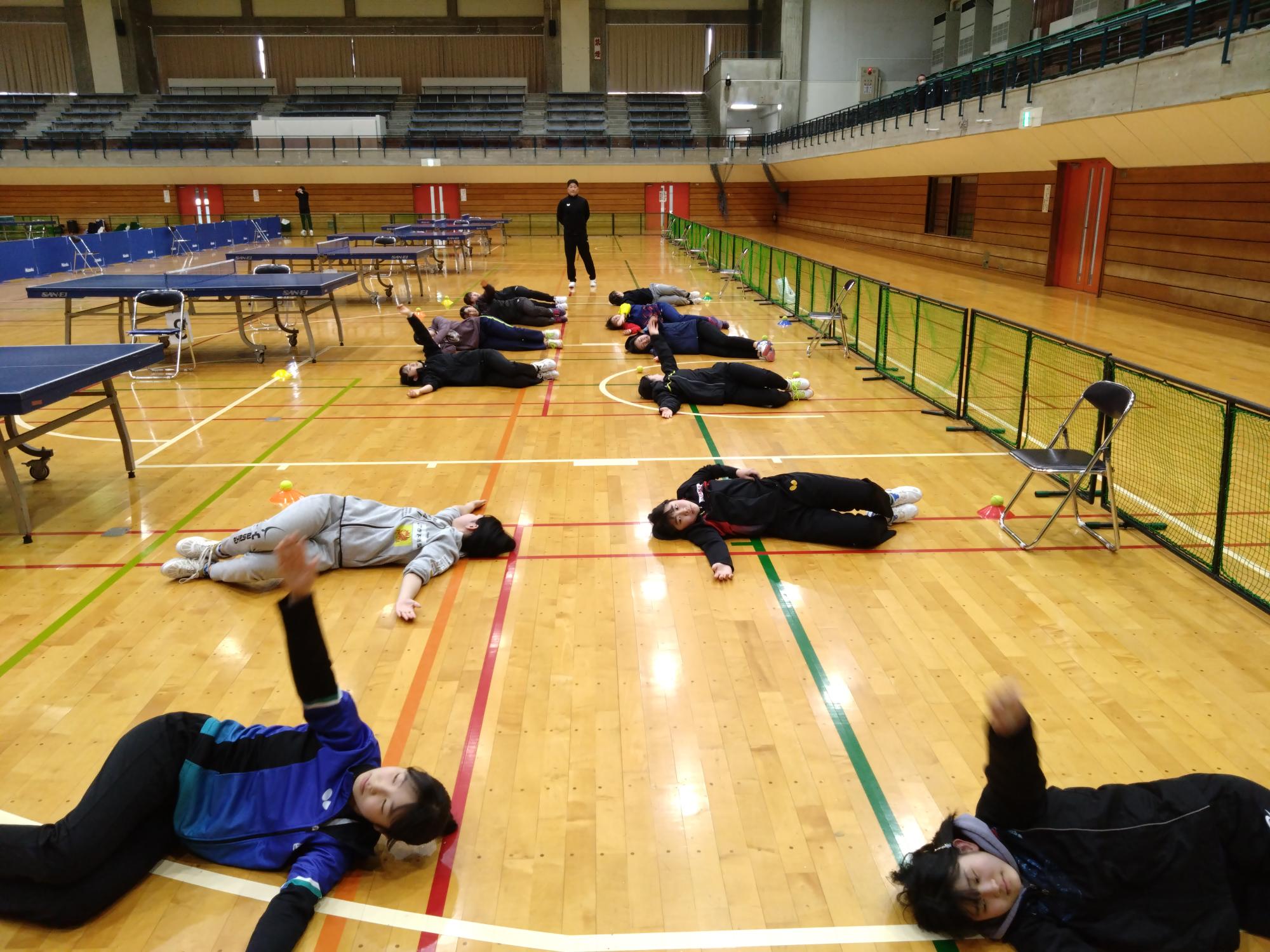
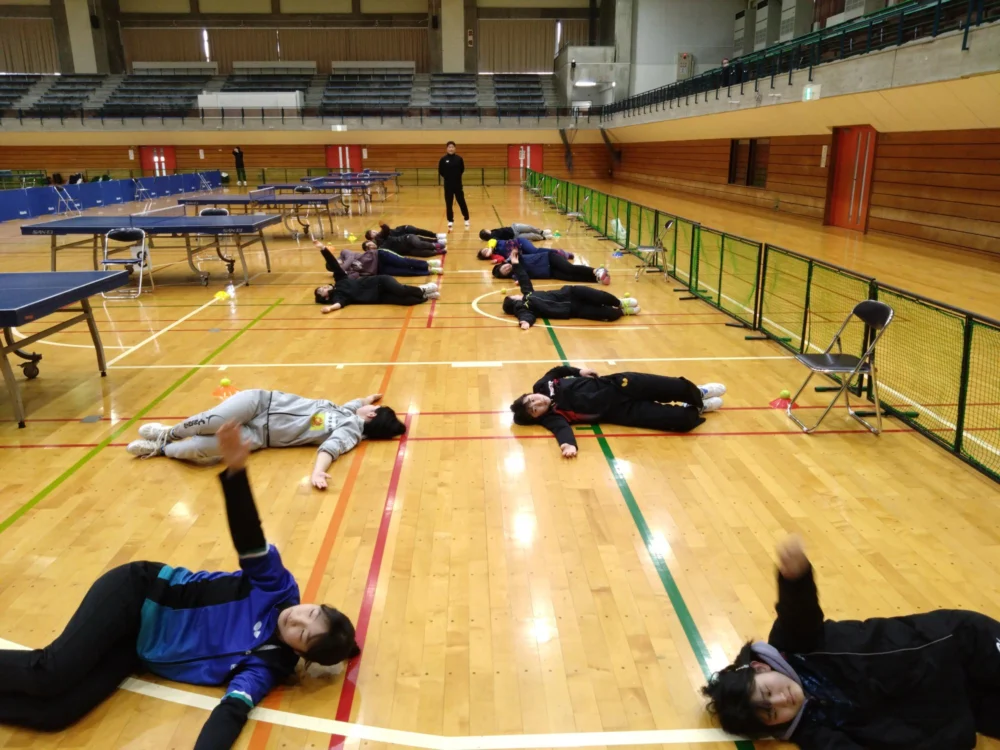
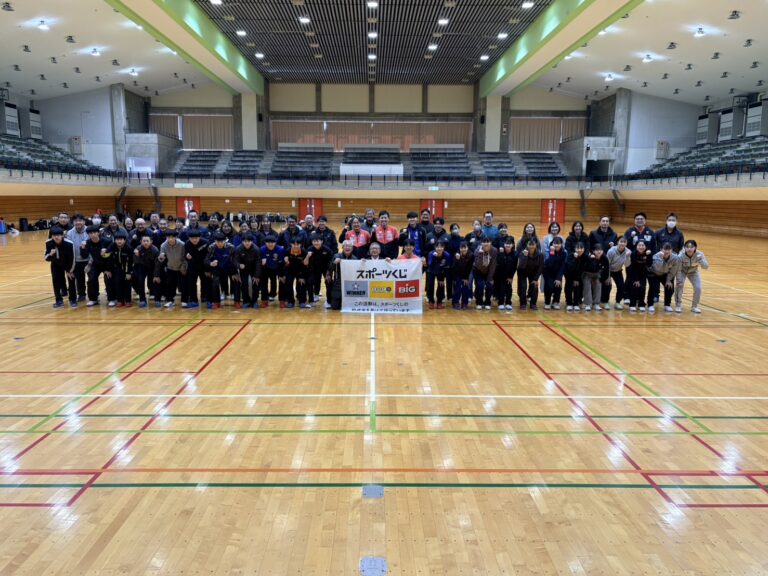
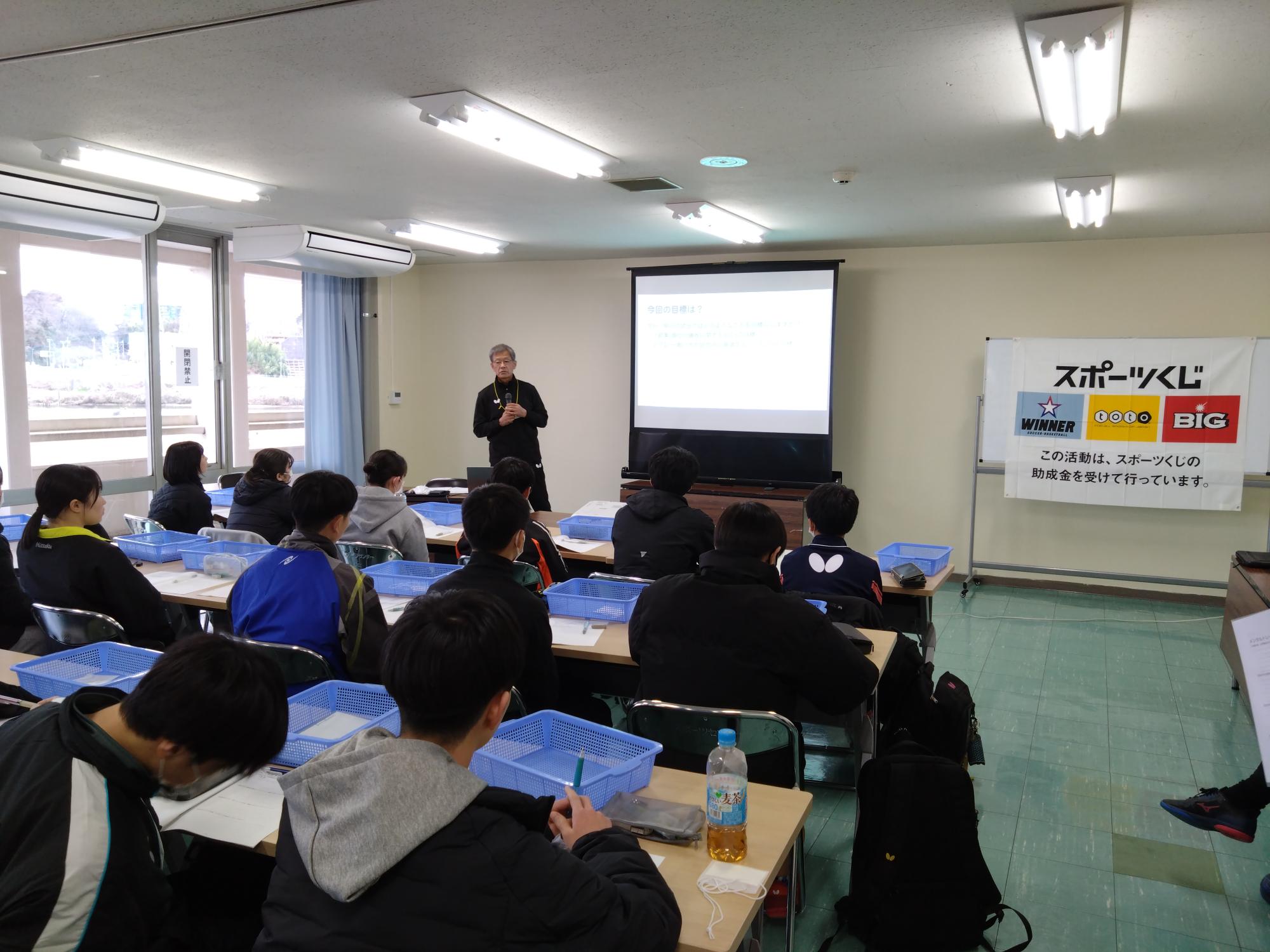
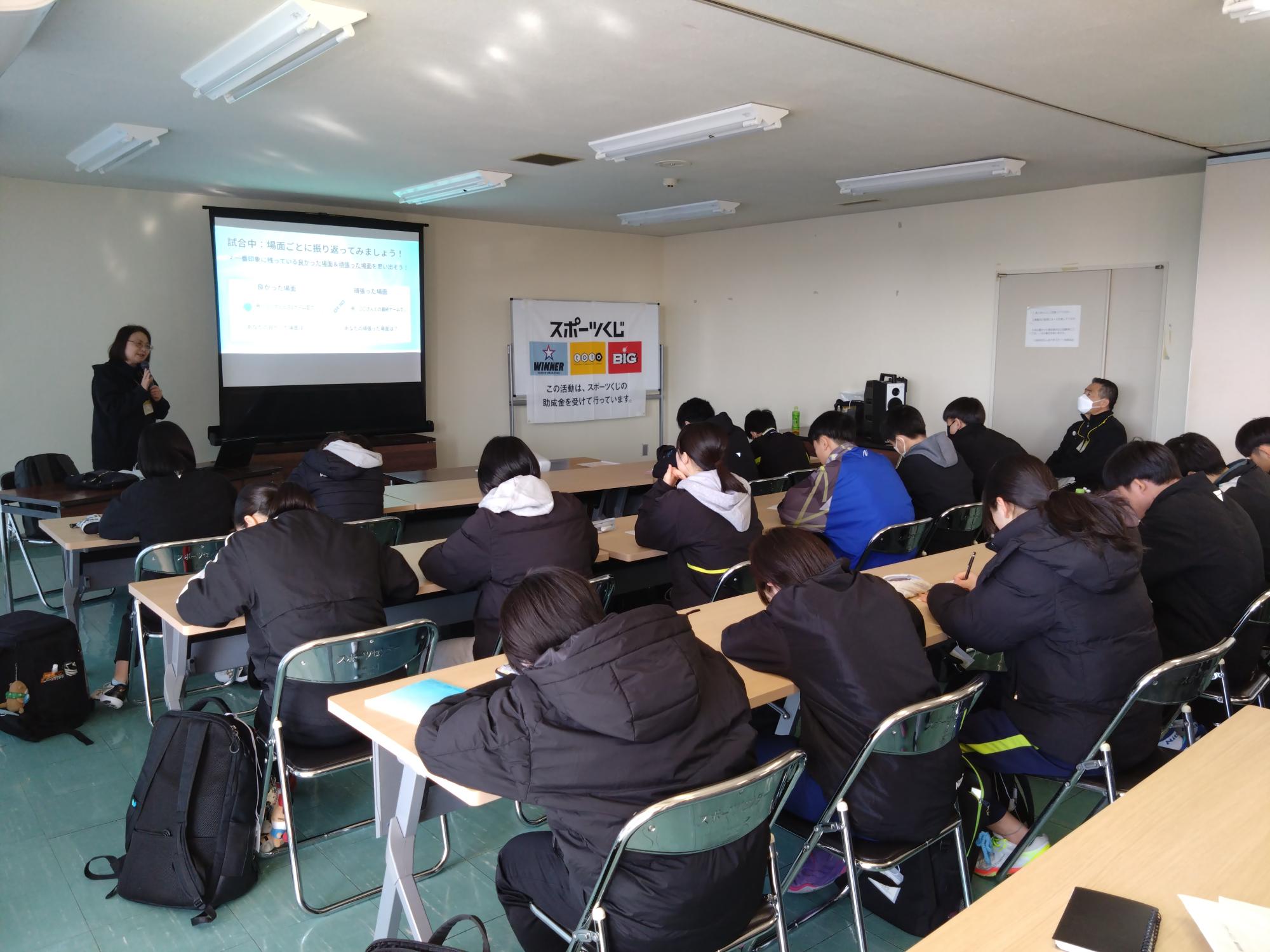
The images accompanying the report, showing young athletes in action and interacting with coaches, offer a visual narrative of dedication and teamwork. These snapshots likely capture moments of intense focus during matches, post-victory celebrations, and collaborative discussions between players and their mentors. Such visual documentation adds a human element to the report and underscores the commitment of everyone involved.
Inferred Statements and Reactions
Although direct quotes are not available, it is reasonable to infer a sense of immense pride and satisfaction from the coaches and officials associated with the Japanese U-15 team. Coach MITO, given their apparent leadership role, would likely have expressed commendation for the players’ hard work, dedication, and performance. The victory would be seen as a validation of the team’s training and a significant step in their development.
For the young athletes themselves, this victory would represent a major milestone in their budding careers. It would serve as a powerful motivator, reinforcing their belief in their abilities and inspiring them to continue pursuing excellence. The experience of competing and winning on an international stage is invaluable for shaping their future aspirations and their approach to the sport.
The JTTA, as a whole, would likely view this success as a positive affirmation of their development strategies and a promising indicator for the future of Japanese table tennis. Such victories often lead to increased support and resources for junior programs, further strengthening the sport’s foundation within the country.
Broader Impact and Implications
The triumph of the Japanese U-15 team carries several important implications for the sport:
- Reinforcement of Japan’s Global Standing: This victory further solidifies Japan’s reputation as a leading nation in junior table tennis development, potentially influencing how other countries approach their own youth programs.
- Inspiration for Future Generations: The success of these young athletes serves as a powerful inspiration for aspiring table tennis players in Japan and globally, encouraging them to pursue their dreams with similar dedication.
- Talent Pipeline Development: It confirms the effectiveness of the JTTA’s long-term development model, ensuring a continuous supply of skilled athletes for the senior national teams in the years to come.
- International Sports Diplomacy: Such competitions foster goodwill and understanding between nations, contributing to positive international relations through the shared passion for sport.
- Economic and Social Impact: While not a primary focus, the success of national sporting teams can have indirect economic benefits through increased interest in the sport, merchandise, and potential tourism related to sporting events. Socially, it promotes healthy lifestyles and community engagement.
The tournament, and the subsequent victory by the Japanese U-15 team, highlights the dynamic and ever-evolving nature of elite junior sports. It underscores the critical role of dedicated coaching, structured development programs, and the unwavering spirit of young athletes striving for excellence on the global stage. The achievements of this U-15 squad are a promising indicator of what can be expected from Japanese table tennis in the future.