In an increasingly competitive landscape for athletic development and personal fitness, Power Pong robots have emerged as a significant disruptor in table tennis training, garnering widespread acclaim from users for their sophisticated technology, intuitive control, and versatile application. These advanced robotic systems, controlled seamlessly via smartphone applications, are lauded for their ability to deliver highly customized training sessions, catering to a spectrum of users from aspiring professionals to recreational players and even those seeking innovative rehabilitation tools. The consistent feedback highlights the robots’ capacity to program virtually any spin, drill, placement, trajectory, and speed, transforming solo practice into a dynamic and highly effective training experience.
Unpacking Power Pong Technology: Precision Meets Intuition
At the core of the Power Pong system lies a commitment to precision engineering and user-centric design. Users consistently praise the "beast-like" performance, as noted by Ron, a satisfied Power Pong user, who emphasizes the complete control available directly through a smartphone. This mobile integration is a critical differentiator, allowing players to design and execute complex drills with unparalleled ease. The accompanying app, described by Tom, a Power Pong Omega user, as "impressive" and "extremely intuitive," simplifies the programming of routines, making advanced training accessible even to those less technically inclined. This intuitive interface enables users to manipulate every variable of ball delivery, including different spins (topspin, backspin, sidespin, and even no-spin, as highlighted by Caleb), precise placements across the table, varied trajectories, and adjustable speeds. The ability to combine these features within a single drill, as Sergiy points out, offering "different spins, placements, trajectories, and speeds in the same drill," elevates the training experience beyond what traditional, less sophisticated robots can provide. Javcolin, a verified customer, further confirms this, stating the app is "easy to use and very intuitive and user friendly; you can change any exercise with ball placement, trajectory, and spin." This level of granular control ensures that training sessions can be tailored to address specific weaknesses, reinforce particular techniques, or simulate real-game scenarios with remarkable accuracy.
Transformative User Experiences: From Elite Training to Holistic Wellness
The testimonials paint a comprehensive picture of how Power Pong robots are not just improving table tennis skills but also contributing to broader health and wellness objectives.
-
Elevated Skill Development: For dedicated table tennis players, the Power Pong robot is a game-changer. Caleb, who has been using his machine since the beginning of COVID-19, appreciates its benefits for "backhand openings" and the flexibility to apply "any spin, even no spin on any ball." Ayush echoes this sentiment, valuing the "many different settings" that provide "such a versatile training session" and the ability to "adjust the robot to fit my needs." This adaptability allows players to simulate diverse opponents and scenarios, fostering rapid skill acquisition and refinement. Sergiy and Javcolin reinforce the robot’s capacity for complex drills, enabling players to work on nuanced aspects of their game, from serve returns to offensive shot sequences.
-
Beyond the Table: Cardio and Rehabilitation: Perhaps one of the most compelling insights comes from Tom, who not only uses the robot for training but also as a "cardio workout device," advocating for its inclusion in "rehab centers everywhere." He notes that it "takes the boredom out of cardio workouts and keeps the mind occupied, the time flies." This observation opens a new dimension for the Power Pong’s utility, positioning it as an engaging tool for physical therapy and general fitness, particularly for individuals seeking low-impact, mentally stimulating exercise. The repetitive yet varied nature of table tennis, combined with the robot’s programmable sequences, can offer significant benefits for motor skills, hand-eye coordination, and cardiovascular health, making it an ideal candidate for therapeutic applications.
-
Accessibility and Family Engagement: The Power Pong’s appeal extends across generations. Vicky purchased a robot for her dad, who "loves it," and Joe highlights his "little boy" enthusiastically using the machine. This demonstrates the product’s capacity to engage diverse age groups, fostering family activity and introducing younger players to the sport in an exciting and interactive way. The ease of setup, as Joe mentions ("I finally got the Power Pong setup and it’s great!"), ensures that even less tech-savvy individuals or families can integrate it into their routine without significant hurdles.
-
Unwavering Customer Support: A recurring theme in user feedback is the exceptional customer service. Vicky specifically commends "Coach Attila" for providing "excellent" support, while Joe expresses gratitude for "all your help with everything." In an era where technological products can often be complex, strong customer support is paramount, ensuring users can maximize their investment and troubleshoot any issues effectively. This commitment to service enhances the overall value proposition of the Power Pong brand.
-
Value as an Investment: While Sergiy acknowledges that the robot "might be on the expensive side," he quickly qualifies this by stating it’s "hard to underestimate all the features it has." Javcolin succinctly puts it: "not cheap but worth every single penny." This collective sentiment underscores that despite the initial cost, the comprehensive features, durability, and significant training advantages provided by Power Pong robots justify the investment for serious players and those committed to long-term athletic development or fitness goals. In a market where quality often commands a premium, Power Pong appears to deliver on its promise of value through performance and longevity.
The Evolution of Table Tennis Training and Market Context
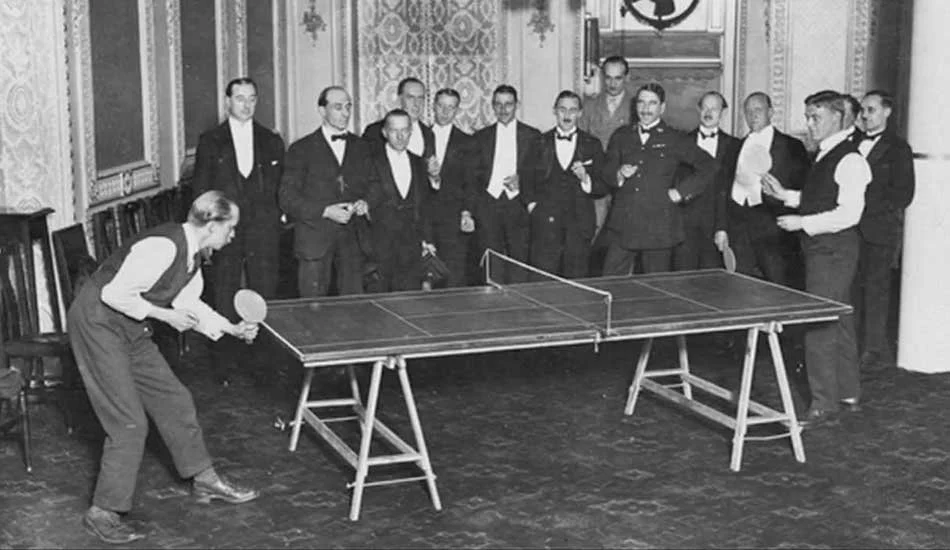
The emergence of sophisticated table tennis robots like Power Pong reflects a broader trend in sports technology: the integration of advanced robotics, artificial intelligence, and mobile connectivity to personalize and optimize training. Historically, table tennis training relied heavily on human coaches and repetitive drills. While invaluable, human coaching can be costly and time-consuming, and consistent, high-intensity repetition of specific shots can be difficult to achieve.
The global table tennis market has witnessed steady growth, fueled by its popularity as an Olympic sport and its accessibility as a recreational activity worldwide. Estimates suggest the global table tennis equipment market alone is valued in the hundreds of millions of dollars, with a growing segment dedicated to advanced training aids. The demand for innovative tools that offer consistent, customizable, and challenging practice has naturally increased.
The COVID-19 pandemic, as implicitly referenced by Caleb, served as a catalyst for home-based fitness and training solutions. With limited access to clubs and coaches, athletes sought effective ways to maintain and improve their skills from home. Products like Power Pong, offering comprehensive training in a confined space, became particularly relevant during this period, demonstrating their resilience and adaptability to unforeseen global circumstances. This period accelerated the adoption of smart sports equipment, proving their utility beyond mere convenience.
Broader Implications and Future Outlook
The impact of Power Pong robots extends beyond individual skill enhancement, touching upon several significant implications for sports, health, and technology.
-
Democratization of High-Level Training: Power Pong robots contribute significantly to democratizing access to high-level table tennis training. Previously, specialized coaching and facilities were often prerequisites for advanced skill development. These robots allow players in remote areas, those with limited budgets for professional coaches, or individuals with unconventional schedules to access world-class practice routines anytime, anywhere. This accessibility can foster talent development in broader populations and geographic regions.
-
Integration into Sports Academies and Clubs: While beneficial for individual users, Power Pong robots also hold immense potential for integration into professional sports academies, university sports programs, and local table tennis clubs. They can serve as invaluable supplements to human coaching, allowing coaches to focus on strategic development while robots handle the repetitive, foundational drills. This hybrid approach can optimize training efficiency and accelerate player progression.
-
Pioneering Rehabilitation and Active Aging: Tom’s suggestion for rehab centers is a powerful vision. The engagement offered by table tennis, combined with the robot’s ability to control pace and complexity, makes it an ideal tool for physical therapy, especially for neurological conditions, orthopedic recovery, or maintaining cognitive function in older adults. The element of fun and challenge can significantly improve patient adherence to exercise regimens, a critical factor in successful rehabilitation outcomes. The mental stimulation of anticipating and reacting to varied ball deliveries also offers cognitive benefits, making it suitable for active aging programs.
-
The Future of Smart Sports Technology: Power Pong stands at the forefront of smart sports technology. As connectivity and AI continue to advance, future iterations could incorporate features like real-time performance analytics, adaptive learning algorithms that adjust drills based on player performance, and even virtual coaching interfaces. Such developments would further personalize the training experience, making it even more effective and responsive to individual needs. The seamless integration of hardware and an intuitive software application, as exemplified by Power Pong, sets a high standard for future innovations in sports training equipment.
In conclusion, the overwhelmingly positive feedback from a diverse user base underscores Power Pong’s success in developing a table tennis robot that is not merely a practice tool but a comprehensive training and wellness solution. Its advanced programmability, user-friendly app interface, robust build quality, and dedicated customer support have solidified its position as a premium, high-value investment. As the testimonials demonstrate, Power Pong robots are not just helping players hone their backhands or master complex spins; they are making fitness engaging, high-level training accessible, and potentially, contributing to innovative approaches in physical rehabilitation and active lifestyles for individuals across all ages and skill levels. The brand’s commitment to quality and user satisfaction promises a continued trajectory of influence in the evolving world of sports technology.