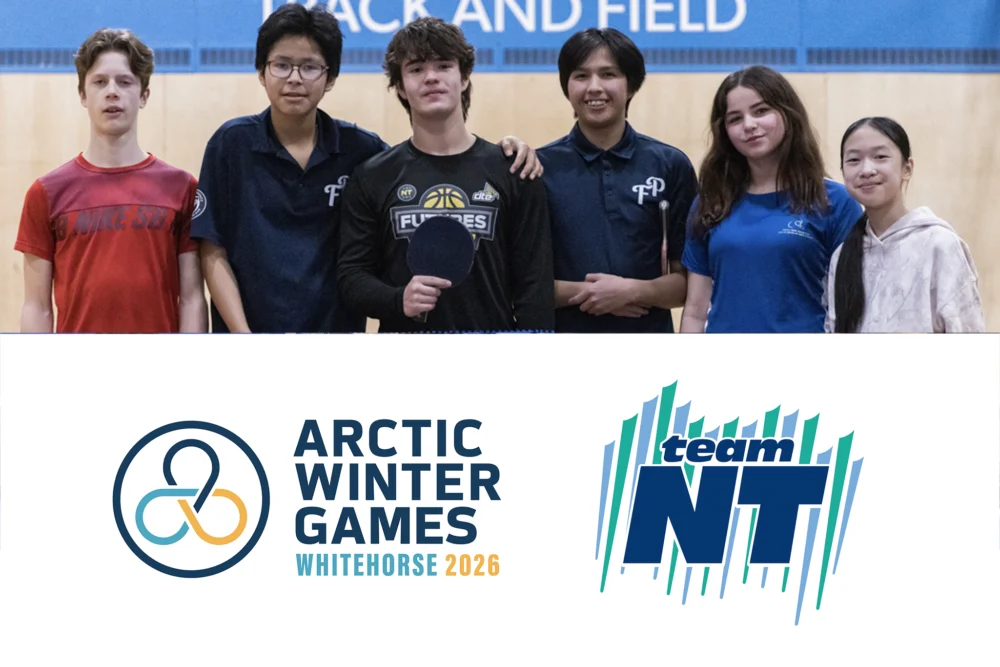
The sport of table tennis remains a cornerstone of the Arctic Winter Games (AWG), and as the 2026 edition in Whitehorse approaches, Team NT has officially launched its dedicated hub to coordinate the efforts of its athletes, coaches, and support staff. This central platform serves as the primary conduit for information regarding the Northwest Territories’ contingent, providing schedules, real-time results, and live-streaming access for a global audience. The 2026 Games represent a significant milestone for Northern athletics, marking a return to the Yukon’s capital, a city with a storied history of hosting circumpolar sporting events. For the athletes representing the Northwest Territories, the competition is more than a series of matches; it is a high-stakes opportunity to showcase the results of years of rigorous training while fostering cultural exchange with peers from across the circumpolar North.
Historical Context and the Evolution of the Arctic Winter Games
The Arctic Winter Games were established in 1970, born from a vision to provide Northern athletes with a competitive platform that mirrored the scale of national and international competitions but remained tailored to the unique geographic and cultural realities of the North. Since the inaugural games in Yellowknife, the event has grown into the world’s largest multisport and cultural youth event for the circumpolar North. Whitehorse, the host city for 2026, has a long-standing tradition of excellence in managing large-scale athletic events, having hosted the AWG multiple times as well as the Canada Winter Games.
Table tennis was introduced to the AWG program in the early years of the competition’s expansion. Unlike the high-velocity, professional circuits seen in the Olympic Games, table tennis at the AWG emphasizes a blend of technical precision and sportsmanship. It is one of the few sports in the Games that allows for intense individual focus while contributing to an overall team standing. For the 2026 cycle, the inclusion of table tennis highlights the sport’s accessibility and its growing popularity in smaller communities outside the major territorial hubs.
The 2026 Team NT Table Tennis Roster
The selection process for Team NT is notoriously rigorous, requiring athletes to demonstrate not only technical proficiency but also the mental fortitude required for international-level competition. The 2026 roster features a mix of seasoned competitors from Yellowknife and rising talents from smaller communities such as Fort Providence, reflecting the Sport North Federation’s commitment to territorial inclusivity.
U18 Boys Division
The U18 Boys division will be represented by Giordano Dacorte and Cooper White, both hailing from Yellowknife. As the senior members of the youth squad, Dacorte and White carry the expectation of leadership. The U18 category is often the most scouted, as these athletes are frequently on the cusp of transitioning into collegiate or adult competitive circuits. Their preparation involves high-intensity interval training and tactical analysis of opponents from rival contingents such as Alaska, Yukon, and Greenland.
U15 Girls Division
In the U15 Girls division, Kathleen Cai and Karissa Sadowick, also from Yellowknife, have secured their spots on the team. The development of female athletes in table tennis has been a priority for the Northwest Territories Table Tennis Association. Cai and Sadowick represent the next generation of talent, benefiting from enhanced coaching structures and increased access to regional tournaments that have bridged the gap between local play and international standards.
U15 Boys Division
Representing the community of Fort Providence are Kaleb Sabourin and Calin Landry in the U15 Boys division. The inclusion of athletes from Fort Providence is a testament to the grassroots development programs led by local coaches and educators. In smaller communities, table tennis often serves as a vital winter activity, providing a year-round outlet for physical fitness. Sabourin and Landry’s journey to the 2026 Games underscores the territorial strategy of diversifying the athletic talent pool beyond the capital city.
Coaching and Technical Leadership
The success of Team NT is underpinned by a coaching staff that brings both technical expertise and a deep understanding of the unique pressures faced by Northern athletes. For the 2026 Games, the team will be guided by Akiko Iwase of Yellowknife and Neilson Vandell of Fort Providence.
Akiko Iwase is recognized for her focus on the technical nuances of the game—service variation, footwork, and reactive speed. Her presence on the coaching staff provides the Yellowknife-based athletes with a sense of continuity. Conversely, Neilson Vandell brings a perspective rooted in community-based sports development. His role is critical in managing the logistics and psychological preparation of athletes from smaller locales, ensuring they are ready to perform on the large stage that the Whitehorse venues provide. Together, Iwase and Vandell form a balanced leadership duo capable of addressing the multifaceted needs of a diverse roster.
Logistics, Scheduling, and Digital Integration
The 2026 Arctic Winter Games will officially commence on March 8, 2026, with a grand Opening Ceremony scheduled for 7:30 PM. This event marks the beginning of a week-long intensive competition schedule. To accommodate the vast geographic distances between the fans in the Northwest Territories and the venues in Whitehorse, Team NT has prioritized digital accessibility.
A partnership with the Home Team Network ensures that all table tennis events will be available via live stream. This initiative is part of a broader trend in amateur sports to increase visibility and engagement through high-definition broadcasting. By providing a dedicated "Arctic Winter Games hub," the team ensures that families, supporters, and scouts can access real-time data. The digital infrastructure includes:
- Real-Time Results: Integrated through the GEMS.pro system, allowing for instantaneous updates on match scores and Ulu standings.
- Interactive Schedules: A dynamic Google Sheets-based schedule that adapts to any logistical changes or delays during the tournament week.
- Social Media Connectivity: Direct links to the official AWG 2026 and Team NT social media platforms (Facebook, Instagram, TikTok) to provide behind-the-scenes content and athlete interviews.
The Significance of the "Ulu" and Competitive Structure
In the Arctic Winter Games, the traditional medal system is replaced by the "Ulu," a representation of the traditional all-purpose knife used by Inuit, Inuvialuit, and Yup’ik peoples. Gold, Silver, and Bronze Ulus are awarded to the top three finishers in each category. For table tennis, the competition is structured into individual singles, doubles, and team events.
The competitive landscape for 2026 is expected to be fierce. Historically, the Northwest Territories has faced stiff competition from Alaska and Yukon, both of which boast robust table tennis programs. Additionally, the international contingents from Greenland and Sápmi often bring unique styles of play that challenge the North American athletes’ defensive strategies. The 2026 Games will test Team NT’s ability to adapt to these varying styles under the pressure of a multi-day tournament format.
Economic and Social Impact of the Games
Hosting the 2026 Games in Whitehorse is projected to have a significant economic impact on the region. Previous iterations of the Games have generated millions of dollars in local spending, ranging from hospitality and tourism to infrastructure improvements. For the Northwest Territories, the investment in Team NT Table Tennis is seen as a social investment. Participation in the AWG is linked to improved health outcomes, higher educational engagement, and the development of "soft skills" such as resilience and teamwork among youth.
The "We Are All Team NT" slogan reflects a philosophy of collective identity. In a territory where communities are often separated by hundreds of kilometers of wilderness, the Arctic Winter Games serve as a unifying force. The table tennis team, with its members from both the urban center of Yellowknife and the smaller settlement of Fort Providence, embodies this territorial unity.
Analysis of Implications and Future Outlook
The 2026 Arctic Winter Games represent a critical juncture for Northern sport. As the world becomes increasingly connected, the AWG provides a platform to preserve and celebrate Northern culture while adhering to international athletic standards. For the sport of table tennis, the 2026 Games will likely serve as a catalyst for further growth. The visibility provided by the Home Team Network live stream is expected to inspire a new cohort of young players in remote communities, potentially leading to increased funding and facility development.
From a technical standpoint, the performance of the U15 athletes will be a key indicator of the health of the NWT’s developmental pipeline. If Sabourin, Landry, Cai, and Sadowick can secure podium finishes or demonstrate significant competitive growth, it will validate the current coaching and recruitment models utilized by Sport North.
As March 8, 2026, approaches, the focus of Team NT remains on final preparations. The athletes are currently engaged in localized training camps, refining their techniques and building the stamina required for the grueling schedule in Whitehorse. With the support of their communities and a robust digital platform to share their journey, the members of the Team NT Table Tennis squad are positioned to represent the North with distinction. The Arctic Winter Games remain a testament to the power of sport to bridge cultural divides and showcase the extraordinary talent residing within the circumpolar regions.