The arrival of a high-performance athlete in the sub-arctic often begins with a visceral realization of the geographical shift, and for Canadian National Team member Ivy Liao, that moment occurred at 2:00 a.m. on the tarmac of the Yellowknife Airport. Stepping off the plane from the temperate climate of Vancouver, British Columbia, Liao was met with the piercing, crystalline cold that defines winter in the Northwest Territories. The immediate sensation of moisture freezing within her nostrils—a common phenomenon for those unaccustomed to temperatures plummeting well below the freezing mark—served as a stark introduction to the region. Yet, as Liao later reflected, this "cold welcome" was merely the environmental backdrop to what would become one of the most significant community engagement initiatives for table tennis in the territory’s recent history.
Liao, a Pan American Games medalist and a cornerstone of the Canadian National Women’s Table Tennis Team, did not travel to the North for a traditional competition. Instead, her visit was designed as a multi-faceted mission of mentorship, technical training, and community building. Her presence in the Northwest Territories (NWT) serves a dual purpose: providing elite-level coaching to Team NT athletes as they prepare for the upcoming Arctic Winter Games (AWG) and conducting a series of outreach programs aimed at fostering physical literacy among the youth of the North.
The Professional Trajectory of Ivy Liao
To understand the impact of Liao’s visit, one must consider her standing within the international sporting community. As a representative of Vancouver and a seasoned veteran of the Canadian national circuit, Liao has spent years honing a skill set that combines lightning-fast reflexes with complex tactical strategy. Her success at the Pan Am Games solidified her status as a role model for aspiring athletes across Canada. However, her transition from the international stage to the community gyms of Yellowknife highlights a commitment to the grassroots development of the sport.
Table tennis, often perceived by the public as a recreational pastime, is an Olympic-level discipline that requires immense cardiovascular endurance and mental acuity. By bringing her expertise to the NWT, Liao is helping to bridge the gap between regional play and national standards. For the young athletes of Team NT, observing the technique and discipline of a national medalist provides a tangible blueprint for their own athletic ambitions.
A Chronology of Engagement: From the Tarmac to the Gym
The schedule for Liao’s visit was meticulously planned to maximize her impact across different sectors of the community. Following her early morning arrival, she transitioned quickly into a rigorous itinerary of school visits and high-performance training sessions.
- Initial Orientation and Community Integration: Upon her arrival, Liao was integrated into the local sports culture, meeting with coaches and administrators to align her training methods with the specific needs of the Northern athletes.
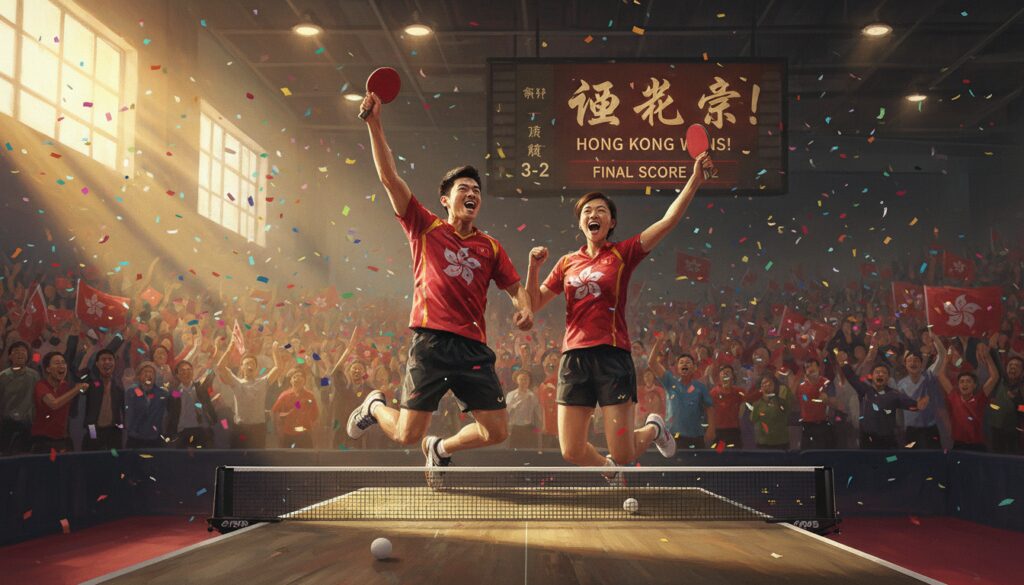
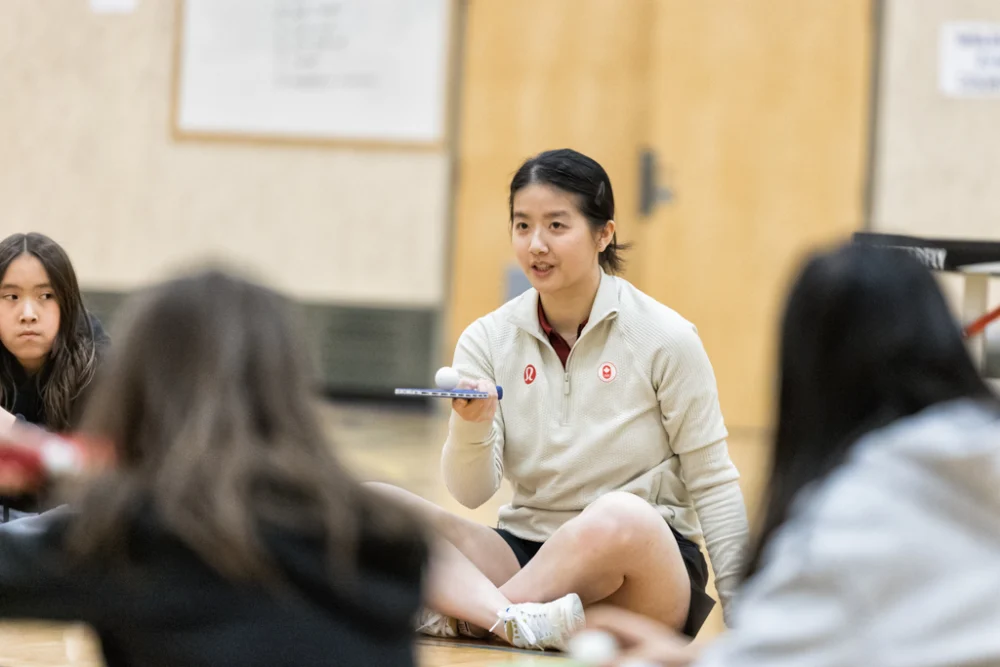
- School Outreach Programs: Throughout the week, Liao visited various educational institutions across Yellowknife. These sessions were not merely demonstrations; they were interactive workshops where students were introduced to the fundamentals of the sport—grip, stance, and the physics of spin.
- Team NT Intensive Training: Central to her visit was the preparation of the Table Tennis contingent for the Arctic Winter Games. These sessions focused on match strategy, psychological resilience, and the technical refinements necessary to compete against other circumpolar jurisdictions such as Alaska, Yukon, Greenland, and Sapmi.
- Community Open Sessions: Beyond organized sports and schools, Liao engaged with the broader public, reinforcing the idea that table tennis is a lifetime sport accessible to all ages and skill levels.
The Strategic Importance of the Arctic Winter Games
The Arctic Winter Games represent the pinnacle of multi-sport competition for the North. Established in 1970, the games were designed to provide Northern athletes with a competitive platform that recognizes the unique challenges of training in isolated, high-latitude environments. For Team NT, table tennis is a critical discipline where they have historically shown great promise.
The inclusion of an athlete of Liao’s caliber in the training cycle is a significant strategic move. The AWG are not just about medals; they are about cultural exchange and the promotion of healthy lifestyles in regions where the winter months can lead to sedentary behavior. Liao’s emphasis on "physical literacy"—the confidence and competence to move across a variety of physical activities—aligns perfectly with the mission of the AWG. By improving the technical proficiency of Team NT, Liao is also boosting the confidence of the athletes, which is often the deciding factor in high-stakes international competition.
Analytical Perspective: The Socio-Economic Impact of Sport in the North
The logistics of bringing a national athlete to the Northwest Territories are complex and require significant investment. However, the long-term benefits of such visits often outweigh the immediate costs. In remote regions, access to specialized coaching is frequently limited by geography. When an athlete like Liao visits, she provides a "force multiplier" effect: she trains the athletes, but she also inspires the local coaches, providing them with new drills and pedagogical approaches that remain in the community long after she has returned to Vancouver.
Furthermore, table tennis is an ideal sport for Northern development. Unlike ice hockey or skiing, which require expensive equipment and specific outdoor or refrigerated environments, table tennis can be played in any heated community hall or school gymnasium. The barrier to entry is low, but the ceiling for mastery is high. Liao’s message—that the sport fosters mental health and strategic thinking—is particularly resonant in communities looking for ways to engage youth during the long dark hours of the sub-arctic winter.
Collaborative Governance: The Role of the Mackenzie Recreation Association
The success of Liao’s tour is largely attributed to the collaborative efforts of regional organizations, most notably the Mackenzie Recreation Association (MRA). The MRA has been a vocal advocate for increasing the quality of recreation and sport in the NWT, focusing on outreach and the creation of sustainable partnerships.
By funding and organizing the logistics of Liao’s visit, the MRA has demonstrated a commitment to "equitable access." This ensures that students in smaller, more isolated communities have the same opportunities to interact with national icons as those in larger southern cities. While Liao’s primary base during this visit was Yellowknife, the ripples of her influence extend across the Mackenzie Valley as coaches from various communities take her lessons back to their respective clubs.
Official Responses and Community Sentiment
The reaction from the Yellowknife community has been one of overwhelming hospitality. Liao’s observation that the region is a "cold place with a warm community" has become a defining theme of the visit. Local school administrators have noted an uptick in interest in table tennis clubs following her visits, with many students expressing a newfound desire to pursue the sport competitively.
"The athletes and coaches are the stars of the show," Liao stated during a community address, "but there is so much going on behind the scenes. From the school administrators providing the space to the people organizing the funding, it is a collective effort." This sentiment reinforces the "Team NT" identity—a philosophy where the success of an individual athlete is seen as a victory for the entire territory.
Conclusion: The Legacy of a National Exchange
As Ivy Liao prepares to conclude her visit and return to her own training schedule, the impact of her time in the Northwest Territories remains visible. The Team NT table tennis players are now equipped with more sophisticated tactical approaches as they head toward the Arctic Winter Games. More importantly, hundreds of children have been exposed to a world-class athlete who emphasizes that sport is about more than just winning; it is about community, resilience, and personal growth.
The visit of a Pan Am medalist to the North is a reminder of the power of sport to bridge vast distances. In the freezing air of Yellowknife, a new generation of athletes has found warmth in the pursuit of excellence, guided by a national champion who saw not just a cold landscape, but a community ready to compete on the world stage. The legacy of this visit will be measured not just in the medal counts of future games, but in the enduring relationships and the strengthened "Team NT" spirit that Liao helped to cultivate.