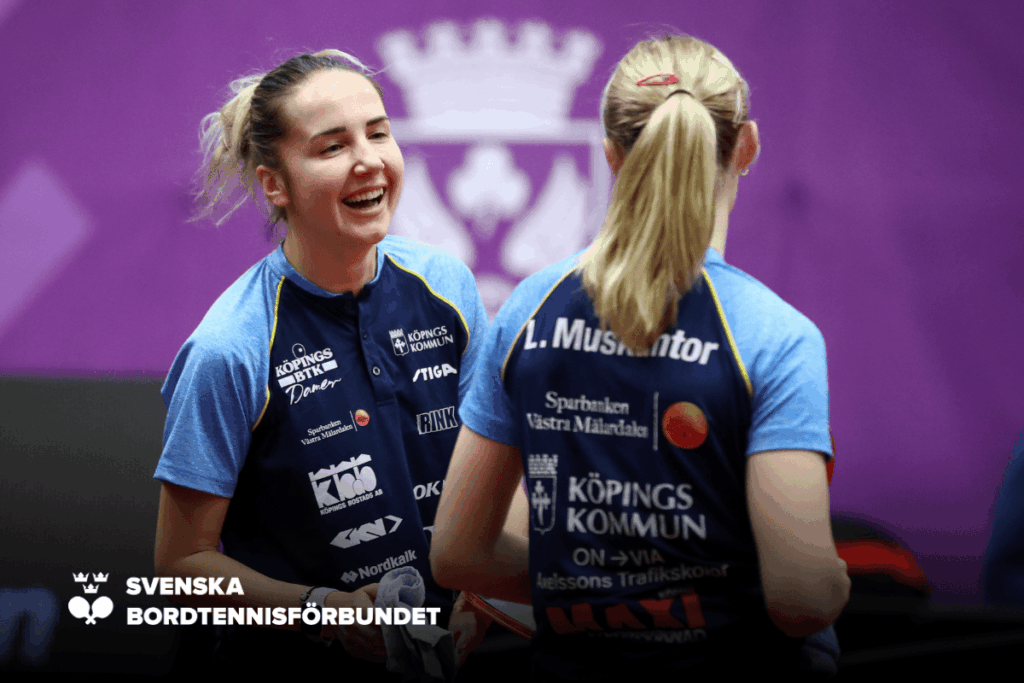
At its core, the primary driver behind players making contact with the table is the practical need to wipe away sweat. Table tennis is a high-intensity sport demanding rapid movements, precise control, and sustained concentration. This physical exertion inevitably leads to perspiration, which can accumulate on a player’s hands, particularly the palm and fingers. A damp grip on the paddle can be disastrous, compromising control, reducing the effectiveness of spin, and increasing the risk of mis-hits. The sophisticated rubbers used on modern paddles rely on their tackiness and friction for optimal performance, and even a thin film of moisture can drastically diminish these properties. Players often find themselves needing to adjust their grip after a powerful serve or during quick transitions between forehand and backhand strokes, and a secure hold is paramount.
The official regulations set by the International Table Tennis Federation (ITTF) allow players to towel off only every six points during a match. While this rule is designed to maintain the flow of play, it can be insufficient, especially in hot or humid conditions where sweat production is accelerated. This regulatory constraint creates a tactical void that table touching fills. Players will typically wipe their sweaty hands on the table surface, often near the net where the contact is least likely to interfere with the ball’s bounce or an opponent’s play. While some might consider this unsanitary, it is a quick and effective method for players to regain a dry grip without violating the official towel-break rules, thereby preserving their competitive edge. The practice highlights the extreme lengths athletes go to maintain peak performance, even resorting to unconventional methods dictated by the immediate demands of the game.
Beyond the physiological imperative, table touching frequently serves as a strategic maneuver to buy time or disrupt an opponent’s rhythm. In the fast-paced world of professional table tennis, mental fortitude is as crucial as physical prowess. A player might find themselves in a critical situation, perhaps facing a match point, or simply needing an extra moment to formulate their next strategy. A quick touch of the table provides a brief, permissible pause, allowing the player to collect their thoughts, visualize the upcoming shot, and recompose themselves under pressure. This brief interlude can be invaluable in a sport where milliseconds can dictate the outcome of a point.
Conversely, this tactic can also be employed offensively to break an opponent’s concentration or momentum. If an opponent is on a winning streak, "in the zone," or displaying exceptional focus, a subtle delay can be a powerful psychological tool. The brief interruption can pull them out of their flow state, causing them to lose rhythm, overthink their next move, or become slightly agitated. Unlike overt time-wasting, which can incur penalties, a quick table touch is a discreet and legal way to introduce a minor disruption, forcing the opponent to wait and potentially re-engage their focus. These tactical touches are often identifiable by their nature: players might lightly brush the table with their fingertips, a motion too fleeting to effectively wipe sweat, clearly signaling a different intent.
The third significant reason for table touching is simply habit. In elite sports, routines and rituals play a crucial psychological role. Athletes often develop highly specific pre-point or pre-serve routines that help them manage anxiety, enhance focus, and mentally prepare for the impending action. These routines can range from bouncing the ball a certain number of times, adjusting clothing, or, indeed, touching the table. What might begin as a conscious action to wipe sweat or buy time can, over time, become an unconscious, ingrained part of a player’s pre-shot ritual. For many professionals, this habitual touch provides a sense of familiarity and control in the high-pressure environment of competition, helping them to transition mentally from one point to the next. It becomes a personal anchor, a small, consistent action in a game of constant flux, contributing to a sense of readiness and composure.
While less common than the other reasons, touching the table can also be a subtle form of psychological warfare. When players deliberately walk around the table to wipe their hands, their movements can convey a sense of calm, confidence, and deliberate control. This composed demeanor, even if feigned, might be interpreted by an opponent as a sign of unshakeable self-assurance, potentially unsettling them. However, it is generally acknowledged that this is a relatively mild form of psychological intimidation compared to more overt tactics. Professional players more frequently employ verbal cues, such as the infamous "Cho-le" shout, exaggerated celebrations, or intense staring, to exert mental pressure. Nevertheless, the non-verbal communication inherent in a controlled, deliberate table touch can contribute to the overall psychological landscape of a match, adding another layer to the intricate mental battles fought alongside the physical ones.
The Regulatory Framework: ITTF Guidelines on Table Contact
Understanding the legality of touching the table is crucial for both players and spectators. The International Table Tennis Federation (ITTF) rules are specific about when and how a player can make contact with the playing surface. The fundamental principle is that players are generally permitted to touch the table when the ball is not in play. This means during breaks between points, after a rally has concluded, or before a serve is initiated, players have considerable freedom to touch the table with either hand or any part of their body.
However, a critical distinction exists concerning the non-playing hand during a rally. Rule 2.10.1.7 states that a player loses a point if their free hand (the non-playing hand) touches the playing surface. This rule is in place to prevent players from gaining an unfair advantage, such as steadying themselves, obstructing the ball, or interfering with the trajectory of the ball by inadvertently moving the table. Therefore, while wiping sweat or enacting a routine between points is permissible with the non-playing hand, any contact with it during an active rally immediately results in a lost point.
Conversely, touching the table with the playing hand (the hand holding the racket) is generally allowed, even during a rally, as long as it does not deliberately move the table or interfere with the ball. This distinction is often a point of confusion for casual viewers but is vital for understanding the nuances of the game’s regulations. The rationale behind this difference likely stems from the fact that the playing hand is already engaged with the racket and its movement is intrinsically linked to striking the ball, making incidental contact less likely to confer an unfair advantage compared to the free hand. Players might, for example, lean slightly on the table with their playing hand after an aggressive shot, as long as it doesn’t move the table or impact the game’s flow.
Historical and Cultural Integration: A Sport’s Evolving Etiquette

The practice of touching the table has not emerged overnight; it has gradually solidified its place within table tennis culture over decades. As the sport evolved from a casual pastime to a highly competitive athletic endeavor, players continually sought ways to optimize their performance, both physically and mentally. The need for a dry grip, the strategic value of pauses, and the psychological comfort of routines are not new phenomena in sports. As table tennis gained prominence, particularly in Asia and Europe, these practices became more formalized, observed, and eventually, integrated into the unwritten etiquette of the game.
Observing professional matches from different eras reveals the consistency of this practice, even as equipment and playing styles have changed dramatically. While there isn’t a definitive historical marker for when table touching became widespread, its ubiquitous presence in modern professional play, from local tournaments to Olympic finals, attests to its deep cultural entrenchment. It’s a testament to how athletes adapt their behavior within the rules to gain every possible advantage, transforming a simple gesture into a complex interplay of practicality, strategy, and psychology. The sight of a top player making a quick, deliberate touch on the table before a crucial serve is now as much a part of the sport’s visual language as the fierce rallies themselves.
Broader Implications and Player Perspectives
The multifaceted reasons behind table touching underscore the intricate blend of physical, mental, and strategic elements that define table tennis. For players, these small actions are not mere idiosyncrasies but vital components of their performance toolkit. They represent micro-adjustments that, when accumulated over a match, can significantly influence outcomes. A perfectly dry grip can mean the difference between a winning smash and a costly error. A well-timed pause can shift momentum in a tight game. A consistent routine can calm nerves and sharpen focus under immense pressure.
From a coaching perspective, these actions are often observed and sometimes even encouraged as part of a player’s overall game management. Coaches understand the psychological benefits of routines and the practical necessity of managing physical conditions like sweat. While they might not explicitly teach "how to touch the table," they certainly emphasize the importance of maintaining composure, staying focused, and adapting to game conditions, all of which can be facilitated by this practice.
For spectators, recognizing these underlying reasons adds another layer of appreciation for the sport. What might appear as a casual gesture is, in fact, a deliberate action loaded with purpose, reflecting the intense demands and strategic depths of table tennis. It transforms a seemingly minor detail into a fascinating insight into the mind and body of an elite athlete.
Frequently Asked Questions
Can You Touch the Table in Ping Pong With Your Playing Hand?
Yes, you can touch the table with your playing hand (the hand holding the racket) at any time, even during a rally, provided you do not deliberately move the table or interfere with the ball in play. The rules differentiate between the playing hand and the non-playing hand due to their respective roles in the game.
What Happens if You Touch the Table with Your Non-Playing Hand During a Rally?
If a player touches the table with their non-playing hand (free hand) during an active rally, they immediately lose the point. This rule is designed to prevent players from gaining an unfair advantage by steadying themselves, obstructing the ball, or inadvertently moving the playing surface.
Is Wiping Sweat on the Table Hygienic?
While not ideal from a strict hygiene perspective, wiping sweat on the table is a common and accepted practice in professional table tennis, especially when official towel breaks are limited. Players typically wipe close to the net or at the sides of the table where it is least likely to affect the ball’s bounce or an opponent’s play. It is considered a necessary evil to maintain grip and performance under intense physical exertion.
Are There Penalties for Excessive Table Touching?
There are no specific penalties for "excessive" table touching in itself, as long as it adheres to the rules (e.g., not touching with the non-playing hand during a rally, not deliberately moving the table). However, if a player uses table touching as an obvious and prolonged tactic to waste time, an umpire may issue warnings for delaying the game, which could eventually lead to penalty points. The intent and duration of the action are key factors.
In conclusion, the seemingly simple act of a table tennis player touching the table is a rich tapestry of practical needs, psychological strategies, and ingrained routines. It underscores the profound attention to detail and multifaceted preparation required to excel in this dynamic sport, transforming a minor gesture into a significant component of competitive play.