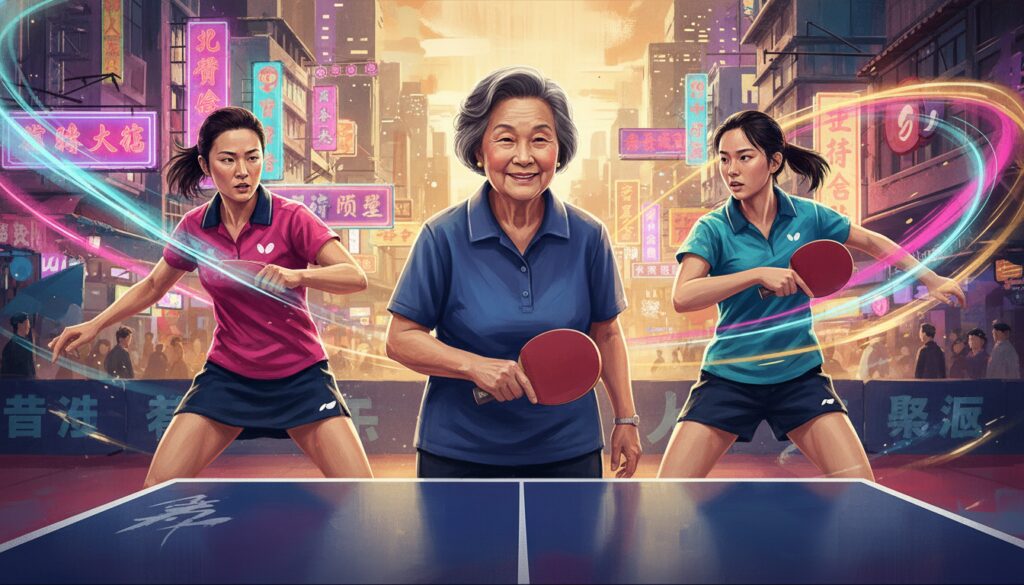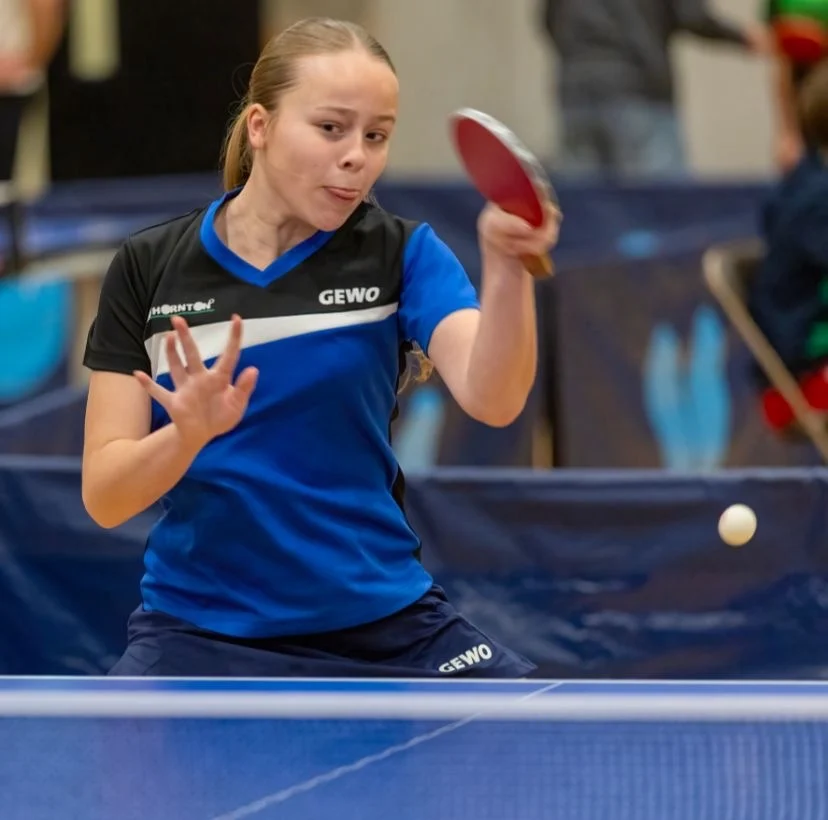
The history of table tennis in Hong Kong is a narrative of resilience, technical mastery, and cultural pride. Before the city became a modern sports hub, a dedicated group of athletes in the mid-20th century laid the groundwork for what would become a national obsession. These pioneers, often referred to as the first generation of champions, transformed a recreational pastime into a competitive discipline that garnered international respect.
The Golden Era of the 1950s and 1960s
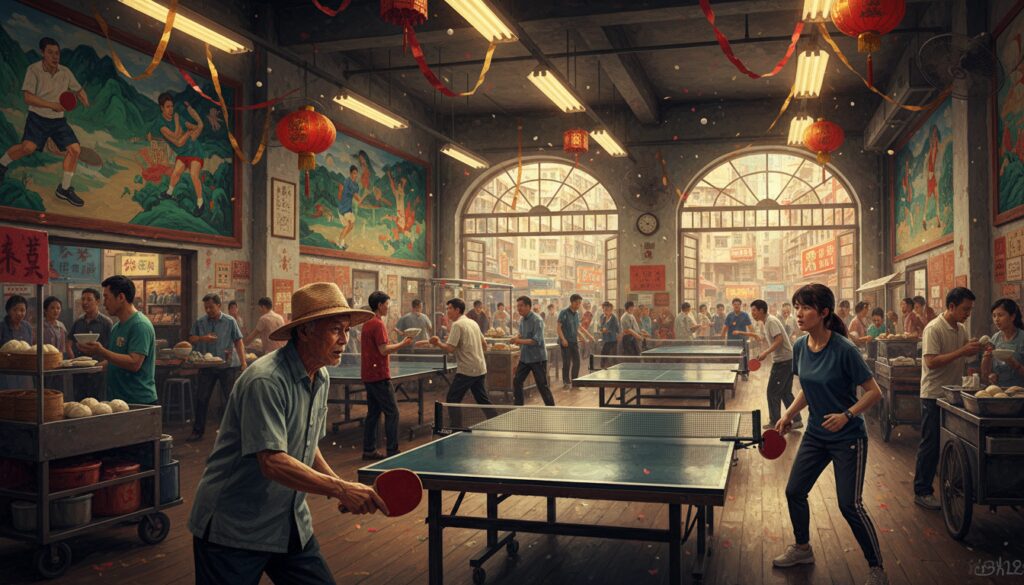
During the 1950s, Hong Kong emerged as a significant center for table tennis in Asia. The post-war period saw a surge in the sport’s popularity, driven by local clubs and the South China Athletic Association. It was during this time that the first wave of elite players began to refine the unique styles that would later define the region’s approach to the game.
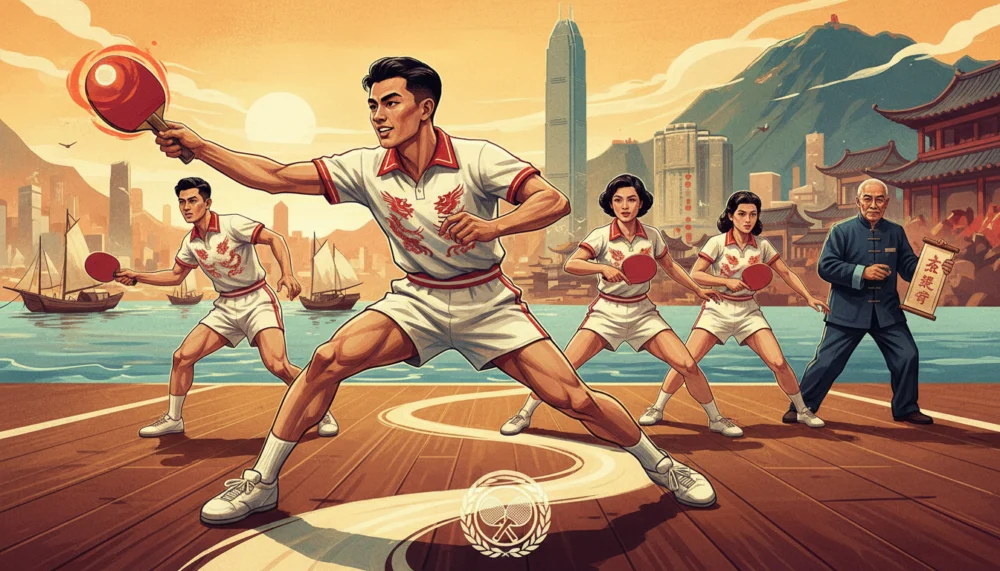
The competitive landscape of the era was characterized by the ‘penhold’ grip, a technique that Hong Kong players mastered with exceptional agility. This first generation did not just play the game; they innovated, blending traditional defensive strategies with lightning-fast offensive maneuvers that caught many international opponents off guard.
Key Figures: Fu Qifang, Jiang Yongning, and Rong Guotuan
Among the most prominent names of this era were Fu Qifang, Jiang Yongning, and Rong Guotuan. While their careers eventually took them across the border to represent mainland China, their formative years and initial successes were deeply rooted in the Hong Kong sporting scene. Their technical prowess and tactical intelligence set a benchmark for all who followed.
Fu Qifang was renowned for his sophisticated tactical mind and his ability to read his opponents’ weaknesses. His influence extended beyond his playing days as he became a visionary coach, emphasizing the importance of psychological strength in high-stakes matches.
Jiang Yongning, another titan of the era, was celebrated for his defensive tenacity. He was one of the first players to demonstrate that a patient, error-free game could dismantle even the most aggressive attackers. His success in local tournaments helped elevate the standards of play across the territory.
Rong Guotuan, perhaps the most famous of the trio, spent his youth practicing in the crowded sports halls of Hong Kong. His eventual victory at the 1959 World Championships was a watershed moment for the global Chinese sporting community, proving that players from this region could dominate on the world stage.
Technical Innovations and Training Methods
The first generation of Hong Kong champions relied on rigorous training schedules that were often self-imposed. Without the high-tech facilities available today, these athletes honed their skills in community centers and school halls. This grassroots environment fostered a sense of community and a ‘never-give-up’ spirit.
The Evolution of the Penhold Style
The mastery of the penhold grip was a hallmark of these early champions. This style allowed for greater wrist flexibility and devastating forehand loops.
- Quick Footwork: Players developed exceptional lateral movement to cover the table.
- Service Variety: Early champions experimented with different spins to gain an immediate advantage.
- Mental Fortitude: Matches were often tests of endurance and focus.
By refining these elements, the first generation created a blueprint for success. Their focus on speed and spin became the foundation of the ‘Hong Kong style,’ characterized by a proactive and aggressive approach to the game.
The Role of the South China Athletic Association
The South China Athletic Association (SCAA) played a pivotal role in nurturing these early talents. As one of the few organizations with dedicated facilities, it became a melting pot for talent. Regular tournaments and inter-city exchanges allowed players to test their skills against diverse opponents, fostering a competitive but supportive ecosystem.
Through the SCAA, many of the first-generation champions received the mentorship they needed to transition from local stars to international contenders. This institutional support was crucial in an era when professional sports infrastructure was still in its infancy.
International Success and Recognition
In the 1950s, Hong Kong’s representatives began making their mark at the Asian Table Tennis Championships and the World Championships. Their presence signaled that the territory was no longer a mere participant but a serious contender for titles. These early victories provided a much-needed boost to local morale and inspired a new generation of youngsters to pick up the paddle.
Legacy and Influence on Modern Hong Kong Table Tennis
The impact of the first generation extends far beyond their trophy counts. They established a culture of excellence and a professional work ethic that remains the cornerstone of the Hong Kong Table Tennis Association today. Their stories of overcoming adversity continue to motivate current stars like Wong Chun-ting and Doo Hoi-kem.
The transition from the first generation to the ‘Ping Pong Twins’ era of the early 2000s shows a clear lineage of tactical evolution. The foundational skills taught by the pioneers—precision, speed, and mental toughness—are still evident in the way Hong Kong players compete on the ITTF World Tour.
Inspiring the Next Generation
Today, table tennis is one of the most well-funded and popular sports in Hong Kong, thanks in large part to the path cleared by the pioneers. Their legacy is preserved in the coaching philosophies and the high-performance programs that identify and nurture young talent from a very early age.
In conclusion, the first generation of Hong Kong table tennis champions were more than just athletes; they were cultural icons who put the city on the global sporting map. Their dedication to the sport and their innovative techniques laid a solid foundation for the decades of success that followed, ensuring that Hong Kong remains a powerhouse in the world of table tennis.