The Genesis of a Sporting Legacy
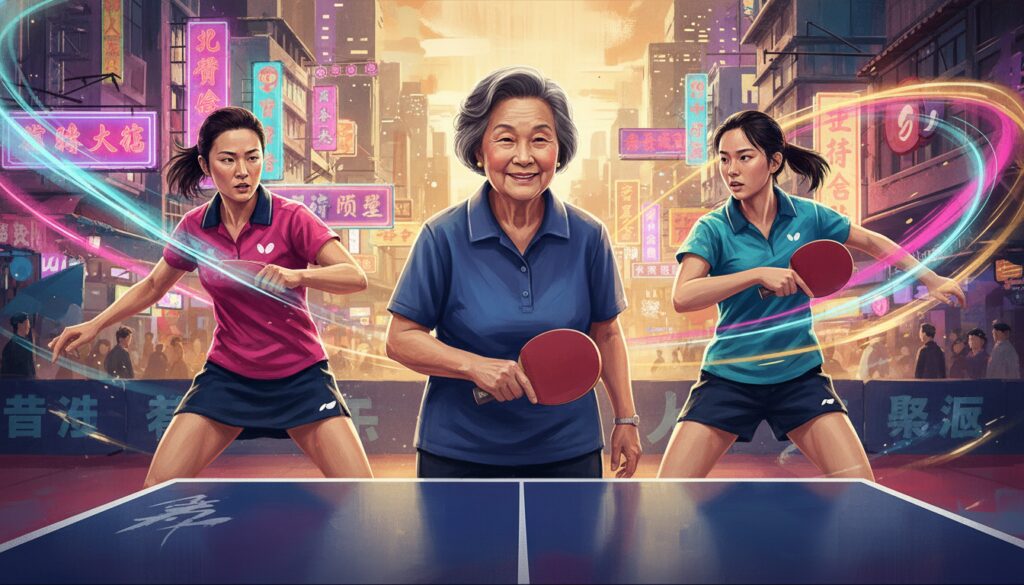
Table tennis in Hong Kong is more than just a sport; it is a vital part of the city’s cultural fabric. For decades, the rhythmic sound of celluloid balls hitting wooden tables has echoed through community centers, schools, and professional sports halls. Understanding how Hong Kong built its unique table tennis identity requires a look back at the intersection of history, geography, and strategic planning.
Early Foundations and Post-War Growth
In the aftermath of World War II, table tennis became an accessible recreation for many in Hong Kong. Due to the limited space in the densely populated territory, a sport that required only a small table and minimal equipment was ideal. During the 1950s and 60s, the game flourished in social clubs and rooftops, providing a platform for local enthusiasts to hone their skills.
The Influence of Mainland China
Hong Kong’s proximity to Mainland China, a global leader in the sport, played a crucial role in its development. In the early years, the influx of experienced players and coaches from the mainland provided a technical foundation that was missing in other regions. This cross-border exchange allowed Hong Kong players to learn advanced techniques, particularly the fast-attack style that would later define Asian table tennis dominance.
The Turning Point: The Athens 2004 Silver Medal
If there was a single moment that solidified Hong Kong’s identity on the world stage, it was the 2004 Athens Olympics. The duo of Li Ching and Ko Lai-chak, affectionately known as the ‘Twin Towers,’ secured a silver medal in the men’s doubles. This achievement was monumental, as it was only the second Olympic medal in Hong Kong’s history at the time.
The success of Li and Ko sparked a wave of enthusiasm across the city. It proved that Hong Kong athletes could compete with the world’s best, including the formidable Chinese national team. This victory served as a catalyst for increased government funding and public interest, setting the stage for a more professionalized approach to the sport.
The Role of the Hong Kong Sports Institute (HKSI)
Central to Hong Kong’s success is the Hong Kong Sports Institute. As the city’s elite training hub, the HKSI provides world-class facilities, sports science support, and professional coaching. By designating table tennis as an ‘Elite Sport,’ the government ensured a steady stream of resources for athlete development.
Professionalizing the Pathway
The HKSI established a clear pathway from grassroots to professional levels. This included:
- Identifying young talent through inter-school competitions.
- Providing full-time training scholarships for promising juniors.
- Integrating sports science, such as biomechanics and performance analysis, into daily training routines.
Shifting Toward Homegrown Talent
For many years, Hong Kong relied heavily on ‘imported’ players who had trained in the Chinese provincial systems. While this strategy brought immediate success, the long-term goal was always to nurture homegrown talent. In the last decade, this shift has become the defining characteristic of the Hong Kong identity.
The Rise of Wong Chun-ting
Wong Chun-ting represents the pinnacle of this homegrown movement. As a local player who picked up the sport in Hong Kong, his rise to the top 10 in the ITTF world rankings was a source of immense pride. Wong’s penhold grip style, a rarity in the modern era, became a symbol of Hong Kong’s unique blend of tradition and innovation.
Doo Hoi-kem and the Women’s Team
On the women’s side, Doo Hoi-kem has emerged as a world-class competitor. Her journey from local youth programs to winning major international titles has inspired a new generation of female players. Her success, alongside teammates like Lee Ho-ching and Minnie Soo, underscores the depth of talent now being produced within the city’s own borders.
Technical Innovations and Playing Styles
Hong Kong’s identity is also defined by its technical versatility. While many regions adopt a uniform coaching philosophy, Hong Kong coaches have encouraged a variety of styles. This includes the traditional penhold grip, the modern shakehand power game, and defensive ‘chopping’ styles. This diversity makes Hong Kong teams unpredictable and difficult to prepare for in international tournaments.
Table Tennis as a Community Pillar
Beyond the professional arena, table tennis remains deeply rooted in the community. The Hong Kong Table Tennis Association (HKTTA) organizes numerous leagues and tournaments for all age groups. From ‘New Generation’ cups for toddlers to veteran championships, the sport promotes lifelong fitness and social cohesion.
The Impact of School Sports
Schools in Hong Kong play a vital role in the ecosystem. Inter-school competitions are fiercely contested, often drawing significant crowds and media attention. These tournaments act as a scouting ground for the HKSI, ensuring that no potential star goes unnoticed.
Tokyo 2020: A New Chapter of Glory
The 2020 Tokyo Olympics (held in 2021) marked another high point for Hong Kong table tennis. The women’s team, comprised entirely of homegrown talent, secured a historic bronze medal. This victory was celebrated as a triumph of the local development system and a validation of the decades-long effort to build a self-sustaining sporting culture.
The emotional scenes of the players on the podium resonated with the public, reinforcing the idea that table tennis is a sport where Hong Kong truly belongs among the elite. It highlighted the resilience and fighting spirit that have become synonymous with the city’s athletic identity.
The Future: Sustainability and Technology
Looking ahead, Hong Kong is focusing on the sustainability of its table tennis programs. This involves integrating Artificial Intelligence (AI) and data analytics to track player progress and refine tactics. By staying at the cutting edge of technology, Hong Kong aims to maintain its competitive edge against larger nations.
Expanding the Coaching Pool
The city is also investing in the education of local coaches. By providing international certification programs and workshops, Hong Kong is ensuring that the next generation of players is guided by experts who understand the local context as well as the global game.
Conclusion
Hong Kong’s table tennis identity was not built overnight. it is the result of a deliberate transition from relying on external expertise to fostering internal excellence. Through strategic investment at the HKSI, the inspiration provided by Olympic legends, and a vibrant community scene, Hong Kong has carved out a unique and respected place in the world of table tennis. As new stars emerge, the city’s legacy in the sport continues to grow, proving that size is no barrier to greatness.