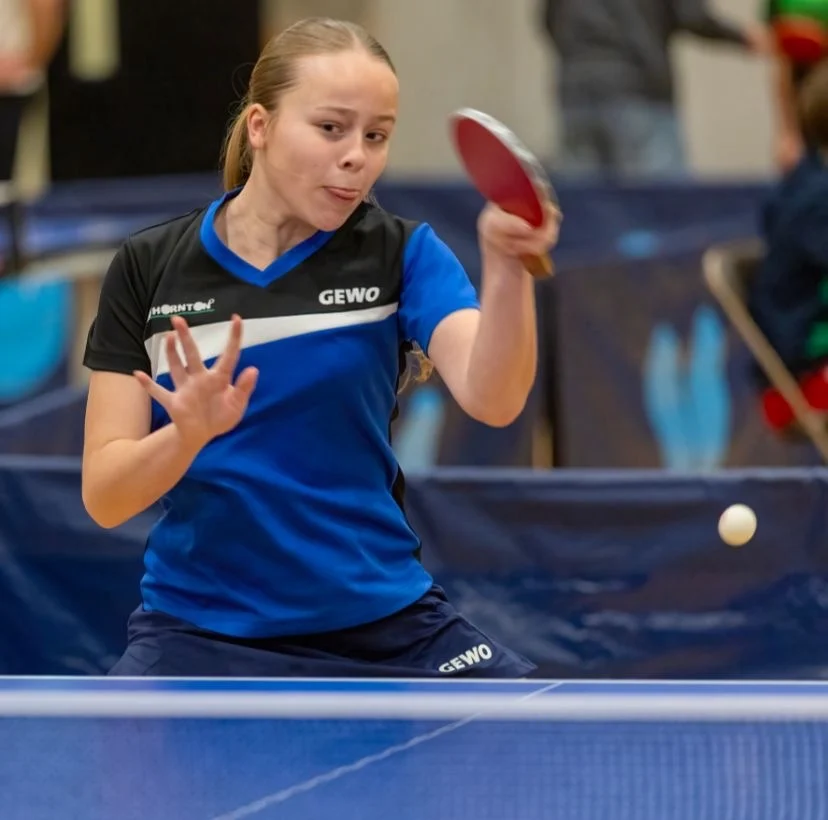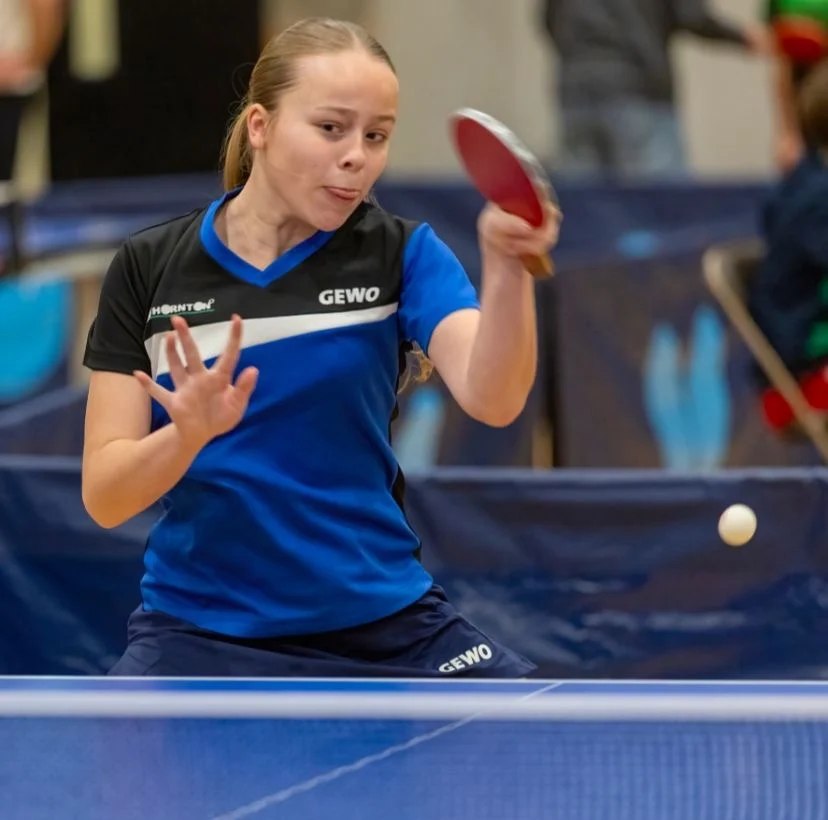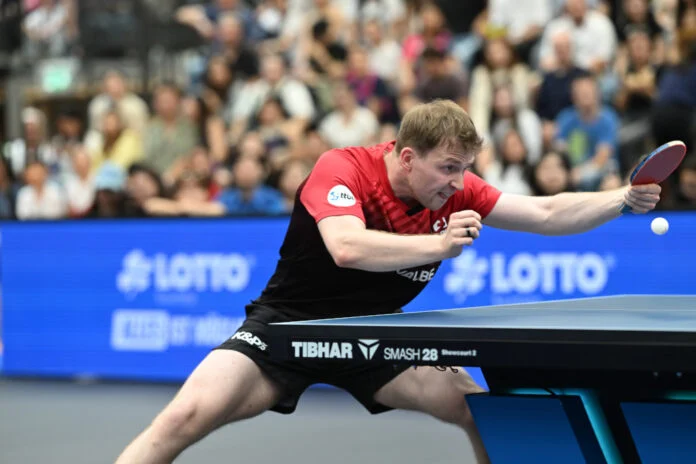
Table tennis, or pingpong, has long been a staple of Hong Kong’s sporting culture, but in recent years, the city has witnessed a significant shift from recreational play to a highly structured professional ecosystem. This transformation is driven by a combination of government investment, world-class training facilities, and a string of high-profile international successes that have captured the public’s imagination.
The sport’s rise is not merely anecdotal; it is backed by rigorous data and a growing number of athletes competing at the highest levels of the ITTF World Rankings. As Hong Kong continues to establish itself as a hub for elite sports in Asia, professional table tennis stands at the forefront of this athletic renaissance.
The Impact of Olympic Success and International Recognition
The turning point for professional pingpong in Hong Kong can be traced back to recent Olympic cycles, where local athletes secured historic medals. These victories served as a catalyst, sparking a renewed interest in the sport among the youth and attracting significant commercial interest from sponsors.
Success on the global stage has transformed local players into household names. Doo Hoi Kem and Wong Chun Ting have become symbols of excellence, proving that Hong Kong can compete with traditional powerhouses like Mainland China and Japan.
Government Support and the Role of the Hong Kong Sports Institute
Central to this professionalization is the Hong Kong Sports Institute (HKSI). As the city’s elite training center, the HKSI provides professional athletes with comprehensive support, including world-class coaching, sports science, and medical services.
The government’s increased funding for the ‘Elite Training Grant’ has allowed players to focus entirely on their sport without the financial pressures that previously hindered long-term development. This financial stability is crucial for maintaining a pipeline of talent that can transition from junior ranks to the professional circuit.
Infrastructure and Modern Training Facilities
Hong Kong has seen a surge in the development of specialized table tennis academies. These facilities are equipped with the latest technology, including high-speed cameras for stroke analysis and automated feeding machines for endurance training.
Beyond the HKSI, private clubs have also upgraded their standards. Many now employ former national team players from across Asia to provide high-level coaching, ensuring that even at the grassroots level, the technique being taught is of professional caliber.
Grassroots Development and School Integration
The professionalization of the sport begins in schools. The Hong Kong Schools Sports Federation (HKSSF) organizes rigorous inter-school competitions that serve as a scouting ground for professional academies.
- Integration of table tennis into physical education curriculums.
- Summer exchange programs with training centers in Mainland China.
- Scholarship programs for student-athletes to balance academics and sport.
The Commercialization and Media Coverage of Pingpong
As the sport’s popularity has grown, so has its commercial viability. Professional leagues and exhibition matches now draw significant viewership, both in person and through digital streaming platforms.
Local broadcasters have increased their coverage of International Table Tennis Federation (ITTF) and World Table Tennis (WTT) events, bringing the fast-paced action of professional pingpong into the living rooms of thousands of residents. This visibility is essential for attracting the next generation of sponsors.
Hosting International WTT Events
Hong Kong has successfully bid for and hosted several high-profile international tournaments. These events not only provide local players with the opportunity to compete at home but also boost the city’s reputation as a premier destination for international sports.
The atmosphere at these events is electric, often selling out venues and demonstrating a sophisticated fan base that understands the nuances of professional play. This cultural shift is a hallmark of a sport that has truly ‘arrived’ in the professional sphere.
Technological Integration and Sports Science
The modern professional player in Hong Kong relies on more than just skill; they utilize advanced sports science. Biomechanical analysis is used to optimize footwork and swing speed, reducing the risk of injury while maximizing power.
Data analytics also plays a pivotal role. Coaches analyze hours of footage to identify patterns in opponents’ serves and returns, allowing Hong Kong players to enter matches with a data-driven competitive edge.
Mental Conditioning and Psychological Support
Professionalism also extends to the mental game. The HKSI provides sports psychologists to help athletes manage the immense pressure of international competition. This holistic approach ensures that players are as mentally resilient as they are physically fit.
Challenges and the Path Forward
Despite the rapid growth, challenges remain. The competition within the Asian region is incredibly fierce, and maintaining a top-tier ranking requires constant innovation and investment.
The sustainability of this growth depends on continued public interest and the ability to convert young talent into world-class professionals. However, with the current momentum and robust infrastructure in place, the future of professional table tennis in Hong Kong looks exceptionally bright.
In conclusion, the rise of professional pingpong in Hong Kong is a testament to what can be achieved through strategic investment, elite coaching, and the dedication of talented athletes. As the city continues to refine its professional model, it will undoubtedly remain a formidable force on the international stage.