The Evolution of Table Tennis Coaching in Hong Kong
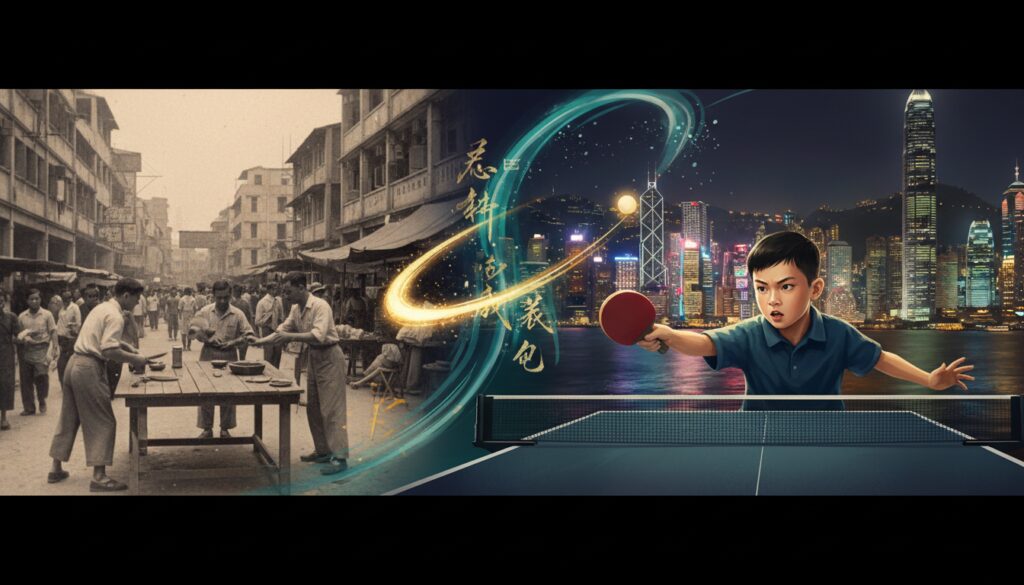
Hong Kong has long been a powerhouse in the world of table tennis, a feat achieved not just through the talent of its athletes but through the strategic vision of its elite coaching staff. The transition from a regional competitor to a global threat began with the integration of world-class technical expertise and a rigorous training culture that prioritizes both physical and mental preparation.
Li Ching: From Olympic Glory to Coaching Excellence
Perhaps no name is more synonymous with Hong Kong table tennis than Li Ching. After winning a historic silver medal in the men’s doubles at the 2004 Athens Olympics, Li transitioned into a coaching role where he applied his deep understanding of high-pressure environments to the next generation of stars.
As the head coach of the Hong Kong women’s team, Li Ching was instrumental in leading the squad to a bronze medal at the Tokyo 2020 Olympics. His coaching style is characterized by a mix of tactical flexibility and psychological resilience, ensuring that players remain composed during critical points in international matches.
Ko Lai-chak: The Tactical Mastermind
Working alongside Li Ching for decades, Ko Lai-chak has played a pivotal role in the technical development of Hong Kong’s elite players. His focus often lies in the intricacies of service and receive, areas where Hong Kong players frequently outmaneuver physically stronger opponents.
Ko’s influence extends beyond the senior team; he has been deeply involved in identifying talent within the youth ranks. By emphasizing the importance of footwork and reaction speed, he has helped maintain a steady pipeline of competitive athletes for the Hong Kong Sports Institute.
Chan Kong-wah: The Architect of Modern Success
As a long-serving head coach of the Hong Kong national team, Chan Kong-wah has overseen the most successful period in the territory’s sporting history. His leadership style focuses on organizational discipline and the integration of diverse playing styles within the team structure.
Strategic Recruitment and Training Systems
Under Chan’s guidance, Hong Kong implemented a more structured approach to training, which includes:
- Biometric analysis of player movements to optimize stroke efficiency
- Regular exchange programs with Mainland Chinese provincial teams
- Comprehensive psychological support systems for junior athletes
The Impact of Zhang Rui on the Women’s Game
Zhang Rui, a former top-tier player, has been a cornerstone of the women’s coaching department. Her ability to analyze the playing styles of international rivals has given Hong Kong athletes a significant edge in major tournaments like the World Championships and Asian Games.
Zhang is credited with refining the aggressive close-to-the-table attacking style that has become a hallmark of Hong Kong’s female players. This style focuses on speed and early timing, neutralizing the power of traditional European loopers and creating immense pressure on the opponent.
Nurturing Youth: The Grassroots Level
Beyond the professional ranks, influential coaches at the grassroots level are the unsung heroes of the sport. Local clubs across districts like Sha Tin and Kwun Tong employ experienced mentors who focus on the fundamentals of grip and stroke production for children as young as five.
The Hong Kong Table Tennis Association (HKTTA) has worked closely with these local coaches to standardize the curriculum for beginner programs. This ensures that young children are learning the correct techniques from their very first session, reducing the need for corrective coaching later in their careers.
Technological Advancements in Coaching
Modern Hong Kong coaches have embraced technology to stay ahead of the curve. Video analysis software is now a standard tool, allowing coaches to break down a player’s backhand flick or forehand drive frame-by-frame to identify subtle flaws in their kinetic chain.
The Role of Data Analytics
Data analytics is increasingly used to scout opponents. Coaches now use statistical models to determine the most likely placement of an opponent’s serve on game point, providing Hong Kong players with a tactical map before they even step onto the court.
Mental Conditioning and Sports Psychology
Influential coaches in the current era recognize that table tennis is as much a mental game as a physical one. Top coaches collaborate with sports psychologists to help players manage the immense pressure of representing Hong Kong on the world stage, especially during the Olympic cycle.
Techniques such as visualization and breath control are now integrated into daily training routines. This holistic approach to coaching ensures that players are not only technically sound but mentally robust enough to face the world’s best under the bright lights of international arenas.
The Legacy of the Twin Towers
The combined legacy of Li Ching and Ko Lai-chak, often referred to as the ‘Twin Towers’ of Hong Kong table tennis, continues to inspire. Their transition from successful athletes to influential coaches serves as a blueprint for current players considering their post-retirement careers within the sport.
Building a Sustainable Future
The focus of current coaching leadership is on sustainability. By investing in coach education programs, Hong Kong ensures that the knowledge passed down from legends like Chan Kong-wah and Zhang Rui is preserved and updated for future generations of trainers.
This sustainable model involves:
- International coaching seminars to stay abreast of global trends
- Mentorship programs for retiring athletes to transition into coaching
- Collaboration with physical therapists to prevent injuries in high-intensity training
Conclusion: A Culture of Excellence
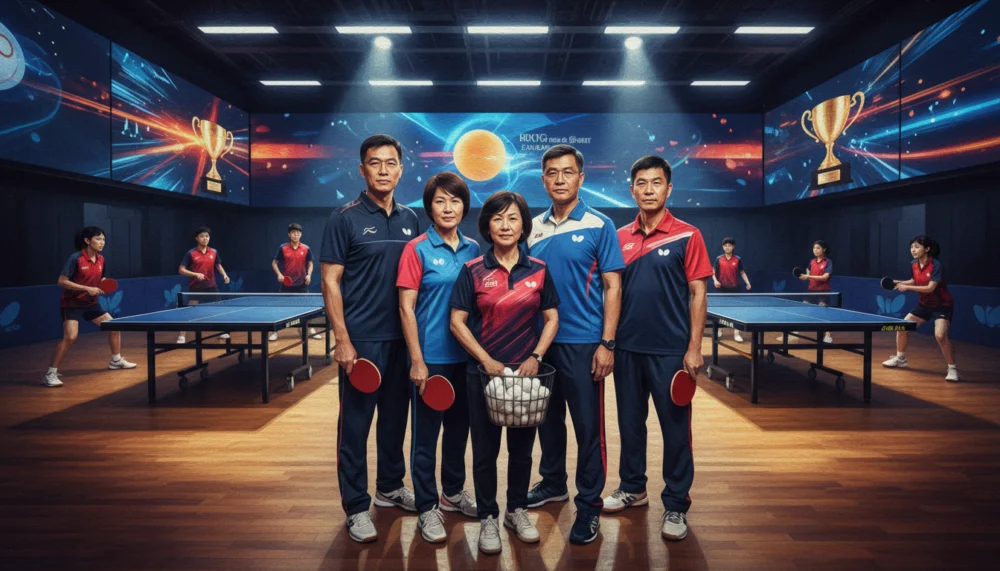
Hong Kong’s most influential table tennis coaches have built a culture of excellence that transcends individual talent. Through a combination of technical mastery, tactical innovation, and a commitment to youth development, they have secured Hong Kong’s place as a perennial contender.
As the sport continues to evolve with new equipment and rules, the adaptability of Hong Kong’s coaching staff will remain its greatest asset. The foundations laid by these influential figures ensure that the sound of the ping-pong ball will continue to echo with success across the city for years to come.