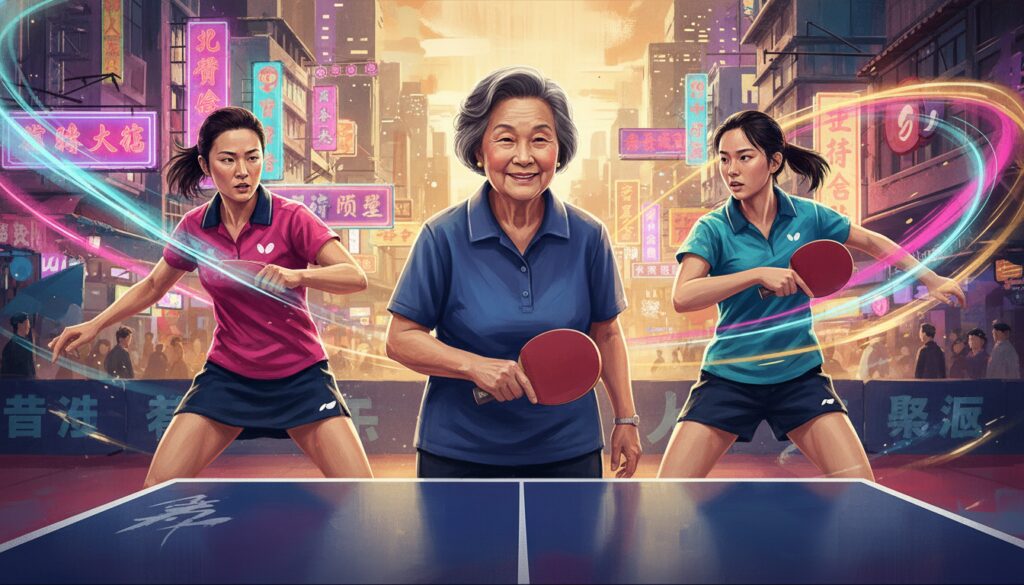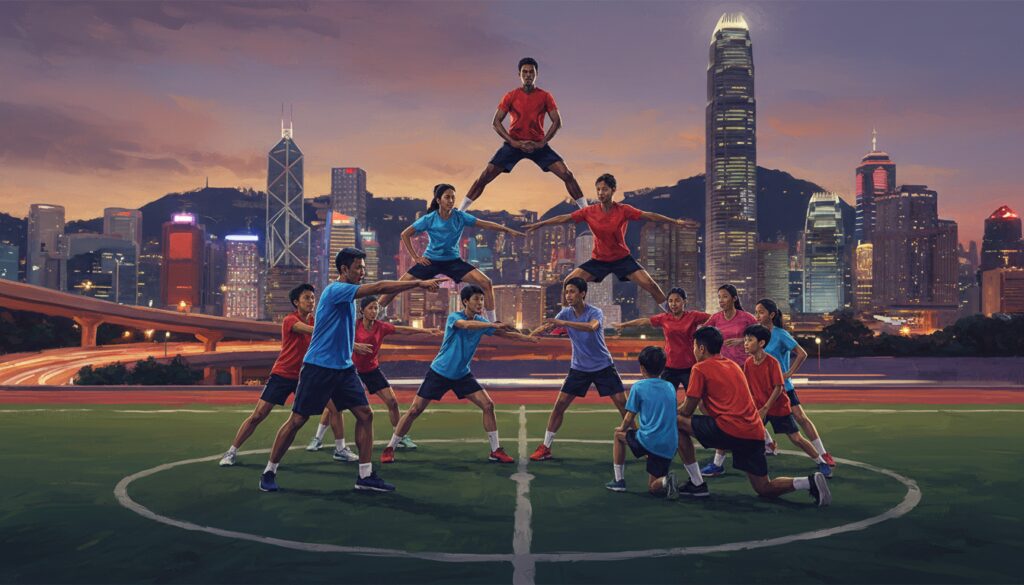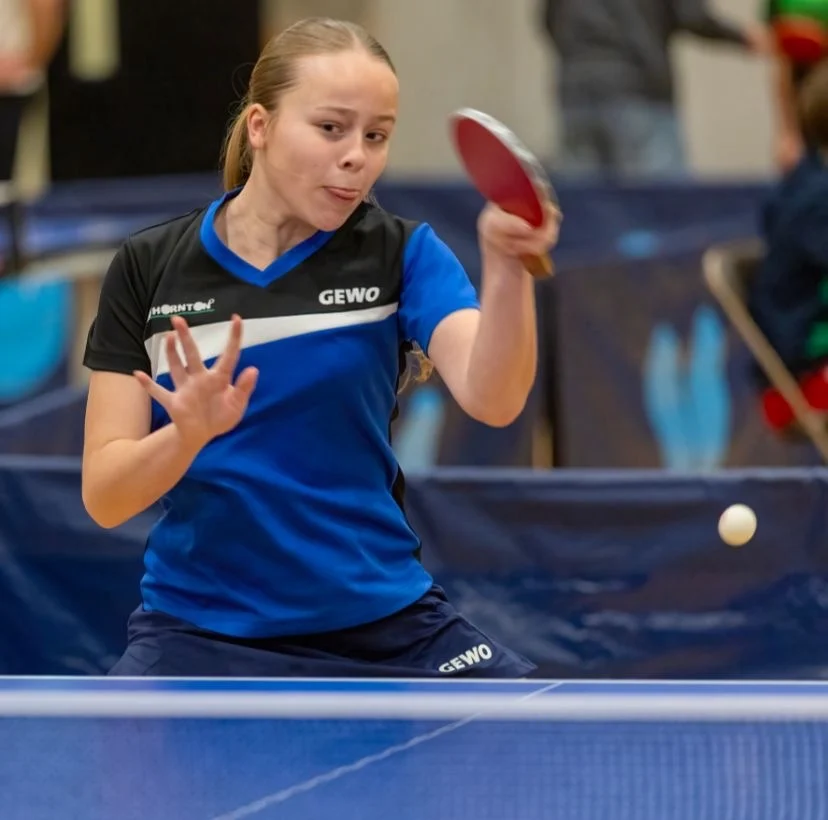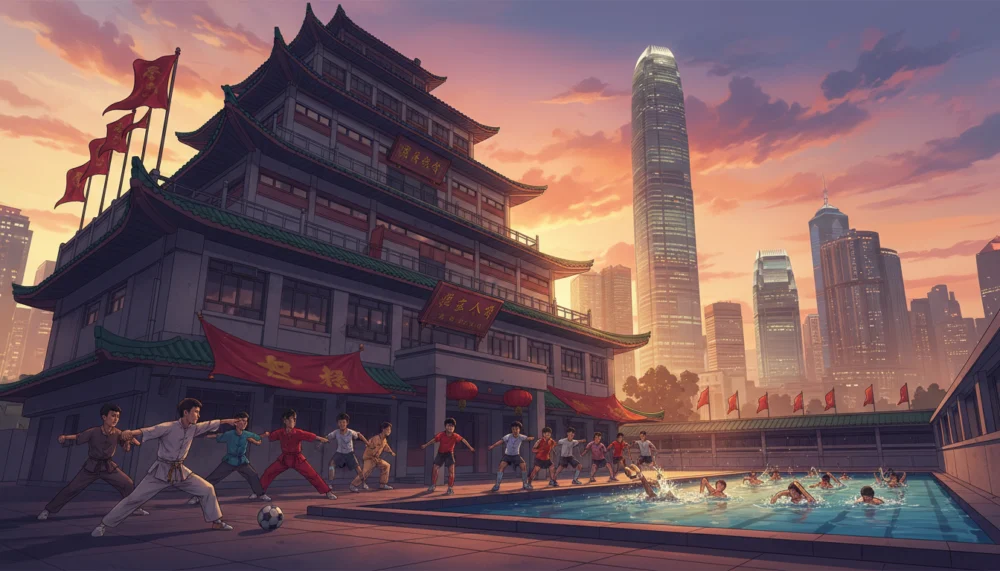
Hong Kong has recently emerged as a formidable force on the global sporting stage, securing historic medals in fencing, swimming, and table tennis. While individual talent is undeniable, the underlying foundation of this success is a highly sophisticated club system. This infrastructure serves as the primary engine for athlete identification, development, and elite performance.
Historically, sports in Hong Kong were centered around private social clubs established during the colonial era. Over the decades, these institutions have transformed into high-performance hubs. Today, they bridge the gap between grassroots participation and professional representation at the Hong Kong Sports Institute (HKSI).
The Architecture of Success: How the Club Model Works
The Hong Kong model is unique because it relies on a decentralized network of clubs that operate in tandem with National Sports Associations (NSAs). Unlike systems that are entirely state-run, this hybrid approach allows for localized talent scouting and a diverse range of training methodologies that cater to different sporting disciplines.
Private clubs often possess the financial autonomy to hire international coaching staff and maintain specialized facilities. This allows them to create a high-pressure, professional environment for young athletes long before they reach the national squad level.
Integration with National Sports Associations
The synergy between local clubs and NSAs is the lifeblood of the system. Clubs act as the initial filter, identifying children with exceptional physical attributes and mental resilience. Once these athletes prove their mettle in inter-club competitions, they are funneled into the national junior programs, ensuring a continuous pipeline of talent.
Key Pillars of the Elite Club Infrastructure
Several critical factors contribute to the effectiveness of the club system in Hong Kong. These include:
- World-Class Facilities: Many clubs offer specialized equipment, from electronic fencing pistes to Olympic-standard aquatic centers.
- Professional Coaching Standards: There is a heavy emphasis on recruiting coaches with Olympic or World Championship experience.
- Competitive Intensity: Frequent inter-club leagues simulate the pressure of international tournaments.
This infrastructure is particularly vital in a high-density city like Hong Kong. By providing localized training centers, clubs make it possible for student-athletes to balance rigorous academic schedules with the 20-30 hours of weekly training required for elite development.
The Role of Competitive Leagues
Competitive exposure is integrated into the club system from a very young age. Weekly leagues and annual age-group championships foster a culture of excellence. These events are not merely for participation; they are the primary metrics used by scouts to determine who receives government funding and invitations to elite academies.
Case Studies: Fencing and Swimming Champions
The most prominent examples of the club system’s efficacy are found in fencing and swimming. The rise of Edgar Cheung Ka-long, Hong Kong’s Olympic gold medalist, is deeply rooted in the specialized fencing clubs that have proliferated across the city. These clubs provided the technical foundation that allowed him to transition seamlessly to the professional ranks.
Similarly, the success of Siobhan Haughey in the pool highlights the importance of club-based training. Her early years were spent in a competitive club environment that emphasized stroke mechanics and psychological preparation, setting the stage for her multiple Olympic medals.
Cultivating a High-Performance Culture
Beyond physical training, clubs are responsible for instilling a high-performance mindset. Senior athletes within the club often act as mentors to the younger generation. This legacy of mentorship ensures that the nuances of elite competition—such as recovery protocols and mental focus—are passed down through the ranks.
Addressing Modern Challenges and Evolution
Despite its successes, the system must navigate the immense academic pressure faced by Hong Kong youth. The ‘drop-out’ rate during the secondary school years is a challenge that clubs are actively addressing through more flexible training hours and partnerships with educational institutions.
To retain talent, many clubs have introduced ‘dual-career’ pathways. These programs allow athletes to pursue university degrees while maintaining a full-time training load, ensuring that sporting excellence does not come at the expense of long-term career security.
The Shift Towards Professionalization
In recent years, there has been a significant shift toward the total professionalization of club management. Many clubs now employ dedicated sports scientists, nutritionists, and video analysts. This data-driven approach allows for the marginal gains that are often the difference between a podium finish and a mid-pack result.
Financial Support and Corporate Sponsorship
The financial health of the club system is supported by a mix of government grants and private investment. While the Elite Training Grant provides direct support to athletes, corporate sponsorships of club leagues have increased the visibility of sports, attracting more commercial interest and funding into the grassroots level.
Grassroots Growth and Community Engagement
To ensure the system remains sustainable, clubs are expanding their reach into the community. Outreach programs in local schools and subsidized training for underprivileged families are broadening the talent pool, ensuring that financial barriers do not prevent the next champion from emerging.
Conclusion: A Sustainable Path to Gold
The club system is the unsung hero of Hong Kong’s sporting renaissance. By providing the facilities, coaching, and competitive framework necessary for elite growth, these clubs have turned a small city into a global contender. As the system continues to evolve, it will undoubtedly produce the next generation of champions ready to take on the world.
The future of Hong Kong sports lies in the continued strength of its clubs. With ongoing investment and a commitment to professional standards, the city is well-positioned to remain a dominant force in the international arena for decades to come.