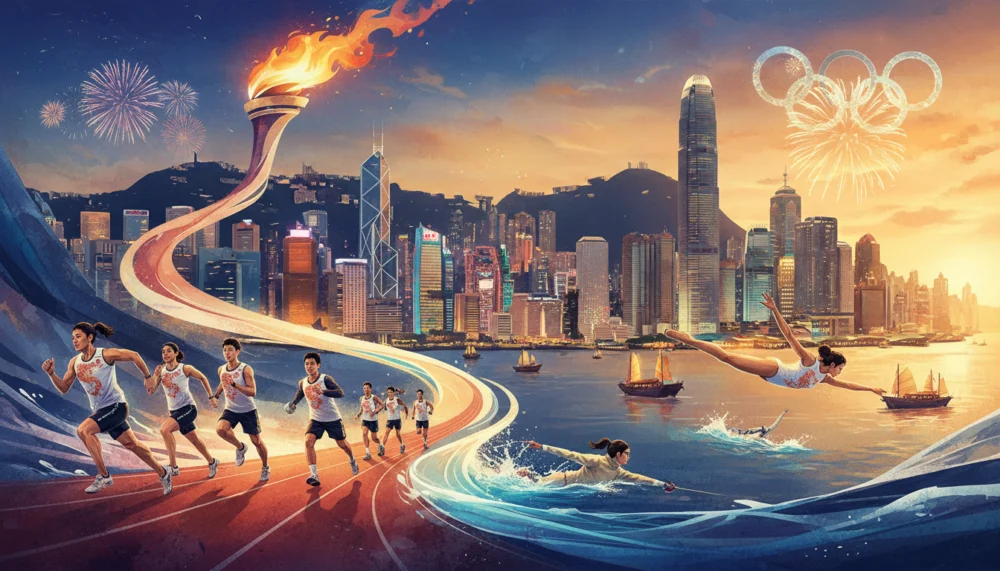
Hong Kong’s participation in the Olympic Games is a testament to the city’s enduring spirit and its transition from a regional participant to a global sporting powerhouse. This journey, spanning over seven decades, reflects the city’s unique history, cultural identity, and the unwavering dedication of its athletes.
The Early Years: From Helsinki to the World Stage
Hong Kong’s Olympic odyssey began in 1952 at the Helsinki Games. Following the establishment of the Amateur Sports Federation and Olympic Committee of Hong Kong in 1950, the city sent its first delegation to Finland. This inaugural team consisted of four swimmers, marking the beginning of a formal presence in international multi-sport events.
During these early decades, Hong Kong athletes competed with passion, though podium finishes remained elusive. The focus was on building a foundation and gaining experience against the world’s elite. Participation grew steadily, with the city sending representatives in sports ranging from athletics and swimming to shooting and sailing.
The Golden Breakthrough: Atlanta 1996
The trajectory of Hong Kong sports changed forever during the 1996 Summer Olympics in Atlanta. Lee Lai-shan, a windsurfer from Cheung Chau, captured the city’s first-ever Olympic gold medal in the women’s mistral event. This historic moment was immortalized by her famous declaration that “Hong Kong athletes are not rubbish,” a phrase that resonated deeply with the local population.
Lee’s victory was more than just a sporting achievement; it was a source of immense pride during a period of political transition. It proved that a small territory could compete and win at the highest level, sparking a renewed interest in professional sports development across the city.
Navigating Identity: Post-1997 Olympic Participation
Following the handover of sovereignty in 1997, Hong Kong’s status in the Olympic movement remained unique. Under the “One Country, Two Systems” principle, the city continued to compete as a separate entity from mainland China, officially adopting the name “Hong Kong, China.” This allowed the territory to maintain its sporting autonomy and its own National Olympic Committee.
The Strategic Role of the Hong Kong Sports Institute
Central to the city’s modern success is the Hong Kong Sports Institute (HKSI). Established to provide world-class training environments, the HKSI offers elite athletes access to scientific support, psychological counseling, and financial grants. This professionalization of sports has been crucial in moving beyond amateur participation toward a high-performance model.
The Renaissance: Historic Success at Tokyo 2020
The Tokyo 2020 Games (held in 2021) marked a watershed moment for Hong Kong. The city achieved its best-ever result, securing a total of six medals across various disciplines. This unprecedented haul demonstrated the depth of talent and the effectiveness of long-term investment in sports.
Cheung Ka-long made history by winning the gold medal in the men’s individual foil fencing event, becoming the first athlete to win gold for the “Hong Kong, China” delegation. His victory triggered a wave of “fencing fever” across the city, leading to a surge in enrollment at local fencing academies.
Similarly, Siobhan Haughey became the first Hong Kong swimmer to win an Olympic medal, securing two silvers in the 100m and 200m freestyle events. Her performance established her as one of the world’s premier sprinters and a role model for aspiring swimmers in Asia.
A Diverse Medal Haul
The success in Tokyo was not limited to fencing and swimming. The city’s athletes showcased their versatility across multiple sports:
- Grace Lau won bronze in the inaugural Olympic karate (kata) event.
- Lee Wai-sze added a bronze in track cycling (sprint) to her previous 2012 medal.
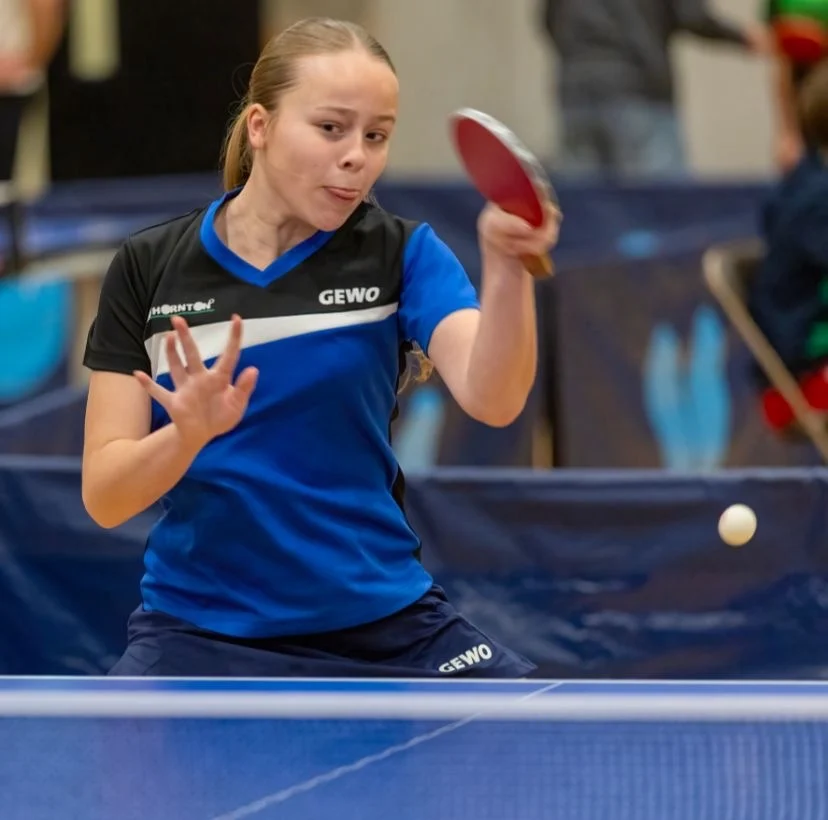
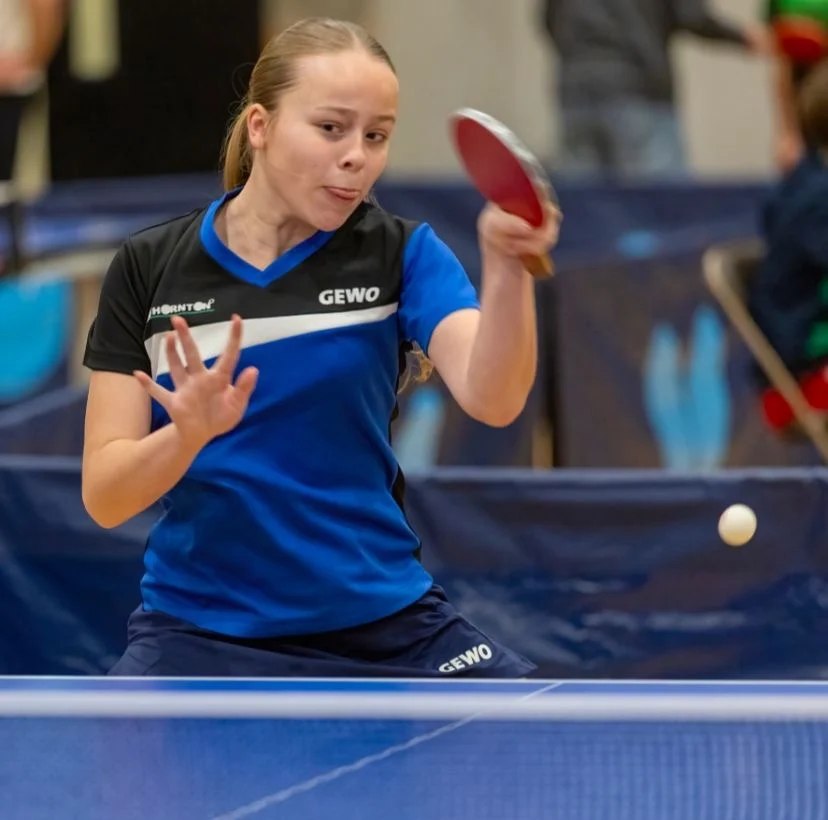
- The women’s table tennis team secured a hard-fought bronze medal.
Cultivating a Sustainable Sporting Culture
The government’s commitment to sports has evolved from occasional funding to a comprehensive strategy focusing on three pillars: elite development, hosting major international events, and promoting sports for all. Increased visibility of athletes in the media has helped transform the public’s perception of sports as a viable career path for young people.
The Road to Paris 2024 and Beyond
As Hong Kong looks toward the Paris 2024 Games and the 15th National Games in 2025, the momentum continues to build. The focus is now on sustaining this success through enhanced technology in training and expanding the talent pipeline. The city’s journey from a small participant to a respected competitor on the Olympic stage serves as an inspiration for the next generation of athletes.
In conclusion, Hong Kong’s Olympic journey is a reflection of the city’s resilience and ambition. From the waters of Cheung Chau to the fencing strips of Tokyo, the city has proven that through dedication and strategic support, even the smallest territories can achieve greatness on the world’s biggest stage.