Understanding the Physics of Spin in Hong Kong Sports
In the competitive landscape of Hong Kong sports, particularly within the elite table tennis and tennis circuits, the application of spin is regarded as a fundamental pillar of success. To the casual observer, a spinning ball might seem like magic, but for the professionals at the Hong Kong Sports Institute, it is a matter of precise physics and fluid dynamics. The ability to manipulate the rotation of a ball allows players to control its trajectory, speed, and bounce, creating significant tactical advantages.
The Magnus Effect: The Core Scientific Principle
The primary scientific force at play in spin techniques is known as the Magnus Effect. This phenomenon occurs when a spinning object curves away from its intended straight path due to pressure differentials in the surrounding air. As a ball rotates, it drags a thin layer of air with it. On one side, the spin moves in the same direction as the airflow, increasing velocity and decreasing pressure. On the opposite side, the spin opposes the airflow, increasing pressure and pushing the ball toward the lower-pressure zone.
Topspin: The Engine of Modern Offense
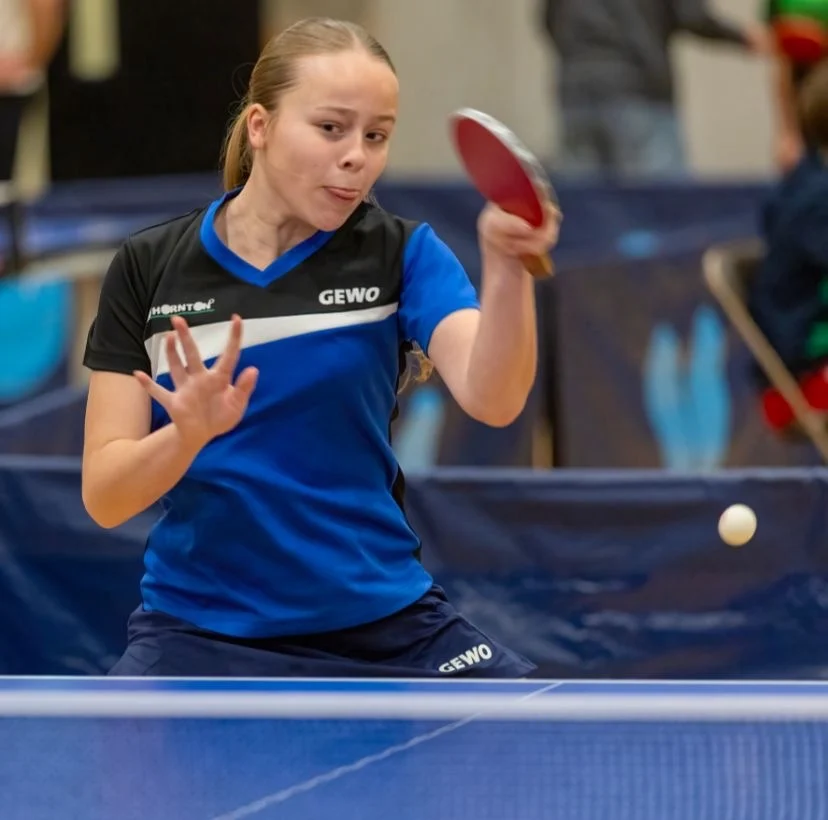
Topspin is perhaps the most utilized technique in Hong Kong’s table tennis training modules. By brushing the top surface of the ball in an upward motion, players generate a rotation that causes the ball to dip aggressively toward the table. This allows for high-velocity shots that still land within the boundaries of the playing surface, making it an essential tool for offensive dominance.
Biomechanical Execution of the Topspin Loop
The execution of a perfect topspin loop requires synchronized kinetic energy transfer. Hong Kong coaches emphasize a ‘bottom-to-top’ movement, starting from the legs, moving through the core, and ending with a rapid wrist snap. This sequence ensures that the maximum amount of energy is converted into rotational velocity rather than just forward speed, ensuring the ball stays low and fast upon impact.
Backspin and the Art of Defensive Control
While topspin is the sword, backspin is the shield. Often referred to as ‘underspin’ or ‘chopping’ in the local sporting community, this technique involves brushing the bottom of the ball. The Magnus Effect works in reverse here, creating upward lift that causes the ball to float longer in the air and die or bounce backward upon hitting the opponent’s side.
Tactical Advantages of Backspin
- Slows down the pace of the game to disrupt the opponent’s rhythm.
- Forces the opponent to lift the ball, setting up a counter-attack.
- Creates a ‘heavy’ feel on the opponent’s racket, leading to unforced errors into the net.
Sidespin: Manipulating Horizontal Trajectories
Sidespin adds a lateral dimension to the game, making the ball curve left or right mid-air. In the high-pressure environments of Hong Kong tournaments, sidespin is often combined with topspin or backspin to create complex ‘corkscrew’ rotations. This makes it incredibly difficult for an opponent to read the ball’s eventual bounce direction.
The Complexity of the Hook and Fade
Advanced players in Hong Kong utilize ‘hook’ and ‘fade’ motions to apply sidespin. A hook spin curves into the opponent, while a fade curves away. The science involves changing the angle of the racket face at the micro-second of contact, a skill that requires thousands of hours of repetitive practice to master the sensory feedback loop between the hand and the ball.
Equipment Technology and Surface Friction
The science of spin in Hong Kong is not limited to human movement; it extends to the equipment. Table tennis rubbers used by local professionals are engineered with specific ‘tackiness’ and ‘pip’ structures to maximize friction. High-friction inverted rubbers allow for greater grip on the ball, enabling the player to generate thousands of revolutions per minute (RPM).
The Role of Sponge Density
Underneath the rubber surface lies the sponge, which acts as a catapult. A harder sponge provides more speed but requires better technique to generate spin, whereas a softer sponge allows the ball to ‘sink in,’ increasing the contact time and making it easier to manipulate the rotation. Hong Kong athletes often customize these layers to suit their specific mechanical strengths.
Aerodynamics and Environmental Factors
Hong Kong’s unique climate can also affect the science of spin. High humidity levels can create a thin layer of moisture on the ball or the racket, significantly reducing friction. This ‘slippage’ can cause spin techniques to fail. Elite players are trained to adjust their stroke angles and force when playing in non-climate-controlled environments to compensate for these aerodynamic shifts.
The Impact of Altitude and Air Density
While Hong Kong is at sea level, the air density remains relatively constant, providing a predictable medium for the Magnus Effect. However, training for international competitions requires athletes to understand how thinner air at higher altitudes reduces the ‘curve’ of a spinning ball, necessitating a more aggressive brushing motion to achieve the same tactical result.
The Biomechanics of the Wrist Flick
The wrist is the final link in the kinetic chain. In Hong Kong’s youth development programs, significant focus is placed on ‘wrist flexibility’ and ‘snap.’ The rapid acceleration of the wrist at the point of contact is what separates a mediocre spin from a world-class one. This involves the fast-twitch muscle fibers of the forearm working in tandem with the tendons of the wrist.
Neuromuscular Coordination
Generating high spin requires the brain to process visual cues from the opponent and execute a motor response in milliseconds. The ‘reaction-action’ cycle is a key area of study in Hong Kong sports science, using high-speed cameras to analyze the exact moment of contact and provide feedback to the athlete.
Mental Visualization and Spin Recognition
Scientific mastery of spin also involves the psychological ability to ‘read’ the opponent’s spin. Players must observe the racket angle, the sound of the contact, and the logo on the ball to determine the rotation type. Hong Kong’s top-tier coaching involves ‘shadow training’ where players visualize these rotations to improve their subconscious response times.
Conclusion: The Future of Spin Science
As technology continues to evolve, the science behind spin in Hong Kong sports will only become more sophisticated. From AI-driven motion analysis to new polymer materials for balls and rackets, the pursuit of the perfect rotation remains at the heart of the city’s sporting excellence. Understanding the physics of the Magnus Effect and the biomechanics of the human body ensures that Hong Kong remains a global powerhouse in the world of precision sports.