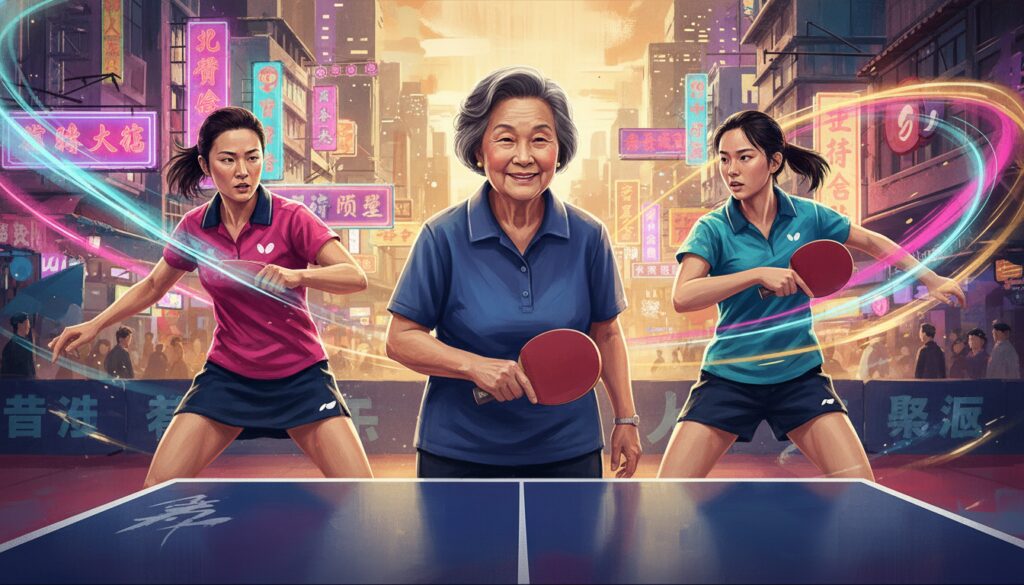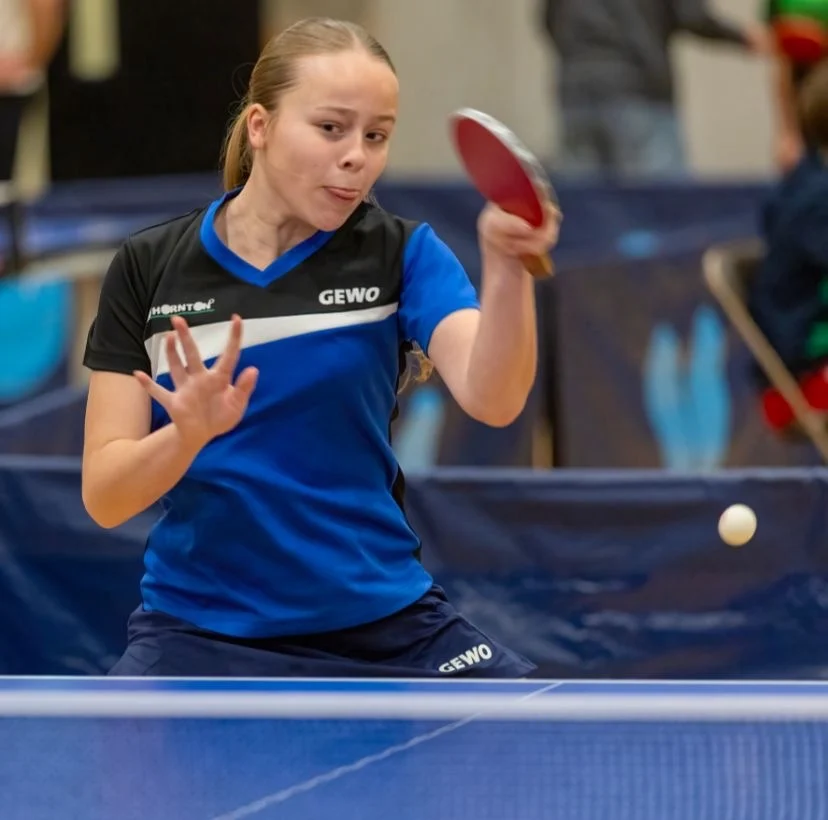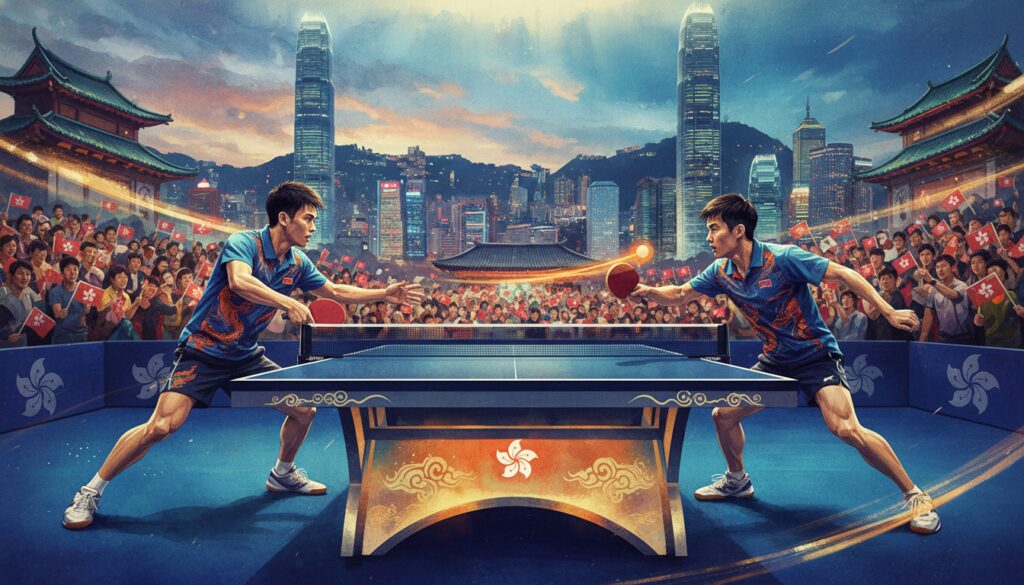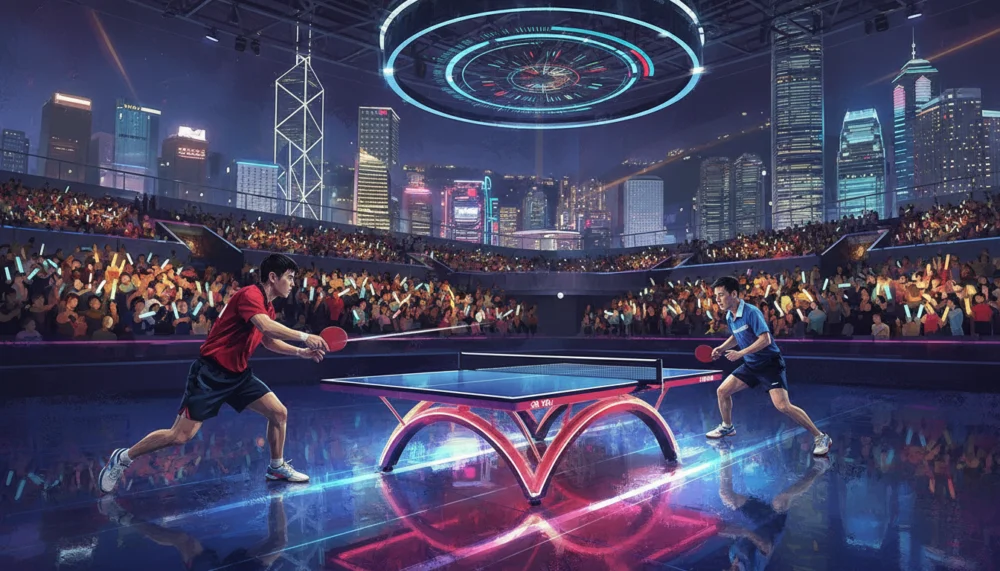
Table tennis has long been a cornerstone of the sporting culture in Hong Kong, but the modern era has seen the city-state transition from a regional participant to a formidable global powerhouse. This shift is characterized by professionalized training, increased government funding, and a surge in local interest following international successes.
The Professional Infrastructure of Hong Kong Table Tennis
At the heart of the modern movement is the Hong Kong Sports Institute (HKSI). This facility provides elite athletes with world-class amenities, including specialized coaching, sports science support, and medical services tailored specifically for high-intensity paddle sports. The centralization of talent at HKSI has allowed for a more cohesive national team strategy.
The funding model has also evolved significantly. Through the Elite Training Grant and various government-backed initiatives, full-time athletes can now focus entirely on their craft without the financial pressures that hindered previous generations. This professionalization is a primary driver behind the consistent performance of Hong Kong players on the ITTF World Tour.
The Role of the Hong Kong Table Tennis Association
The Hong Kong Table Tennis Association (HKTTA) plays a vital role in bridging the gap between amateur play and professional competition. By organizing a structured league system and numerous ranking tournaments, they ensure a steady pipeline of talent is always moving through the ranks.
- Annual National Championships
- Inter-School Competitions
- The Hang Seng Table Tennis Academy
- Regional Talent Identification Programs
Key Figures Defining the Current Generation
The modern era is defined by icons who have broken barriers on the world stage. Wong Chun-ting, known for his rare and effective penhold grip style, has reached the top echelons of the world rankings, proving that Hong Kong-born talent can compete with the absolute best from mainland China and Europe.
On the women’s side, Doo Hoi-kem has become a household name. Her versatility in singles and her exceptional tactical awareness in doubles have secured numerous medals for Hong Kong in the Asian Games and World Championships. Her success serves as a powerful inspiration for young female athletes across the territory.
The Success of the Mixed Doubles Pairing
One of the most significant developments in recent years is the dominance of the Wong Chun-ting and Doo Hoi-kem mixed doubles pairing. Their synergy has resulted in multiple ITTF World Tour titles and a high world ranking, making them a consistent threat at the Olympic level.
Technological Integration in Training
Modern competitive table tennis in Hong Kong is no longer just about physical repetition; it is about data-driven performance. Coaches now utilize high-speed cameras and motion-tracking software to analyze the biomechanics of a player’s stroke, identifying millimetric adjustments that can increase spin or speed.
Furthermore, the use of performance analytics allows players to study their opponents’ tendencies with surgical precision. By reviewing heat maps of ball placement and serve frequency, Hong Kong’s elite athletes enter matches with a comprehensive tactical blueprint, reducing the margin for error in high-pressure environments.
The Grassroots Movement and Youth Development
While elite success is visible, the foundation of the modern era lies in grassroots development. The Hang Seng Table Tennis Academy has been instrumental in this, offering structured training to thousands of children. This program focuses not just on technique, but on the psychological resilience required for professional play.
The integration of table tennis into the primary and secondary school physical education curriculum ensures that almost every student in Hong Kong has exposure to the sport. This wide net allows the HKTTA to identify exceptional hand-eye coordination and reflexes at a very early age.
Balancing Academics and Athletics
A unique challenge in the Hong Kong context is the pressure of the academic system. However, the modern era has seen a shift in parental attitudes. With the introduction of sports-friendly university admission schemes, more families are viewing a professional career in table tennis as a viable and prestigious path.
International Events and Global Standing
Hong Kong has become a preferred destination for major international tournaments, such as the ITTF World Tour Hong Kong Open. Hosting these events provides local players with the opportunity to compete against the world’s best on home soil while boosting the sport’s profile among the general public.
The city’s ability to host seamless, high-tech sporting events has solidified its reputation as a global sports hub. This international visibility attracts foreign sponsors and equipment manufacturers, further fueling the economic ecosystem surrounding the sport in the region.
Challenges and the Road Ahead
Despite the current success, the modern era faces challenges. The increasing competitiveness of other Asian nations, such as Japan and South Korea, means that Hong Kong must constantly innovate to maintain its standing. There is also the ongoing need to upgrade aging community facilities to match the standards of the elite training centers.
The future looks bright as the sport embraces further digitalization and deeper integration with the Greater Bay Area’s sporting networks. By sharing resources and training opportunities with neighboring cities, Hong Kong is poised to remain at the forefront of the table tennis world for decades to come.
In conclusion, the modern era of competitive table tennis in Hong Kong is a testament to the power of structured investment, technological adoption, and the undeniable talent of its athletes. As the sport continues to evolve, Hong Kong remains a shining example of how a small territory can achieve massive impact on the global stage.