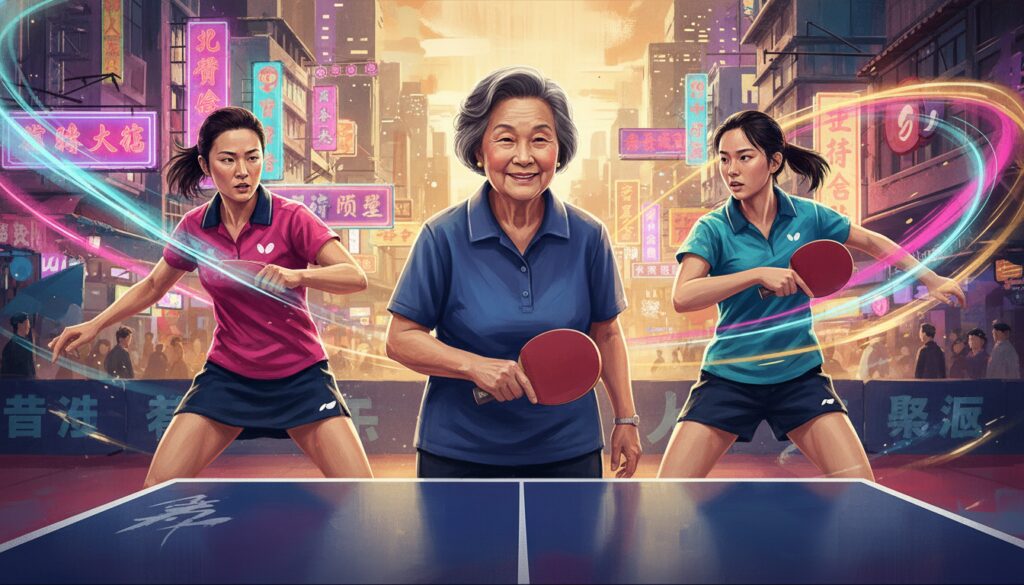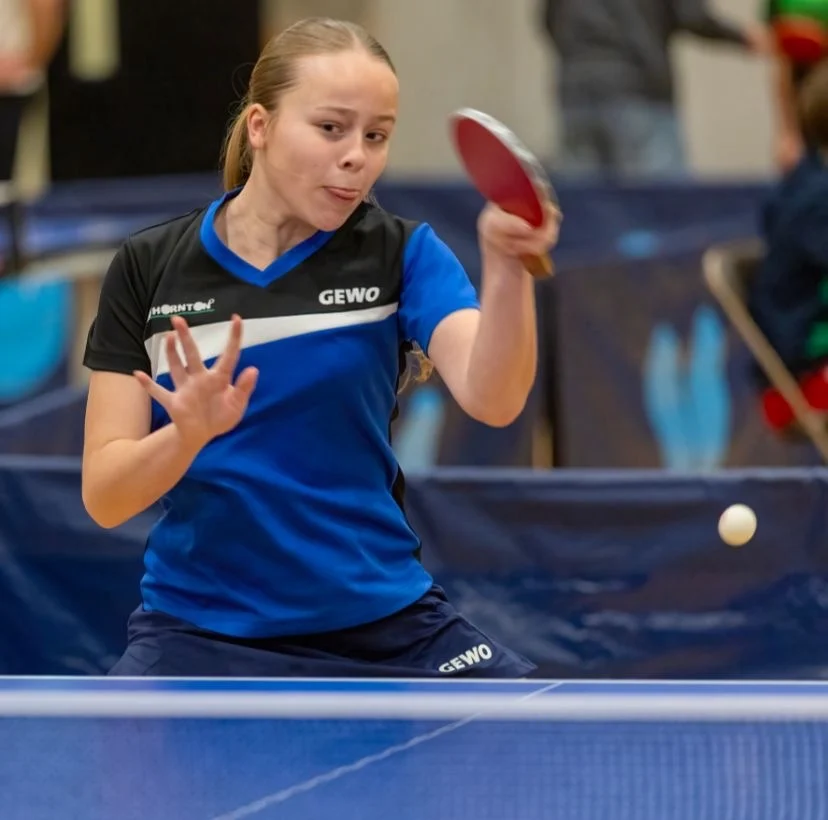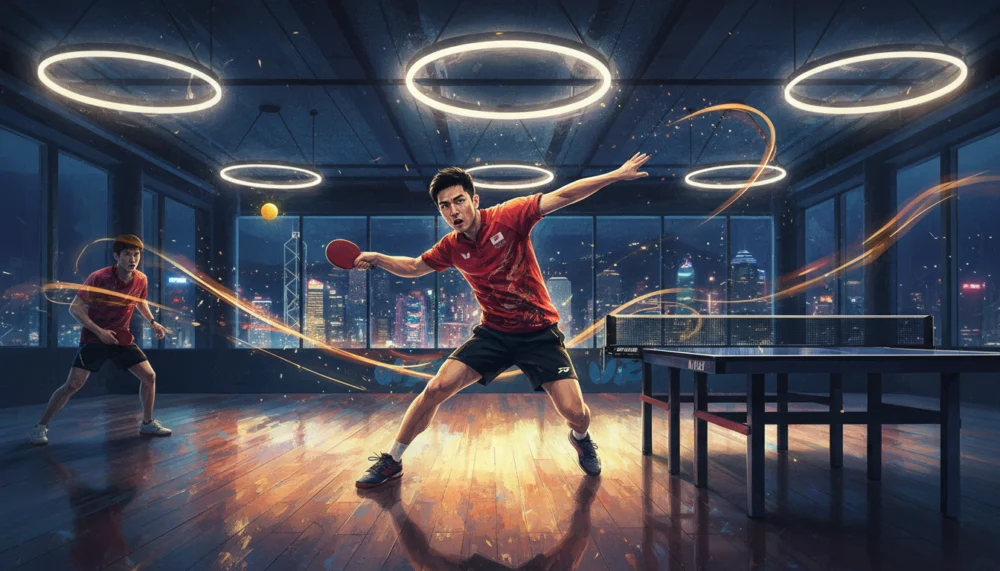
Table tennis in Hong Kong is more than just a sport; it is a discipline that demands extraordinary mental fortitude. As the city continues to produce world-class talent, the focus has shifted from mere physical training to the intricate psychological landscape that separates champions from the rest of the field.
The pressure of representing a global hub like Hong Kong on the international stage brings unique psychological challenges. Elite players must navigate not only the speed of the ball but also the weight of societal expectations and the intense scrutiny of a competitive sports culture.
The Cultural Context of Elite Sports in Hong Kong
In Hong Kong, the pursuit of excellence is often tied to academic and professional success. For elite table tennis players, this creates a dual-pressure environment where they must balance rigorous training schedules with the traditional values of hard work and achievement prevalent in local culture.
The Hong Kong Sports Institute (HKSI) plays a pivotal role in shaping this mindset. By providing a centralized hub for elite training, it fosters an environment of excellence while offering the psychological support necessary to handle the transition from youth prospect to professional athlete.
Resilience in a High-Stakes Environment
Resilience is the cornerstone of the Hong Kong player’s psyche. In a city where space is a premium and competition is fierce, athletes learn from a young age to adapt to adversity. This Lion Rock Spirit translates into a never-give-up attitude on the table, especially during high-pressure deuce points.
Cognitive Strategies for Rapid Decision-Making
Table tennis is often described as chess at 100 miles per hour. Elite players in Hong Kong utilize advanced cognitive strategies to process information in milliseconds. This involves pattern recognition, where players identify an opponent’s subtle body cues to predict the spin and trajectory of the ball.
Achieving a flow state, often referred to as the zone, is a primary goal for many top-tier athletes. In this state, the player’s actions become instinctive, and the perceived speed of the game slows down, allowing for flawless execution of complex techniques under extreme pressure.
Pre-Performance Routines and Visualization
- Visualization: Mental rehearsal of specific match scenarios to build confidence.
- Breathing Exercises: Regulating the nervous system to maintain a steady heart rate during breaks.
- Physical Triggers: Small actions, like wiping the table or adjusting the racket, to reset focus between points.
Managing Emotional Volatility During Matches
The ability to regulate emotions is what defines the elite. In the fast-paced environment of a professional match, a single moment of frustration can lead to a string of lost points. Hong Kong’s top players are trained to use positive self-talk to counteract negative spirals and maintain composure.
Tactical patience is another psychological tool. It involves the mental discipline to stick to a game plan even when it isn’t immediately yielding results, trusting that the strategy will prevail over the course of the entire set or match.
Dealing with Momentum Shifts
Momentum is a powerful force in table tennis. Elite players use psychological anchoring to stay grounded. By focusing on a single technical aspect, such as footwork or ball contact, they can block out the noise of a mounting comeback from their opponent and regain control.
The Role of Support Systems and Coaching
Behind every elite player in Hong Kong is a comprehensive support system. Sports psychologists work alongside coaches to monitor the mental well-being of athletes, ensuring they have the tools to cope with the stresses of international travel and high-stakes competition.
The relationship between a coach and a player is built on deep psychological trust. In the heat of a match, the coach’s ability to provide calm, concise tactical advice can be the difference between a mental breakdown and a strategic breakthrough for the athlete.
Mental Health vs. Performance
Modern sports psychology in Hong Kong is increasingly focusing on the holistic health of the athlete. Recognizing that a happy athlete is a productive athlete, programs now emphasize the importance of mental rest, social connection, and life balance outside the training hall.
Conclusion: The Future of the Mental Game
As table tennis technology and training methods continue to evolve, the psychological edge will remain the final frontier for elite players in Hong Kong. By integrating traditional resilience with modern psychological techniques, Hong Kong’s athletes are well-positioned to remain at the pinnacle of the sport.