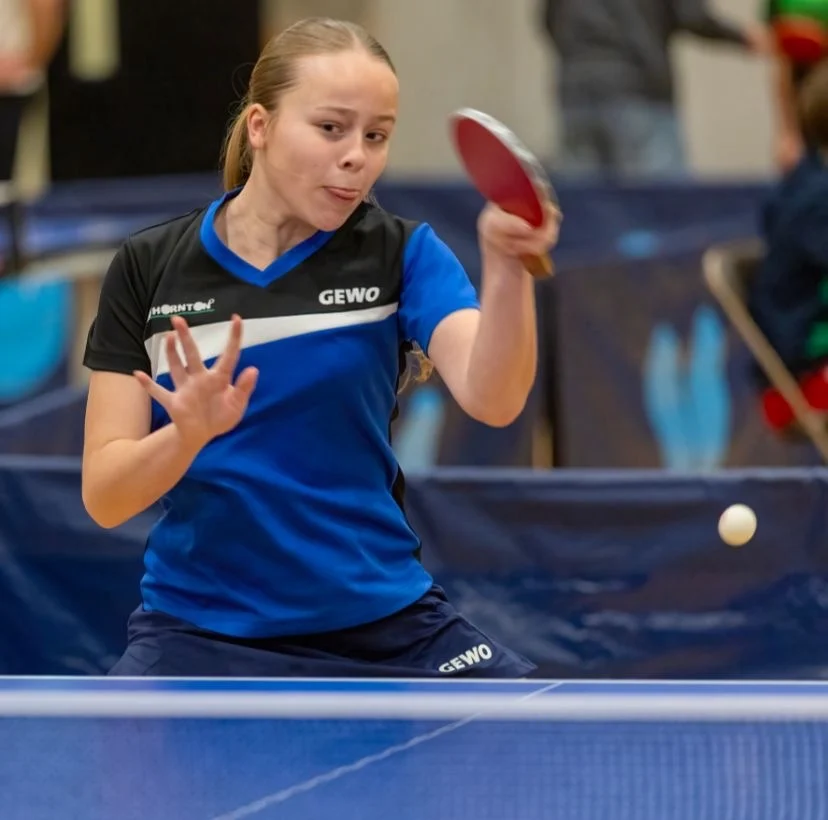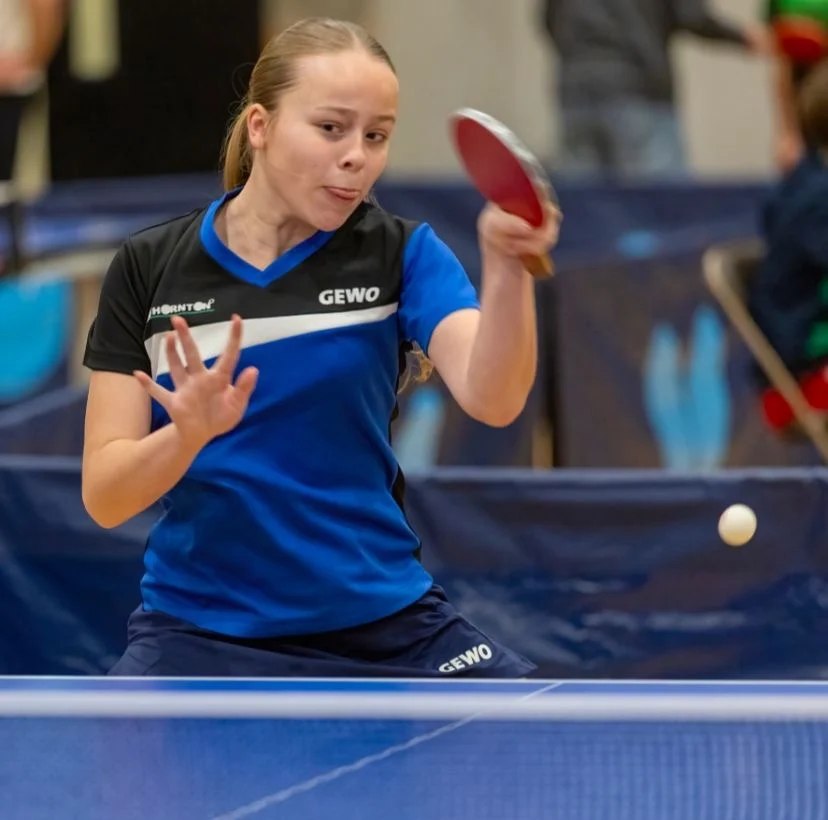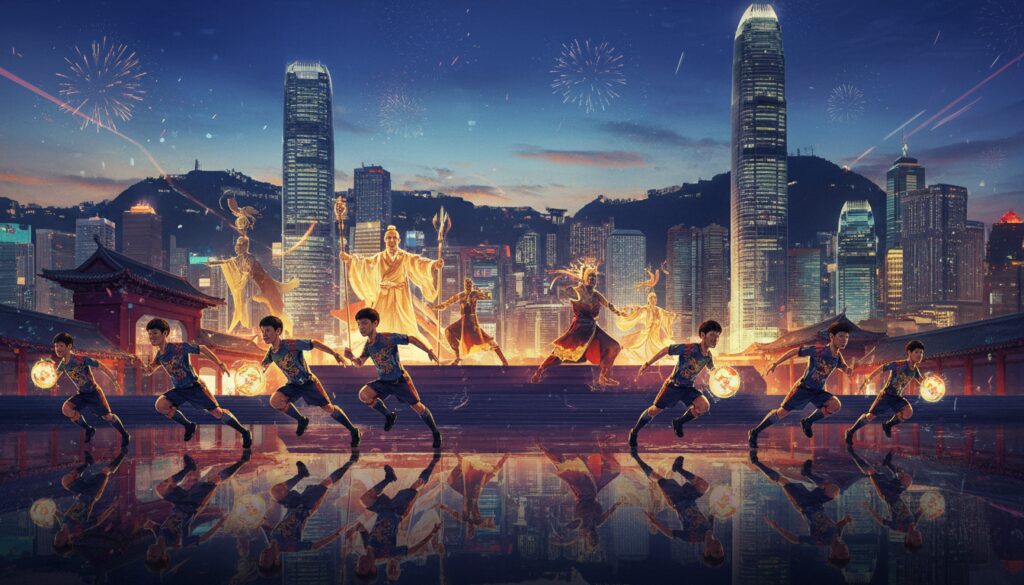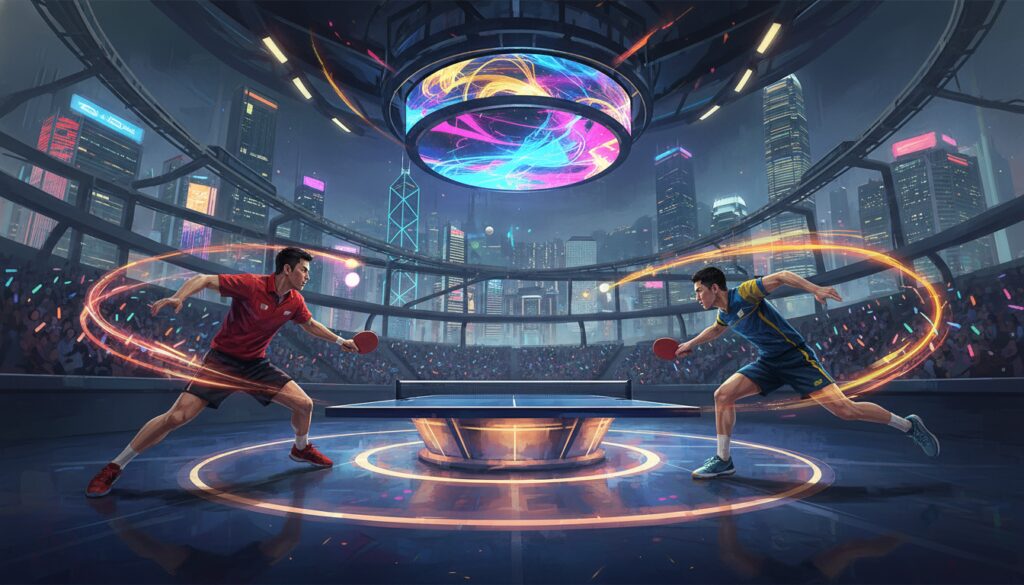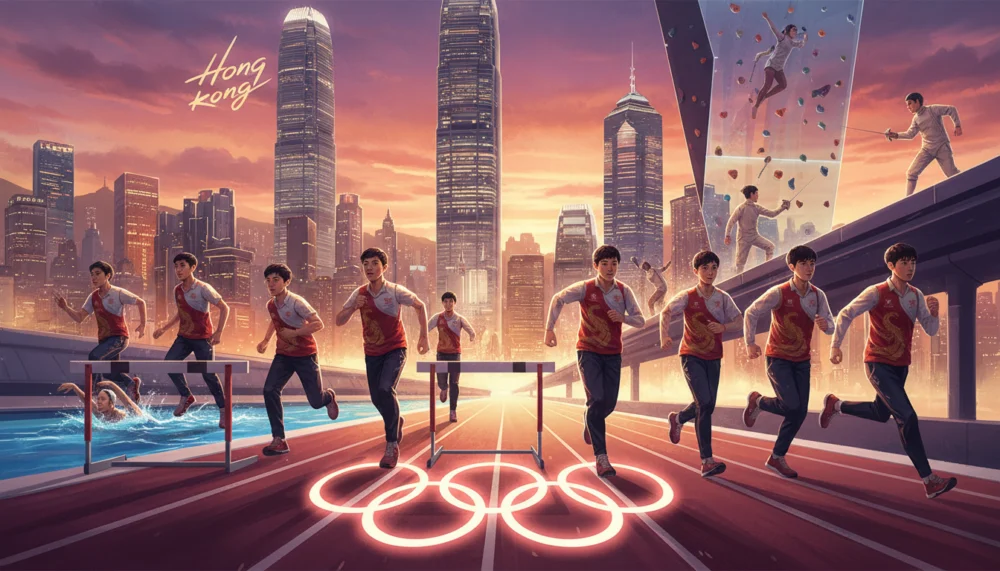
Hong Kong has witnessed a significant transformation in its sporting landscape over the past decade. Once considered a secondary pursuit to academic achievement, professional sports have now become a viable and prestigious career path for the city’s youth. This shift is largely driven by the recent successes of local athletes on the global stage, which have ignited a new wave of Olympic aspirations among the younger generation.
The historic performances at the Tokyo 2020 and Paris 2024 Olympic Games served as a catalyst for this change. When athletes like Edgar Cheung Ka-long and Siobhan Haughey brought home medals, they did more than just win silverware; they proved that Hong Kong’s talent could compete with the world’s best. This has created a ripple effect, inspiring thousands of children to take up fencing, swimming, and other Olympic disciplines with the dream of one day representing the HKSAR.
The Foundation of Olympic Dreams in Hong Kong
At the heart of Hong Kong’s athletic development is a robust infrastructure designed to identify and polish raw talent. The Hong Kong Sports Institute (HKSI) serves as the primary hub for elite training, providing world-class facilities and coaching for athletes across various tiers. For a young person with Olympic aspirations, gaining entry into the HKSI’s junior programs is often the first major milestone in their professional journey.
Elite Training Facilities and Coaching
The HKSI offers a comprehensive environment where young athletes can access high-performance training centers, specialized medical clinics, and recovery suites. By bringing together international coaching expertise and cutting-edge technology, the institute ensures that local talent is nurtured according to global standards. This professionalized environment is crucial for transitioning from a hobbyist to a competitive athlete.
Financial Support and Scholarships
One of the biggest hurdles for youth athletes is the financial burden of training and travel. To combat this, the Hong Kong government and various private organizations have established the Elite Training Grant and various sports scholarships. These financial aids allow young prospects to focus entirely on their development without the immediate pressure of financial instability, making the path to the Olympics more accessible to diverse socioeconomic groups.
Key Disciplines Driving Youth Engagement
While Hong Kong athletes participate in a wide array of sports, certain disciplines have seen an unprecedented surge in youth participation. Fencing has become a cultural phenomenon in the city, with fencing clubs reporting record enrollments. The precision and discipline required for the sport resonate deeply with the local culture, making it a cornerstone of Hong Kong’s Olympic strategy.
Swimming is another area where Hong Kong’s youth are making significant strides. The success of Siobhan Haughey has led to increased investment in aquatic centers and high-performance swimming programs. Young swimmers now have clear benchmarks and role models, which is essential for maintaining the long-term motivation required for Olympic-level training.
The Role of Schools and Junior Competitions
The Hong Kong Schools Sports Federation (HKSSF) plays a pivotal role in the early identification of talent. Inter-school competitions are highly competitive and serve as a scouting ground for national sports associations. These events provide young athletes with their first taste of high-stakes competition, helping them build the mental resilience needed for international stages.
Balancing Academics and Athletics
In a city known for its rigorous academic environment, balancing studies with elite sports is a significant challenge. However, many schools are now adopting more flexible curricula to accommodate training schedules. Partnerships between the HKSI and local universities also provide ‘dual-career’ pathways, ensuring that athletes can pursue their Olympic dreams while securing their future through education.
Government Initiatives and Policy Support
The Hong Kong government has consistently increased its budget for sports development, focusing on the five policy objectives: to promote sports in the community, to support elite sports, to maintain Hong Kong as a center for major international sports events, to enhance professionalism, and to develop relevant industry. This top-down support is vital for creating a sustainable ecosystem for youth athletes.
Infrastructure Development and the Kai Tak Sports Park
The upcoming completion of the Kai Tak Sports Park is expected to be a game-changer. As a world-class venue, it will host international competitions that will bring the world’s best athletes to Hong Kong’s doorstep. For a young athlete, the opportunity to watch and eventually compete in such a facility provides a tangible goal and a sense of pride in their home city’s sporting capabilities.
Mental Preparation and Sports Science
Modern Olympic aspirations require more than just physical prowess; they require mental fortitude. The HKSI’s Sport Psychology Center works with youth athletes to manage the pressures of competition and the psychological impact of injury. This holistic approach ensures that athletes are not just physically fit, but also mentally prepared for the rigors of the Olympic cycle.
Nutritional and Medical Support
Success at the highest level is often determined by the smallest margins. Youth athletes in Hong Kong have access to sports nutritionists who tailor diets to their specific training needs, and sports physiotherapists who focus on injury prevention. This level of professional care at a young age is a key differentiator in the longevity of an athlete’s career.
Community Support and Changing Perceptions
Perhaps the most significant change in recent years is the shift in public perception. Parents are increasingly supportive of their children pursuing sports professionally. The ‘success breeds success’ mentality has fostered a community that celebrates athletic achievement, providing a much-needed emotional support system for young aspirants.
Building a Local Sporting Culture
The visibility of local athletes in the media and their participation in community events have helped humanize the journey to the Olympics. When young people see athletes who grew up in the same neighborhoods succeeding on television, the dream of the Olympics becomes something achievable rather than a distant fantasy.
Conclusion: The Road to Brisbane and Beyond
As Hong Kong looks toward the future, the pipeline of talent seems stronger than ever. With continued investment, improved school-to-professional pathways, and a supportive community, the city is well-positioned to remain a force in the Olympic arena. The aspirations of today’s youth are the foundation upon which Hong Kong’s future sporting legacy will be built, promising more golden moments in the decades to come.