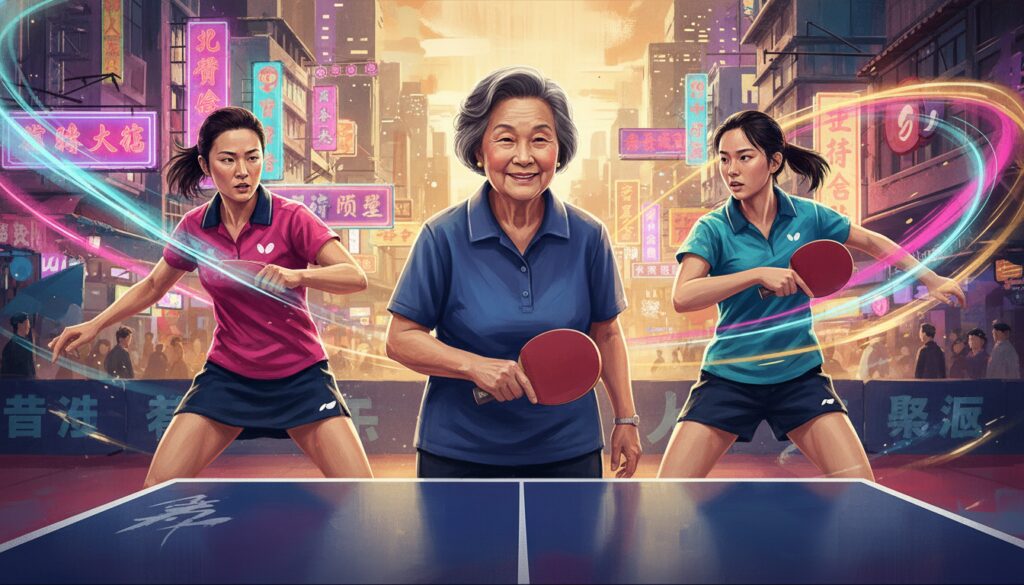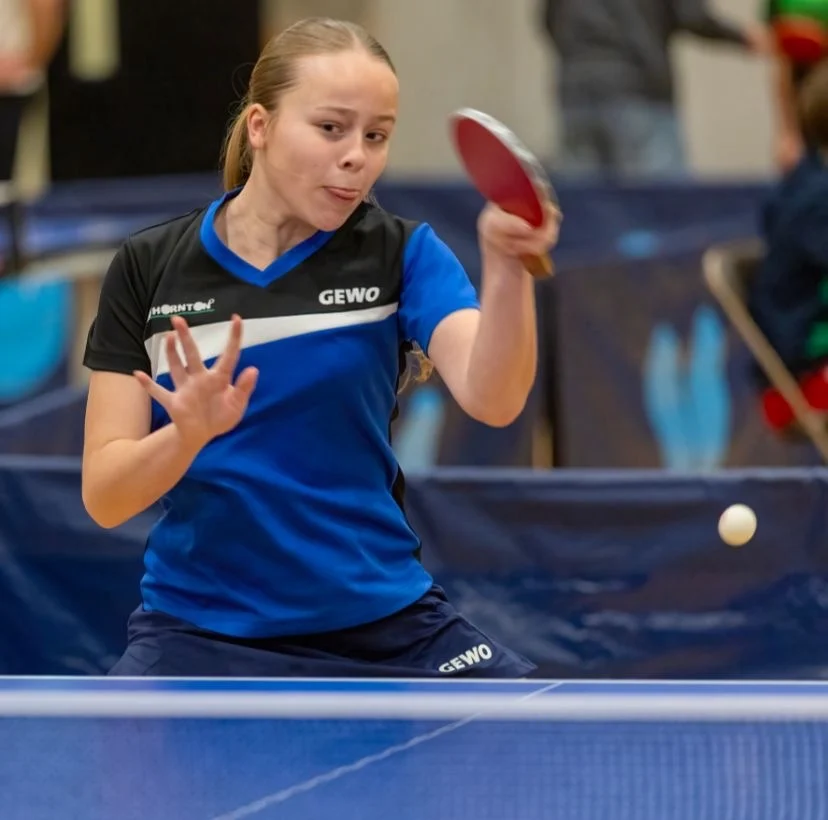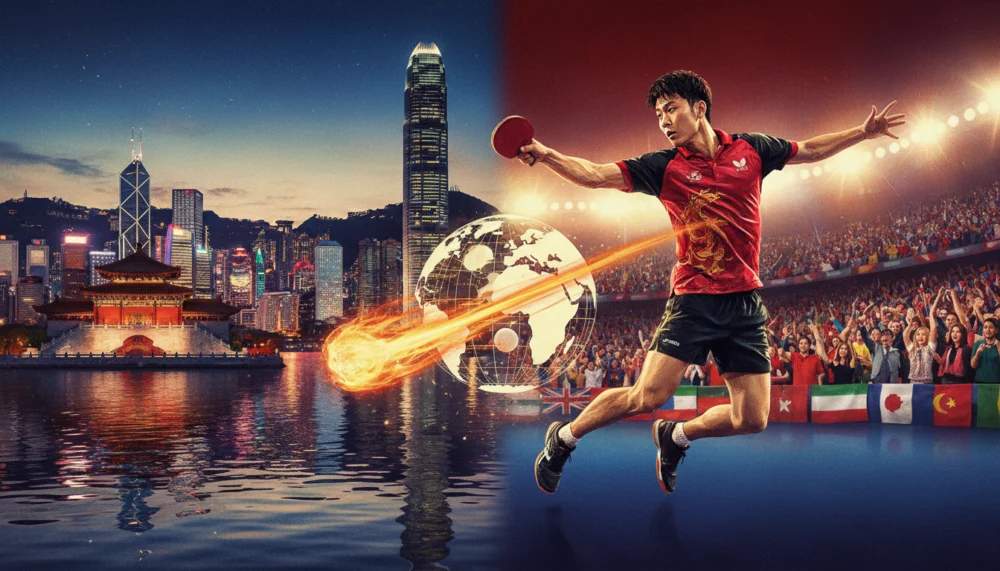
Table tennis has long been a cornerstone of the sporting culture in Hong Kong. However, the transformation from a regional contender to a global powerhouse did not happen overnight. The catalyst for this evolution has been the deliberate and consistent pursuit of international exposure, which has fundamentally reshaped the technical skills, mental resilience, and strategic depth of Hong Kong’s athletes.
The Catalyst: Stepping onto the World Stage
In the early years, Hong Kong’s table tennis scene was largely self-contained, with athletes primarily competing against local talent. While this built a solid foundation, it lacked the diversity of playing styles required to succeed at the highest levels. The shift toward seeking international exposure began with a strategic decision by the Hong Kong Table Tennis Association (HKTTA) to integrate local talent into the global circuit.
The Role of the ITTF World Tour
Regular participation in the ITTF World Tour, now known as the WTT (World Table Tennis) series, has been instrumental. By competing in various continents, Hong Kong players were forced to adapt to different environments, from the fast-paced surfaces of Europe to the high-spin variations preferred by athletes in mainland China. This constant adaptation sharpened their tactical awareness and versatility.
Gaining Experience in Foreign Leagues
Beyond individual tournaments, many of Hong Kong’s top-tier players have spent significant time playing for professional clubs in foreign leagues. Whether it is the prestigious Chinese Super League or the highly competitive Bundesliga in Germany, these experiences have provided a level of professional rigor that local training alone could not match.
Integrating Global Coaching Standards
International exposure is not just about where the players go, but also about the expertise that is brought into the city. Hong Kong has been proactive in hiring world-class coaches with international experience. These mentors have introduced modern training methodologies, focusing on biomechanics, psychology, and performance data that align with global standards.
Cross-Border Training Programs
One of the most significant advantages for Hong Kong has been its proximity and relationship with mainland China. Regular joint training sessions with the Chinese national team—widely considered the gold standard of the sport—have provided Hong Kong athletes with a firsthand look at the intensity and discipline required to be a world champion. This cross-border exchange is a unique asset that few other regions can replicate.
Hosting Major International Tournaments
By hosting events like the Asian Championships and WTT Star Contender tournaments, Hong Kong has successfully brought the world to its doorstep. Playing in front of a home crowd against international rivals provides a psychological boost and helps local players handle the pressure of high-stakes competition. It also serves as a source of inspiration for the next generation of athletes watching from the stands.
Boosting Public Interest and Infrastructure
The visibility of international stars competing in Hong Kong has led to increased government funding and private sponsorship. This has resulted in the development of world-class facilities at the Hong Kong Sports Institute (HKSI), where technology and sports science are now integrated into every aspect of a player’s preparation.
Nurturing the Next Generation
The success of the senior teams has paved the way for more robust youth development programs. Today, junior players are sent on international exchange programs to countries like Japan and South Korea as early as their pre-teen years. This early exposure ensures that by the time they reach the senior level, they are already seasoned competitors on the global stage.
The Impact of International Scholarships
Many young athletes now benefit from scholarships that allow them to train at international academies while pursuing their education. This balanced approach ensures a sustainable pipeline of talent, as it reduces the risk of burnout and provides a broader perspective on the sport as a global career path.
Analyzing the Success: Olympic and World Achievements
The fruits of these international efforts are clearly visible in the trophy cabinet. Hong Kong’s table tennis history is now punctuated by significant milestones that prove the effectiveness of global exposure:
- Tokyo 2020 Olympics: The women’s team clinching a historic bronze medal after years of competing at the highest international levels.
- World Rankings: Players like Doo Hoi Kem and Wong Chun Ting consistently maintaining positions within the global top 20.
- Asian Games Success: Multiple medals across individual and doubles categories, showcasing dominance in one of the toughest regions for the sport.
Technological Advancements in Training
International exposure has also brought about a technological revolution in training. Hong Kong coaches now utilize advanced video analysis software and wearable sensors to track ball trajectory and player movement, a practice adopted from international trends. This data-driven approach allows for precise adjustments that can be the difference between winning and losing a match.
Conclusion: A Bright Future Ahead
The journey of Hong Kong table tennis is a testament to the power of looking beyond borders. By embracing international competition, integrating global coaching expertise, and fostering cross-border collaborations, Hong Kong has transformed itself into a formidable force in the table tennis world. As the sport continues to evolve, Hong Kong’s commitment to global connectivity will remain its greatest strength, ensuring that its athletes continue to shine on the world stage for decades to come.