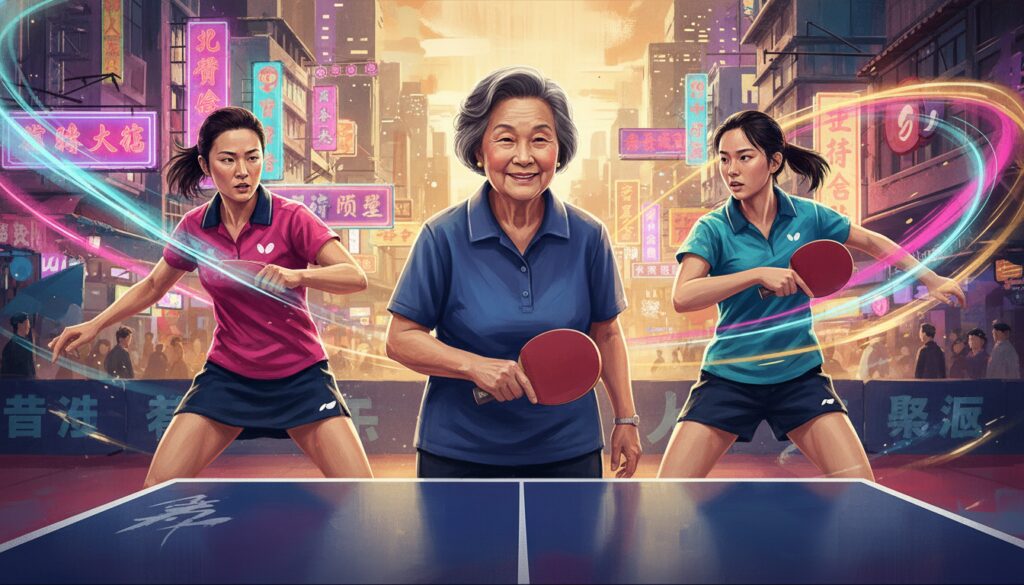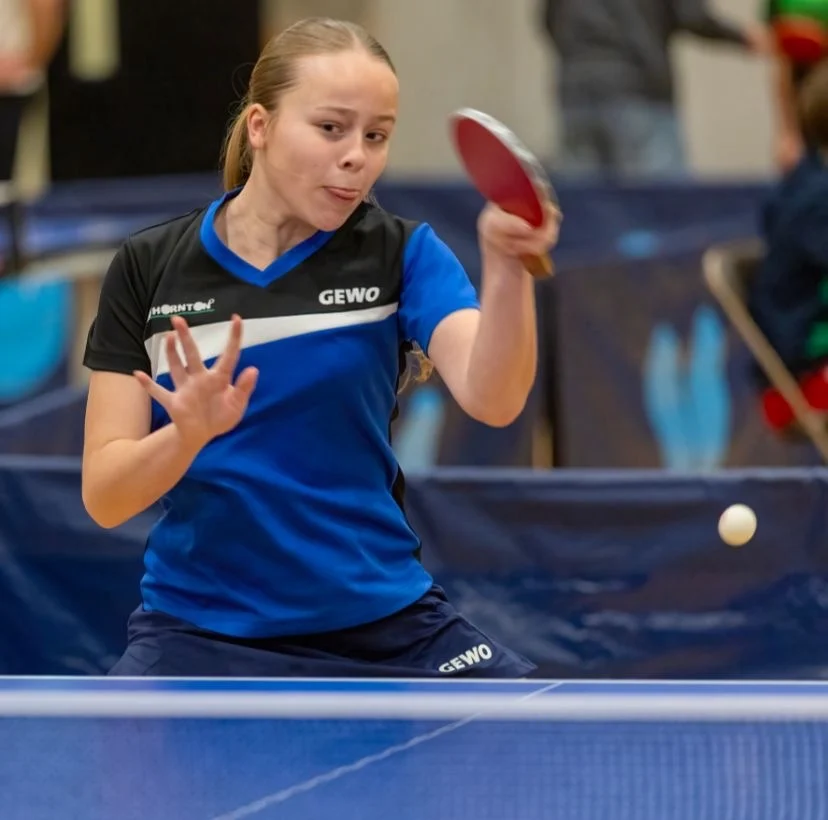
Table tennis has long been a cornerstone of Hong Kong’s sporting identity, but the global landscape of the game is shifting rapidly. With advancements in equipment technology and changes in match rules, the city has had to pivot its strategies to maintain its competitive edge on the world stage.
The transition from celluloid to plastic balls significantly altered the physics of the game, requiring players to generate more power and spin. Hong Kong’s elite athletes have embraced these changes, focusing on physical conditioning and technical precision to counter international rivals.
Hong Kong’s Strategic Shift to Professionalism
Central to this evolution is the Hong Kong Sports Institute (HKSI), which provides a world-class environment for athletes. By professionalizing every aspect of the sport—from nutrition to physiotherapy—Hong Kong ensures its players are prepared for the rigors of modern international circuits.
The institutional support allows players to focus entirely on their craft. This professionalized structure is essential in an era where the difference between a podium finish and an early exit is often measured in marginal gains.
Technological Integration in Training
Modern training in Hong Kong now incorporates sophisticated data analytics. Coaches use high-speed cameras and AI-driven software to analyze ball trajectory and player footwork, allowing for minute adjustments that can decide the outcome of a match.
Technological tools currently utilized by Hong Kong teams include:
- Video playback analysis for tactical review and opponent scouting
- AI-driven performance metrics to track swing speed and contact points
- Biometric monitoring to manage athlete fatigue and prevent injuries
Adapting to the Plastic Ball Era
The introduction of the 40+ plastic ball reduced the overall spin and speed of the game compared to the old celluloid versions. Hong Kong coaches responded by emphasizing aggressive backhand techniques and increasing the physical strength of players to compensate for the loss of natural velocity.
This shift has led to a change in the physical profile of the typical Hong Kong player. There is now a much greater emphasis on core strength and explosive lateral movement, which are critical for sustaining long rallies that have become more common with the slower ball.
Tactical Adjustments: Power vs. Finesse
While traditional Hong Kong styles often favored speed and placement, the modern trend demands sheer power. Players like Wong Chun Ting have successfully blended traditional penhold grips with modern backhand loops, showcasing a unique hybrid style that challenges the status quo.
Tactical innovation also extends to service and return strategies. The use of the ‘banana flick’ has become a standard requirement for Hong Kong players, allowing them to seize the initiative early in the rally and negate the opponent’s service advantage.
Grassroots Development and Youth Pathways
To sustain success, Hong Kong has invested heavily in its youth. The Hong Kong Table Tennis Association (HKTTA) works closely with local schools to identify talent early, providing a clear pathway from amateur play to the professional ranks.
By creating a competitive environment at the junior level, the city ensures that its young athletes are battle-hardened before they ever reach the international stage. This pipeline is vital for replacing veteran players and maintaining a consistent presence in the top rankings.
Nurturing the Next Generation
Programs such as the Hang Seng Table Tennis Academy have been instrumental in this regard. These initiatives provide structured training and tournament experience, ensuring a steady pipeline of talent capable of competing with the world’s best.
The academy focus includes:
- Early identification of technical aptitude and physical potential
- Regular local tournaments to build match experience
- Scholarships for promising athletes to train full-time
Global Collaborations and Competitive Edge
Hong Kong frequently sends its top players to train in Mainland China, gaining exposure to the world’s most dominant training methodologies. These exchange programs allow local players to sharpen their skills against diverse playing styles and high-intensity environments.
Furthermore, participation in the T2 Diamond and WTT (World Table Tennis) series has given Hong Kong players more opportunities to earn ranking points and face top-tier competition regularly, which is crucial for maintaining a high seed in Olympic events.
Psychological Resilience and Mental Coaching
Modern table tennis is as much a mental game as a physical one. Hong Kong now employs sports psychologists to help athletes manage the pressure of major tournaments like the Olympics or World Championships, fostering a culture of mental toughness.
In conclusion, Hong Kong’s ability to adapt to modern table tennis trends is a result of its holistic approach. By combining technological innovation with a robust youth development system and international collaboration, the city remains a formidable force in the global arena.