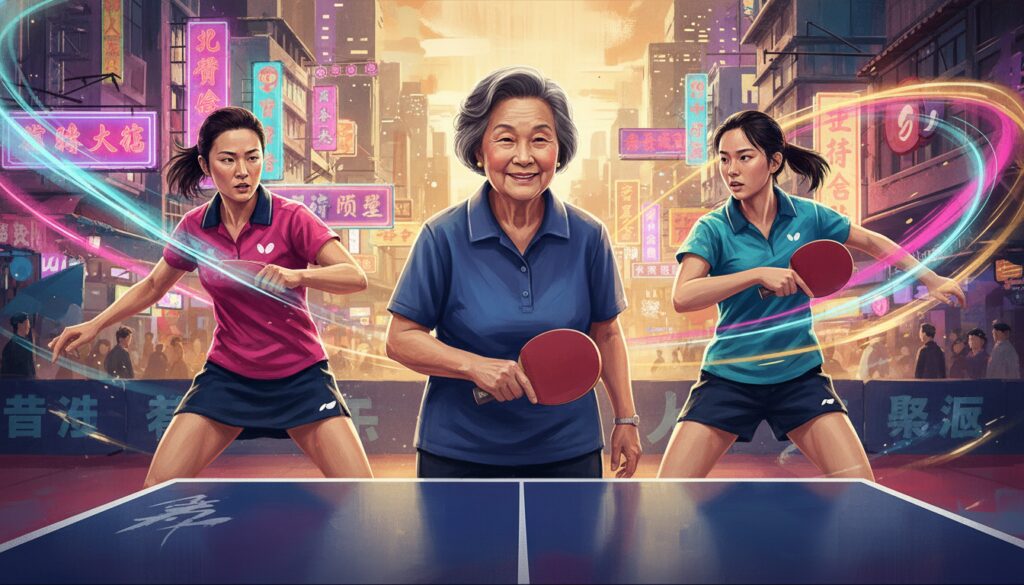
In recent years, Hong Kong has witnessed a golden era in competitive sports, marked by historic Olympic gold medals and consistent podium finishes on the international stage. While the grit and determination of the athletes are undeniable, there is a silent engine driving this success: the rapid advancement and integration of sports science. No longer just a supplementary aspect of training, sports science has become the backbone of player development in Hong Kong, influencing everything from youth recruitment to elite performance optimization.
The transition from traditional coaching methods to evidence-based practice has revolutionized how athletes are developed in the region. This holistic approach encompasses biomechanics, physiology, psychology, nutrition, and performance analysis. By leveraging data and scientific principles, coaches and trainers in Hong Kong are now able to tailor programs that maximize human potential while significantly reducing the risk of injury.
The Evolution of Athletic Training in Hong Kong
Historically, sports training in Hong Kong relied heavily on volume and repetition. However, the establishment and expansion of the Hong Kong Sports Institute (HKSI) have catalyzed a shift toward quality and precision. The HKSI serves as the epicenter for elite training, providing state-of-the-art facilities where science meets sweat. This institutional support has trickled down to local clubs and associations, creating a more sophisticated sporting ecosystem.
Today, player development is viewed through the lens of the Long-Term Athlete Development (LTAD) model. This framework respects the biological and psychological growth stages of young athletes, ensuring that training loads are appropriate for their developmental age rather than just their chronological age. This scientific pacing helps prevent burnout, a common issue in highly competitive academic environments like Hong Kong.
Key Pillars of Sports Science in Performance
To understand the impact of sports science, it is essential to break down its core components and how they are applied specifically within the Hong Kong context.
Biomechanics and Movement Efficiency
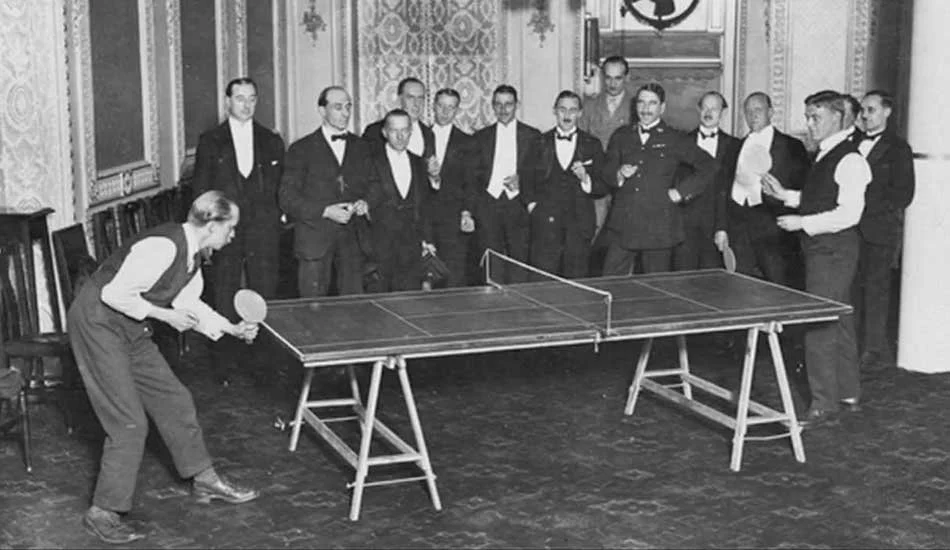
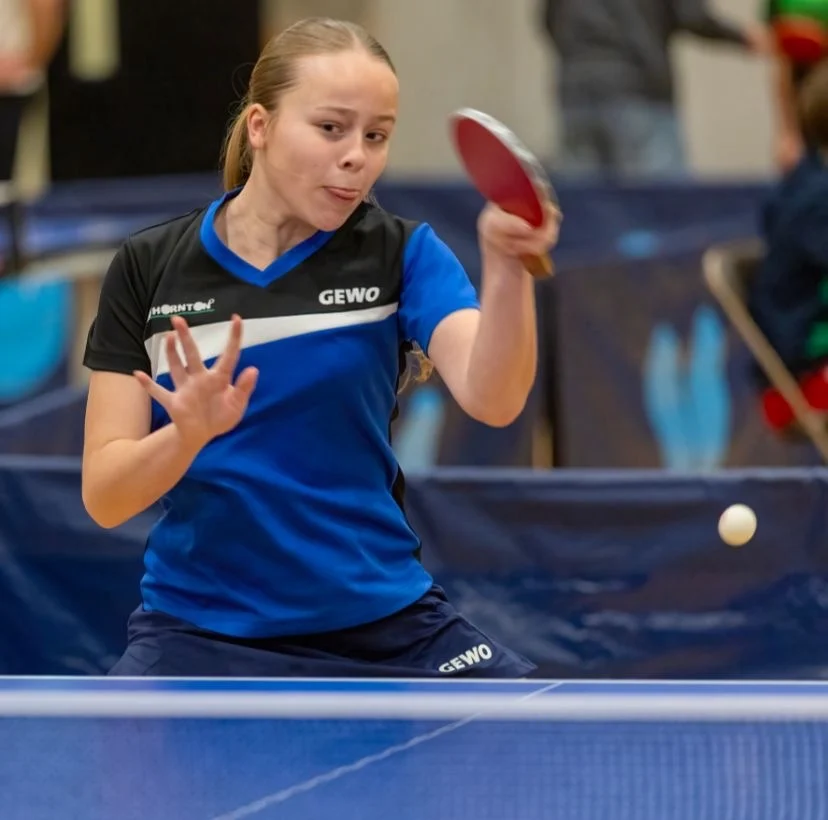
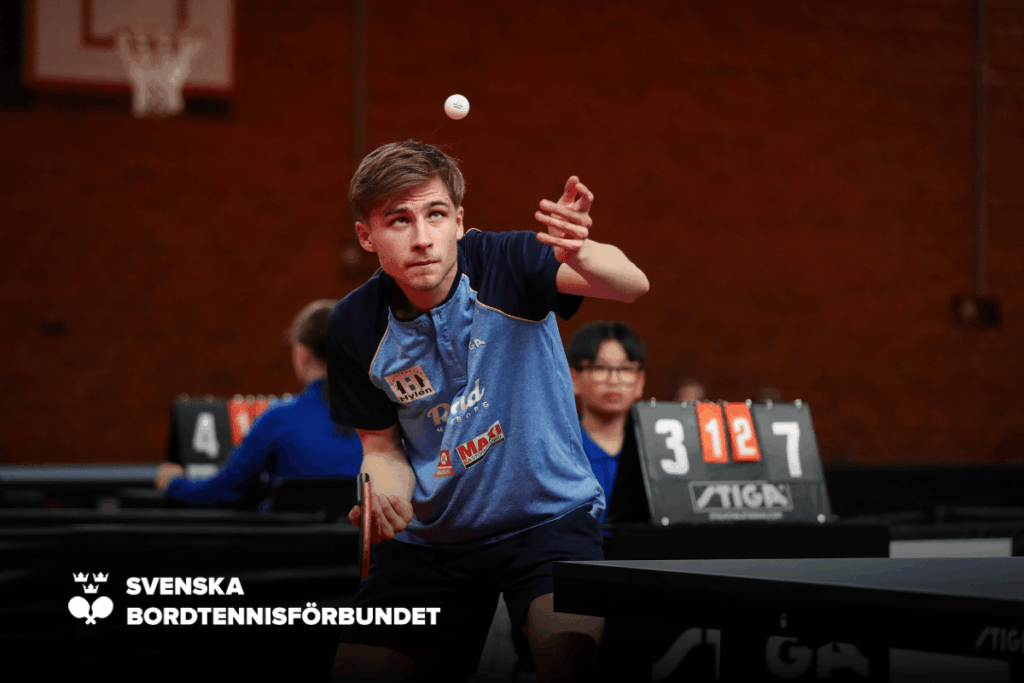
Biomechanics plays a crucial role in technical sports such as fencing, swimming, and table tennis—disciplines where Hong Kong excels. Using high-speed cameras and motion capture technology, experts analyze an athlete’s movement patterns to identify inefficiencies. For a swimmer, a slight adjustment in stroke angle can shave off milliseconds; for a fencer, optimizing the lunge mechanics can improve reach and recovery speed.
Physiology and Conditioning
Hong Kong’s humid subtropical climate presents unique physiological challenges. Sports scientists continuously monitor athletes’ responses to heat and humidity, tailoring hydration strategies and cooling protocols to maintain peak performance. Physiological testing, such as VO2 max and lactate threshold assessments, allows trainers to prescribe precise conditioning programs that enhance endurance and power without overtraining the athlete.
Sports Psychology and Mental Resilience
The mental aspect of the game is increasingly recognized as a determinant of success. Hong Kong athletes often face immense pressure from the public and the media. Sports psychologists work closely with players to develop mental resilience, focus, and coping mechanisms. Techniques such as visualization, mindfulness, and biofeedback are now standard parts of the training regimen, helping athletes perform under the bright lights of the Olympics or Asian Games.
The Role of Data Analytics and Technology
In the modern era, data is king. The integration of wearable technology has transformed team sports like rugby and football in Hong Kong. GPS trackers and heart rate monitors provide real-time data on player work rates, distance covered, and impact loads. This data allows coaching staff to make informed decisions during matches and training sessions.
- Load Management: Preventing injuries by monitoring acute and chronic training loads.
- Tactical Analysis: Using video analysis software to study opponent patterns and refine team strategies.
- Recovery Monitoring: Tracking sleep quality and heart rate variability to assess readiness to train.
Nutrition and Recovery Strategies
Fueling the body correctly is paramount for development. Sports nutritionists in Hong Kong design individualized meal plans that cater to the specific energy demands of different sports. Given the local food culture, dietitians often work to adapt traditional Hong Kong diets to meet high-performance needs, educating athletes on how to make healthy choices even when dining out.
Recovery has also become a science in itself. Beyond stretching, elite centers in Hong Kong now utilize cryotherapy, hydrotherapy, and pneumatic compression devices to accelerate muscle repair. These interventions allow athletes to train at higher intensities more frequently, which is essential for keeping up with global competition.
Challenges and Future Directions
Despite the successes, challenges remain in democratizing sports science across Hong Kong. While elite athletes at the HKSI have access to world-class support, grassroots clubs and school teams often lack the budget for advanced technology or specialized staff. Bridging this gap is essential for broadening the talent pool.
Furthermore, there is a growing need for education. Parents and amateur coaches must be educated on the benefits of scientific training methods to move away from the “no pain, no gain” mentality that can be detrimental to youth development. University programs in Hong Kong are increasingly focusing on sports science degrees, producing a new generation of experts ready to support the industry.
Conclusion
The role of sports science in Hong Kong player development cannot be overstated. It has transformed the landscape from one of participation to one of high performance and international competitiveness. By integrating biomechanics, psychology, nutrition, and data analytics, Hong Kong is not just producing athletes who work harder, but athletes who train smarter. As technology continues to advance, the marriage between science and sport will undoubtedly yield even greater achievements for the city in the years to come.