Hong Kong’s sporting history is a tapestry woven with moments of grit, determination, and unexpected triumphs. At the heart of these victories stand the captains—individuals who carried the weight of a city-state on their shoulders and inspired their teammates to exceed their limits. From the football pitches of the 20th century to the modern rugby stadiums, leadership has been the defining factor in Hong Kong’s pursuit of glory.
The role of a captain in Hong Kong goes beyond mere tactical instruction; it involves navigating a unique cultural landscape where professional sports often compete with academic and financial priorities. A successful captain in this context must be a mentor, a diplomat, and a fierce competitor. This article delves into the lives and achievements of those who have donned the armband and led Hong Kong to the podium.
Football Legends: The Pioneers of the Pitch
Football has long been the most popular sport in Hong Kong, and its history is punctuated by leaders who became household names. One cannot discuss Hong Kong football without mentioning the early dominance of the 1950s and 60s, where local talent began to showcase their prowess on the Asian stage.
The 1985 ‘May 19 Incident’ and Chan Fat-chi
Perhaps the most iconic moment in Hong Kong football history occurred on May 19, 1985. Under the leadership of captain Chan Fat-chi, Hong Kong secured a 2-1 victory over China in Beijing, knocking their rivals out of the 1986 World Cup qualifiers. This victory remains a symbol of defiance and tactical brilliance.
Chan Fat-chi was known for his composure under pressure. As a captain, he managed to keep the squad focused despite the intimidating atmosphere of the Workers’ Stadium. His ability to organize the defense and launch counter-attacks was instrumental in achieving what many considered an impossible feat.
Modern Era Leaders: Yapp Hung-fai and the East Asian Games
In the modern era, Yapp Hung-fai stands out as a monumental figure. Known as ‘Hero Fai,’ he captained the Hong Kong side during the 2009 East Asian Games. His leadership from the goal line was pivotal as Hong Kong defeated Japan in a thrilling penalty shootout to claim the gold medal.
Yapp’s influence extends beyond a single tournament. As a long-standing captain of the national team, he has been a vocal advocate for the professionalization of the local league. His resilience during the 2018 World Cup qualifiers, where Hong Kong held China to two goalless draws, solidified his status as one of the city’s greatest leaders.
Rugby Sevens: Dominance on the World Stage
Rugby Sevens is where Hong Kong has consistently punched above its weight. The Hong Kong Sevens tournament is a global spectacle, and the local team has often risen to the occasion under the guidance of exceptional captains.
Rowan Varty is a name synonymous with Hong Kong rugby. Captaining the side during a period of significant growth, Varty led the team to multiple Asian Sevens Series titles. His professionalism and dedication set a new standard for home-grown athletes in a sport traditionally dominated by expatriates.
Jamie Hood and the Asian Games Gold
In 2018, the Hong Kong men’s rugby sevens team achieved a historic milestone by winning the gold medal at the Asian Games in Jakarta. Led by Jamie Hood, the team displayed clinical efficiency throughout the tournament, eventually defeating Japan in the final.
Hood’s leadership style was characterized by tactical intelligence and a ‘lead by example’ work ethic. Under his captaincy, the team developed a cohesive identity that balanced flair with disciplined defensive structures, paving the way for future successes in the international arena.
Cricket Captains and International Recognition
Cricket in Hong Kong has seen a meteoric rise over the last two decades, moving from a niche sport to competing in global ICC events. This journey was navigated by captains who had to build a professional culture from the ground up.
Tanwir Afzal led Hong Kong during one of its most successful periods, including the 2016 ICC World Twenty20. His ability to lead a diverse squad and compete against Test-playing nations like India and Pakistan brought immense pride to the local sporting community.
The Impact of Anshuman Rath
Following Afzal, Anshuman Rath took the reins at a young age. His captaincy was marked by a high-performance mindset. Rath’s leadership during the 2018 Asia Cup, where Hong Kong nearly upset India, showcased the potential of the city’s cricket program. His focus on fitness and mental toughness redefined what was expected of a Hong Kong international cricketer.
Tactical Leadership in Individual and Team Sports
While the term ‘captain’ is often associated with team sports, leadership in Hong Kong sports also manifests in duos and small groups. The synergy between athletes often requires one individual to take the lead in strategy and morale.
The ‘Ping Pong Twins’ and Olympic Glory
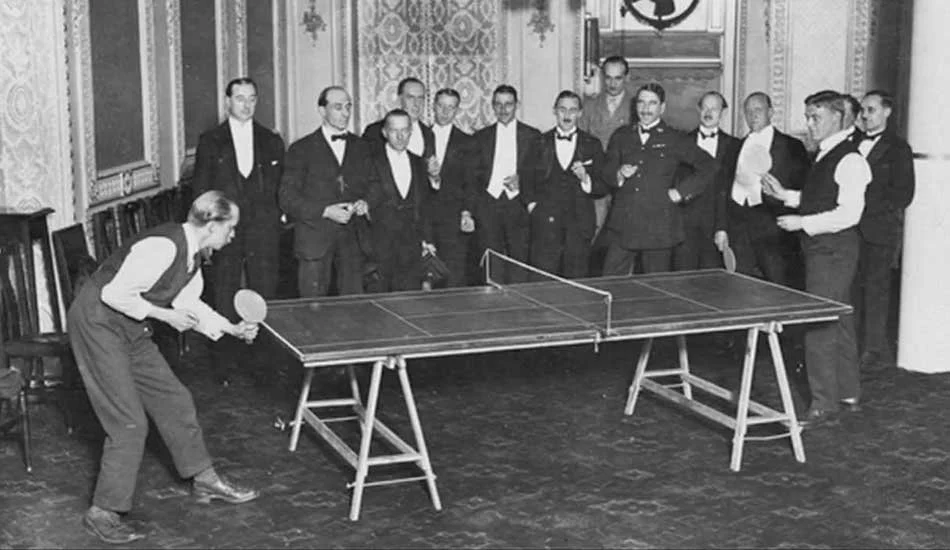
In table tennis, the duo of Li Ching and Ko Lai-chak captured the silver medal at the 2004 Athens Olympics. While they functioned as a pair, Li Ching often took the lead in tactical adjustments. His transition from an Olympic athlete to the head coach of the women’s team—leading them to bronze in Tokyo 2021—demonstrates a lifelong commitment to leadership.
The Psychological Weight of the Armband
Being a captain in Hong Kong involves managing unique pressures. Captains are often the primary point of contact between the players and the sporting associations, requiring them to advocate for better facilities, funding, and recognition.
- Communication: Bridging the gap between diverse cultural backgrounds within a squad.
- Resilience: Maintaining morale in the face of limited professional opportunities.
- Legacy: Ensuring that the values of the team are passed down to the next generation of athletes.
Mentorship and Youth Development
The greatest legacy of a captain is not just the trophies won, but the players they mentored. Leaders like Sarah Lee Wai-sze in cycling, though in an individual sport, acted as a symbolic captain for the entire Hong Kong Olympic contingent. Her success and conduct provided a blueprint for young athletes across all disciplines.
Conclusion: The Enduring Spirit of Hong Kong
The captains of Hong Kong’s sports teams are more than just athletes; they are symbols of the city’s ‘Lion Rock Spirit.’ Through their leadership, they have proven that a small city can compete and win on the biggest stages. As Hong Kong continues to invest in its sporting infrastructure, the lessons learned from these legendary captains will remain the foundation of future glory.