Table tennis, colloquially known as ping pong, is far more than a recreational activity in Hong Kong; it is a cultural phenomenon that permeates the city’s social fabric. From the high-tech training facilities of the Hong Kong Sports Institute to the humble concrete tables found in public housing estates, the sport bridges generational gaps and fosters a sense of community identity.
The Historical Evolution of the Sport
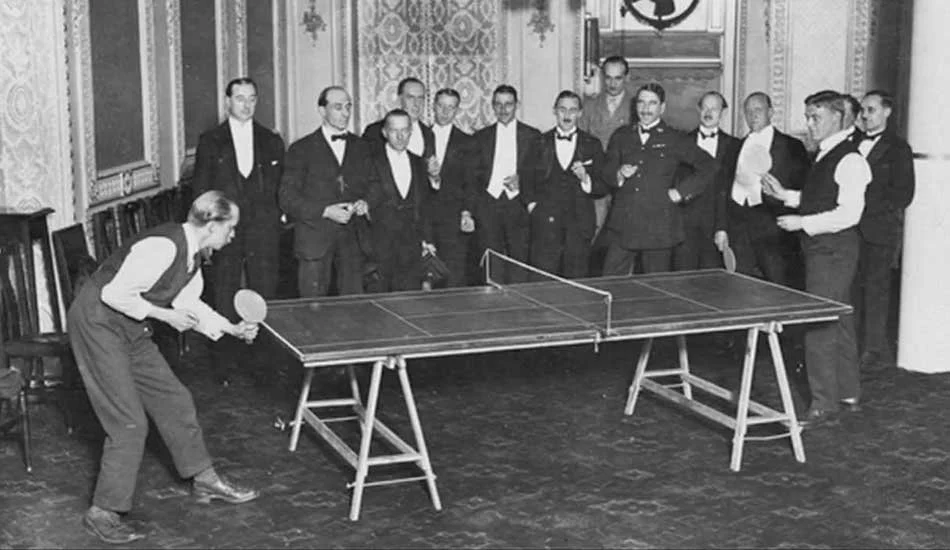
The roots of table tennis in Hong Kong can be traced back to the mid-20th century. During the post-war era, the sport gained massive traction due to its minimal space requirements and low cost of equipment, making it an ideal pastime for a rapidly urbanizing population living in dense conditions.
The Post-War Boom and Early Clubs
In the 1950s and 60s, local sports clubs began to emerge, providing a platform for competitive play. These clubs were instrumental in refining the technical skills of local players, transitioning the game from a casual street activity to a structured discipline that demanded rigor and precision.
Urban Infrastructure and Public Accessibility
One of the primary reasons for the enduring popularity of table tennis in Hong Kong is the strategic investment in public infrastructure. The Leisure and Cultural Services Department (LCSD) manages hundreds of indoor and outdoor tables across the territory, ensuring the sport remains accessible to all socioeconomic classes.
- Indoor Sports Centres: Climate-controlled environments that allow for year-round practice regardless of Hong Kong’s humid weather or typhoon seasons.
- Outdoor Concrete Tables: Often found in parks and housing estates, these tables facilitate spontaneous community interaction and casual play.
- School Facilities: Most primary and secondary schools prioritize table tennis due to its safety and the small footprint required for multiple tables.
The Role of Public Housing Estates
Public housing estates have historically served as the breeding ground for local talent. The presence of tables in common areas encouraged children to pick up a paddle at a young age, often learning from older residents in an informal mentorship system that preserved the sport’s traditions.
Elite Performance and International Success
Hong Kong has consistently punched above its weight on the international stage. The success of professional athletes has played a crucial role in elevating the sport’s status from a hobby to a source of national pride and collective inspiration.
The 2004 Athens Breakthrough
The silver medal won by Ko Lai-chak and Li Ching in the men’s doubles at the 2004 Athens Olympics was a watershed moment for the city. It sparked a renewed interest in the sport and led to significantly increased government funding for elite training programs and youth development.
Recent Triumphs in Tokyo 2020
The bronze medal secured by the women’s team at the Tokyo 2020 Olympics further cemented table tennis as a premier sport in Hong Kong. This victory showcased the depth of local talent and the effectiveness of the long-term development strategies employed by the Hong Kong Table Tennis Association.
Table Tennis as a Social and Health Tool
Beyond competition, table tennis is widely recognized for its health benefits, particularly for the aging population. It is a low-impact sport that improves hand-eye coordination, reflexes, and cognitive function, making it an essential tool for public health.
Inter-generational Connectivity
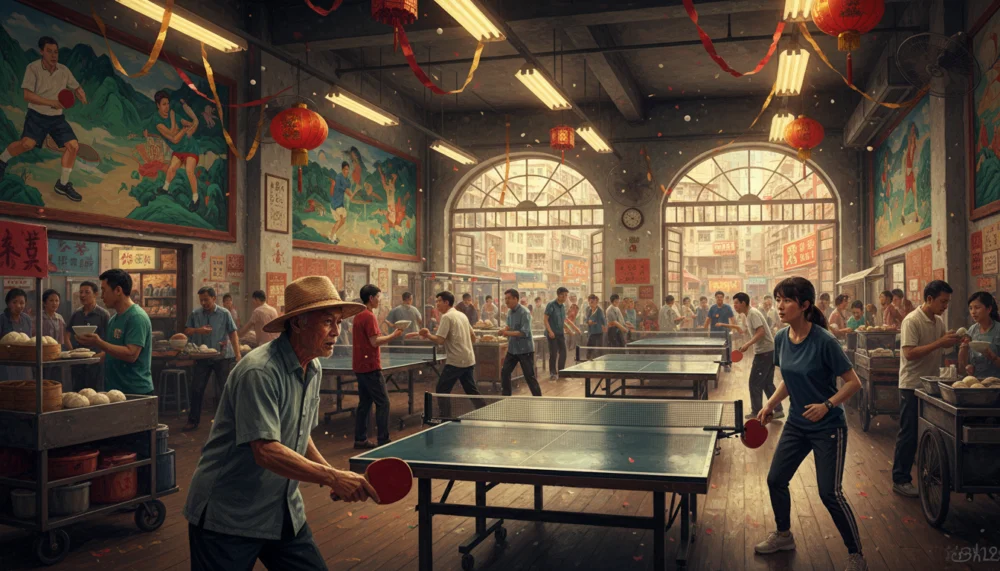
It is common to see elderly citizens playing alongside teenagers in public parks. This inter-generational exchange is a unique aspect of Hong Kong’s table tennis culture, fostering social cohesion and mutual respect across different age groups in an increasingly digital world.
Mental Health and Strategy
Often described as ‘chess on a high-speed treadmill,’ the sport requires intense focus and strategic thinking. For many Hong Kongers, the game serves as a mental escape from the high-pressure environment of the city, providing a healthy outlet for stress relief.
The Future of Table Tennis in the Digital Age
As technology advances, the sport is evolving. Professional players now use sophisticated data analytics and motion capture technology to analyze their performance and refine their techniques, ensuring Hong Kong remains competitive globally.
Grassroots Digital Engagement
Social media and online platforms have made it easier for enthusiasts to find playing partners, join amateur leagues, and watch high-quality tutorials. This digital integration ensures the sport remains relevant to the younger, tech-savvy generation of athletes.
Conclusion: A Lasting Legacy
Table tennis remains an integral part of Hong Kong’s cultural identity. Its ability to adapt to the city’s unique urban constraints while providing a path to international glory ensures that it will continue to thrive for decades to come, serving as a pillar of health, community, and pride.