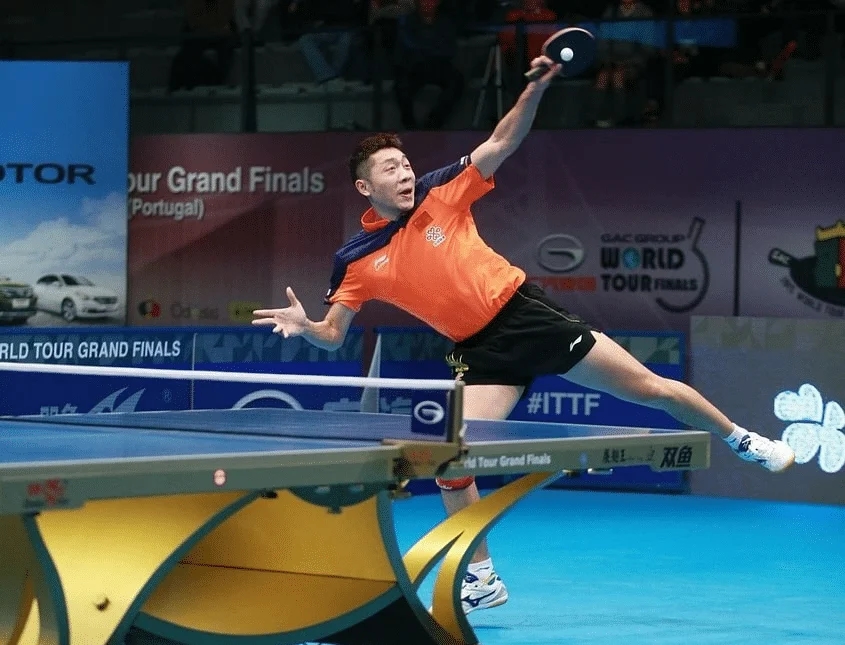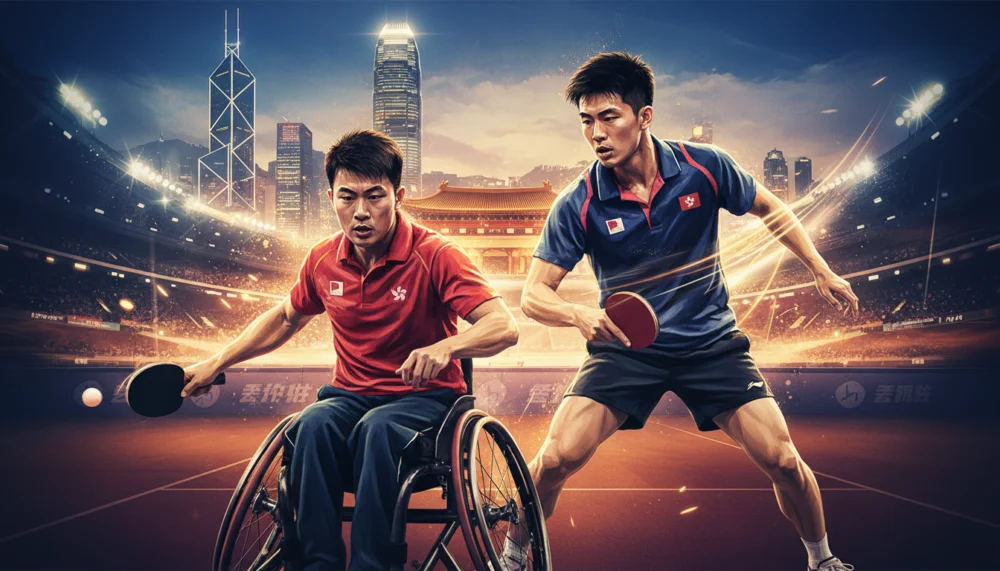
Hong Kong has established itself as a formidable force in the international sporting arena, with para table tennis emerging as one of its most successful and inspiring disciplines. Over the past two decades, the city has witnessed a dramatic surge in the popularity and professionalization of the sport, leading to numerous accolades on the world stage.
The Historical Foundation of Para Table Tennis
The development of para table tennis in Hong Kong was not an overnight success but the result of decades of dedicated effort by sports associations, advocacy groups, and the government. What began as a recreational activity for rehabilitation has transformed into a high-performance sport that commands respect globally.
Early Beginnings and the Role of the HKPC
The Hong Kong Paralympic Committee (HKPC) played a pivotal role in the early 1970s and 80s by introducing structured training for athletes with physical and intellectual disabilities. These early initiatives laid the groundwork for the competitive framework that exists today.
The Hong Kong Sports Institute: A Hub for Excellence
A significant turning point for the sport was the inclusion of para table tennis as an elite sport at the Hong Kong Sports Institute (HKSI). This move provided athletes with access to world-class facilities and a professional environment comparable to that of able-bodied athletes.
Elite Training and Financial Support
Through the HKSI, athletes receive comprehensive support, including professional coaching, sports science interventions, and financial grants. This support system allows them to train full-time, focusing entirely on honing their skills for international competitions.
Global Success and Paralympic Glory
Hong Kong’s para table tennis players have consistently brought home medals from the Paralympic Games, World Championships, and Asian Para Games. These victories have served as a source of national pride and have inspired a new generation of players to take up the paddle.
- Wong Ka-chun: A gold medalist who paved the way for future generations in the intellectual disability category by demonstrating world-class skill.
- Ng Mui-wui: A consistent performer on the world stage, known for her tactical brilliance and resilience under pressure.
- Leung Chu-yan: An experienced coach and former player who transitioned his expertise to the para-squad, elevating the technical standards of the team.
The Impact of Classification on Competition
Understanding the classification system is crucial to appreciating the sport. Athletes are grouped into classes based on the impact of their impairment on sports performance, ensuring a level playing field where skill and strategy are the primary determinants of success.
Fostering a Culture of Inclusion through Grassroots Programs
Beyond elite competition, Hong Kong has focused on grassroots development to ensure a steady pipeline of talent. Community programs aim to identify young prospects early and provide them with the necessary resources to excel.
Partnerships with Schools and NGOs
Many local schools and non-governmental organizations have integrated table tennis into their physical education curricula for students with special needs. These partnerships are essential for promoting social inclusion and physical well-being through sport.
Technological Innovation in Training
The use of video analysis and data-driven performance tracking has revolutionized how Hong Kong athletes prepare for major tournaments. Coaches now use high-speed cameras to analyze swing mechanics and ball trajectory in real-time.
Psychological Support and Mental Toughness
Mental health and sports psychology have become integral parts of the training regimen. Athletes work with specialists to build the mental toughness required to manage the intense pressure of high-stakes international matches.
Challenges and the Road Ahead
Despite the remarkable successes, the sport faces ongoing challenges. These include the need for more accessible community venues and the continuous recruitment of young talent to ensure long-term sustainability as veteran players retire.
The Importance of Public Awareness
Increasing media coverage and public interest are vital for securing corporate sponsorships. When the public engages with para-sports, it creates a virtuous cycle of funding and participation that benefits the entire sporting ecosystem.
Conclusion: A Bright Future for Para Table Tennis
The rise of para table tennis in Hong Kong is a testament to the resilience of the athletes and the effectiveness of the city’s sporting infrastructure. It reflects a broader societal shift toward valuing inclusion and recognizing athletic achievement in all its forms.
As the city continues to invest in its para-sports programs, the future looks incredibly promising for the next generation of paddlers. Through continued support, Hong Kong will undoubtedly remain a dominant force in the world of para table tennis for many years to come.