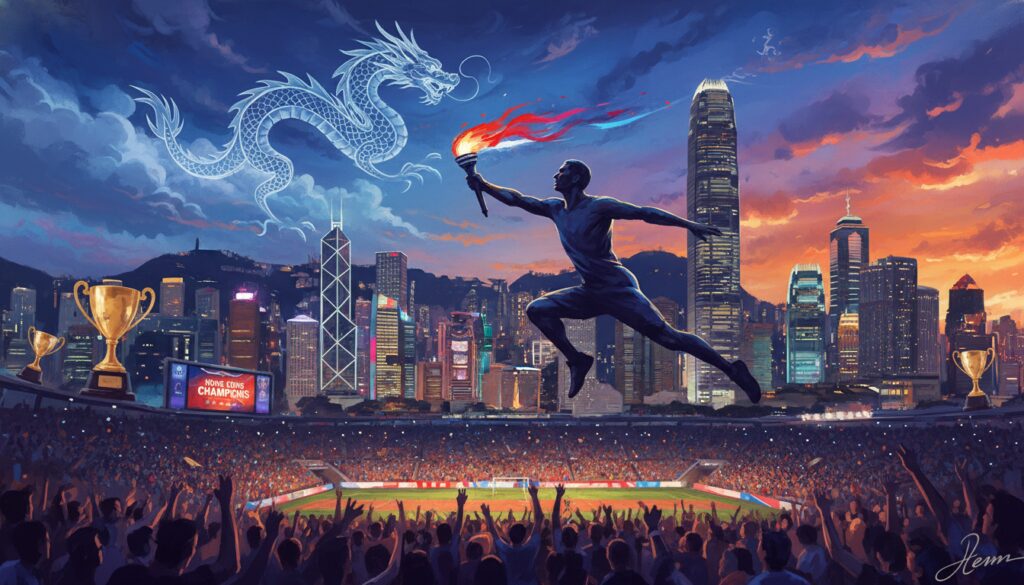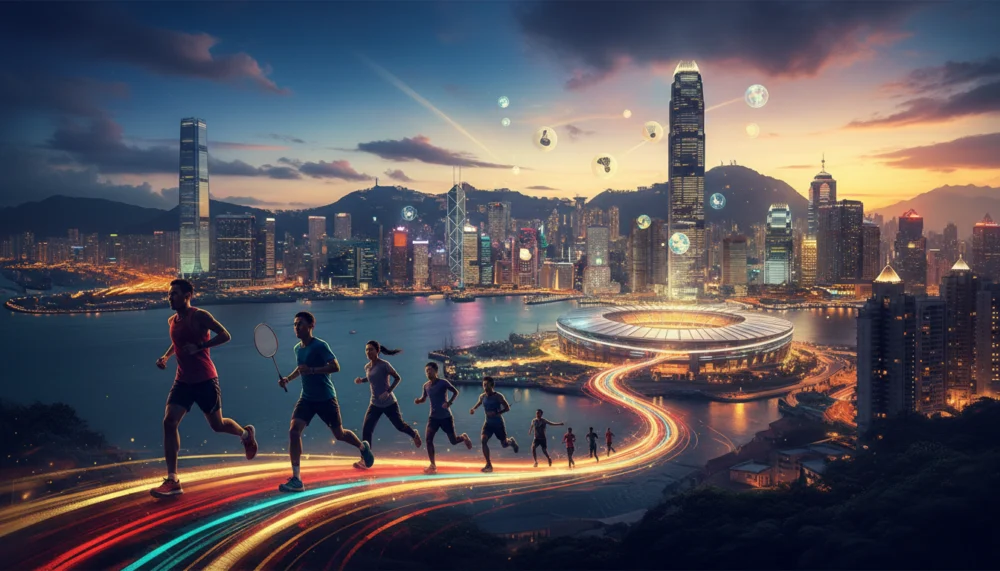
Over the last decade, Hong Kong has undergone a seismic shift in its international sporting profile, transitioning from a regional participant to a formidable global powerhouse. This period, often referred to as the breakthrough years, has seen local athletes consistently climb podiums at the Olympics, World Championships, and across various professional World Tour circuits.
The Golden Era: From Tokyo 2020 to Global Dominance
The Tokyo 2020 Olympic Games, held in 2021, served as the ultimate catalyst for Hong Kong’s sporting renaissance. It was during these games that the city recorded its best-ever performance, capturing multiple medals and igniting a renewed sense of pride across the territory. This success was not an overnight miracle but the culmination of years of rigorous training and strategic planning.
Cheung Ka-long: The Fencing Phenomenon
Cheung Ka-long’s historic gold medal in the men’s individual foil was a defining moment for Hong Kong sports. By defeating the defending champion, Cheung proved that Hong Kong fencers could compete with the world’s elite. His victory on the international stage triggered a massive surge in interest for the sport, leading to increased funding and the development of world-class training facilities.
Siobhan Haughey: Redefining Speed in the Pool
Siobhan Haughey became a household name globally after securing two silver medals in the 100m and 200m freestyle events at the Tokyo Olympics. Her performance on the FINA World Tour and the International Swimming League (ISL) has been nothing short of dominant, as she continues to break world records and establish herself as one of the fastest swimmers in history.
Strategic Investments in Elite Performance
Behind every podium finish lies a robust infrastructure designed to support high-performance athletes. The Hong Kong government, in conjunction with various sporting bodies, has significantly increased its investment in the sports sector, focusing on professionalization and long-term athlete development.
The Hong Kong Sports Institute (HKSI) has been pivotal in this transformation, providing athletes with access to cutting-edge technology and expert staff. Key areas of focus include:
- Enhanced sports science and medical support: Utilizing data analytics to optimize performance and prevent injuries.
- International coaching recruitment: Bringing in world-renowned coaches to introduce global best practices.
- Increased financial grants: Ensuring athletes can focus entirely on their training without financial strain.
Diversity Across Disciplines
While fencing and swimming led the charge, Hong Kong’s breakthrough years have been characterized by success across a wide range of disciplines. The city has demonstrated that it is not a one-sport wonder, but a versatile contender on the international World Tour circuit.
Cycling and the Legacy of Sarah Lee
The “Cycling Queen of Asia,” Sarah Lee Wai-sze, paved the way for future generations. Her consistent success in the UCI Track Cycling World Championships and her Olympic medals established a blueprint for how Hong Kong athletes could dominate high-speed, technical sports on a global scale.
The Rise of Table Tennis and Badminton
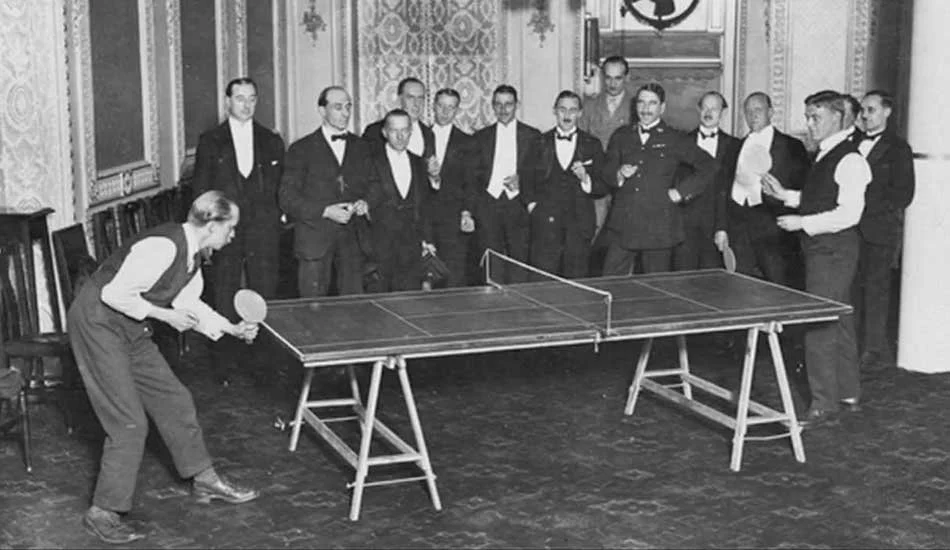
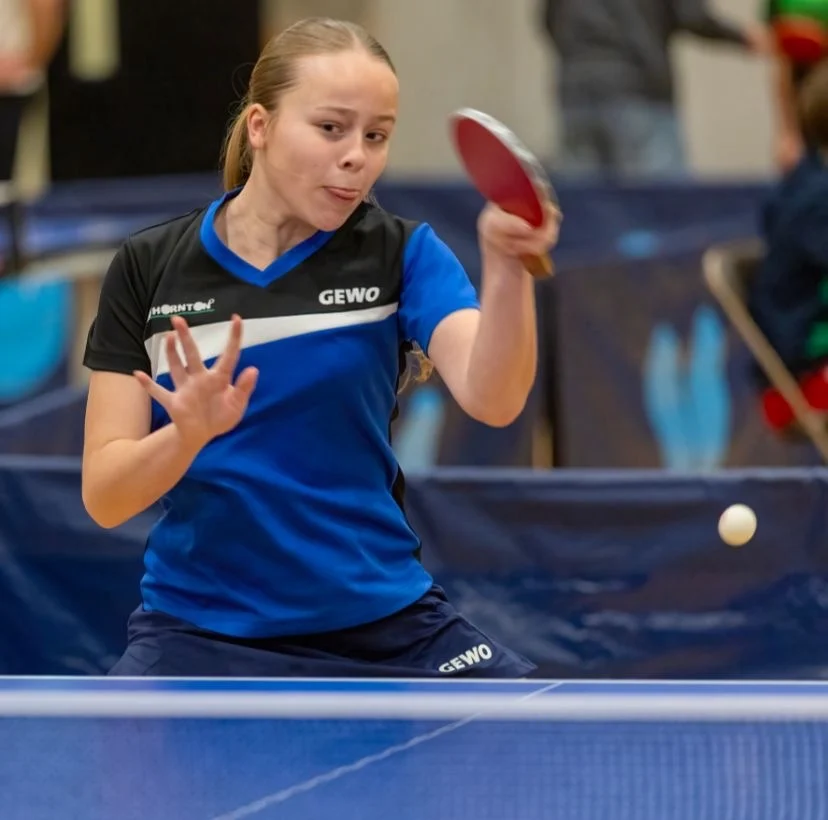
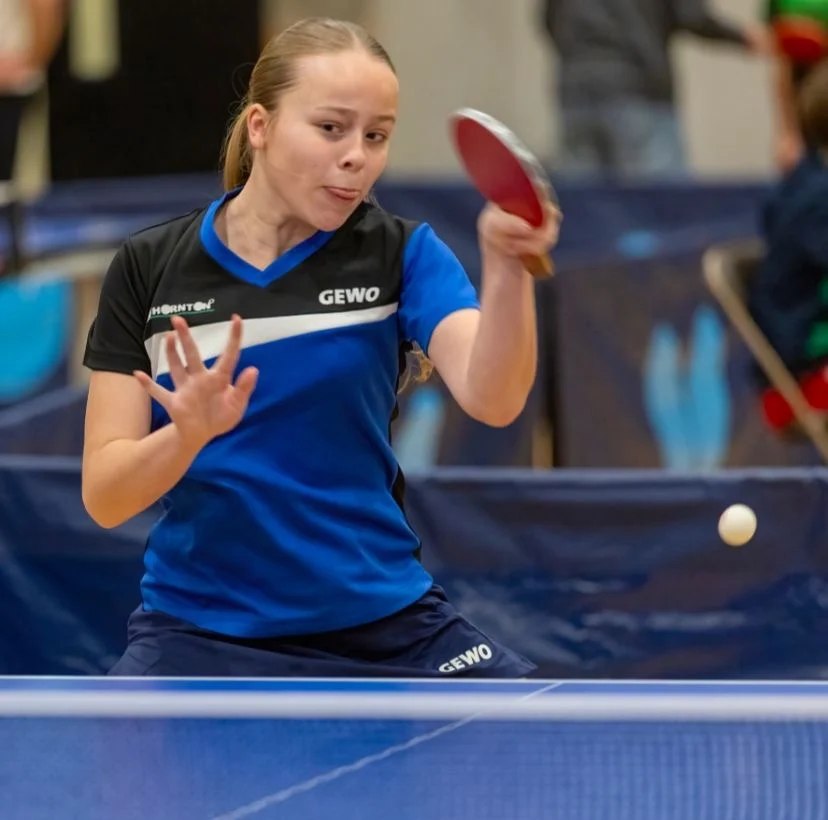
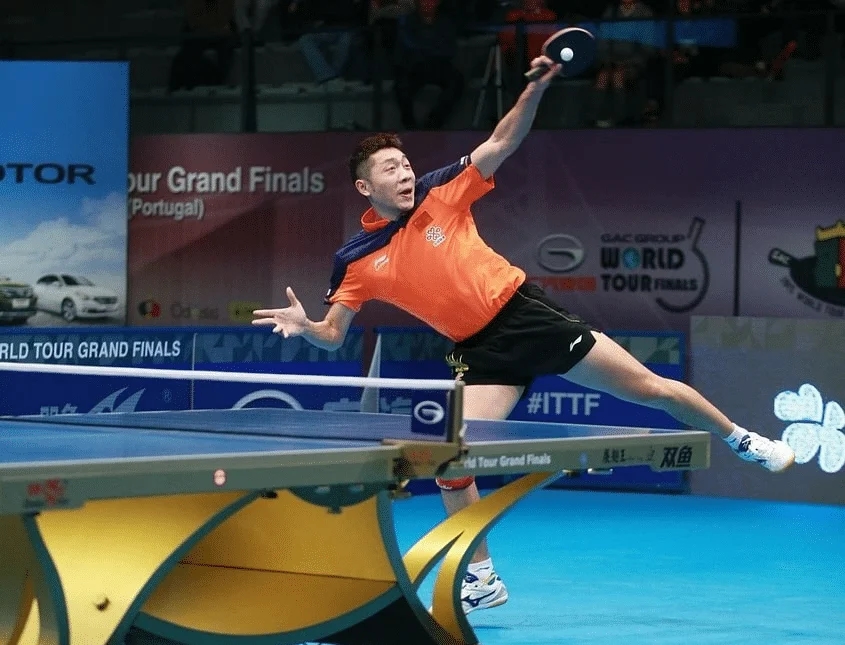
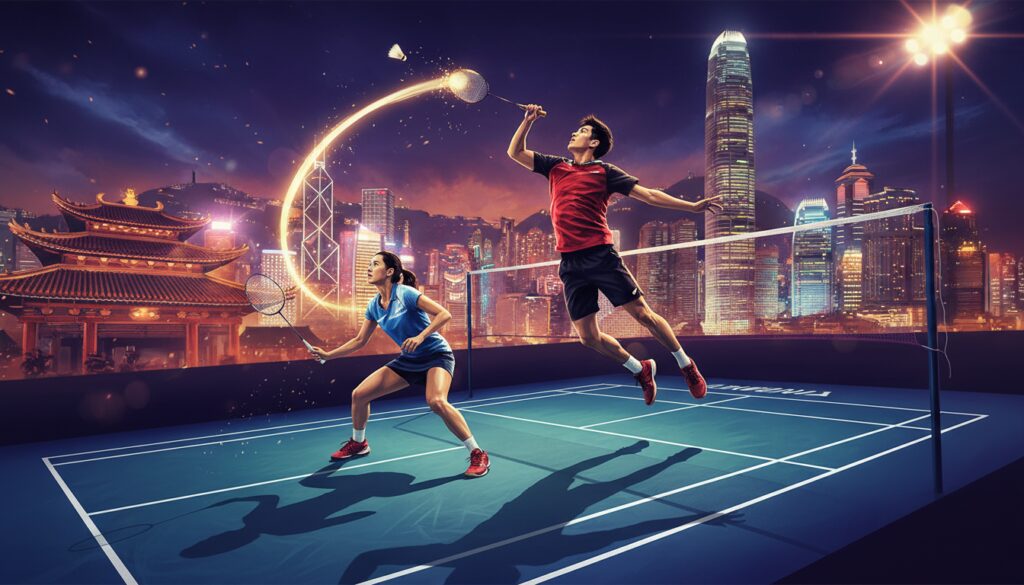
Hong Kong’s table tennis and badminton teams have also seen a resurgence. By participating regularly in the WTT (World Table Tennis) and BWF (Badminton World Federation) World Tours, local players have gained the necessary experience to challenge the traditional dominance of mainland China and Japan.
The Impact of the World Tour Circuit
Participation in the international World Tour circuits has been essential for Hong Kong’s growth. These events provide athletes with the high-pressure environment needed to sharpen their skills against the world’s best. The frequency of these competitions allows for continuous improvement and helps athletes maintain their world rankings.
Furthermore, hosting international events like the Hong Kong Sevens and the Hong Kong Open has brought the world to the city’s doorstep. These events serve as a platform for local talent to showcase their abilities in front of a home crowd while boosting the city’s reputation as a premier destination for international sports.
Challenges and the Road Ahead
Despite the unprecedented success, maintaining this momentum requires addressing several ongoing challenges. The transition from junior to senior levels remains a critical phase where many talented athletes struggle to stay competitive.
Additionally, the need for more specialized training venues and the integration of sports into the academic curriculum are vital for long-term sustainability. The government’s commitment to building the Kai Tak Sports Park is a significant step toward providing the necessary infrastructure for the next generation of champions.
Conclusion: A Lasting Legacy
Hong Kong’s breakthrough years on the international World Tour have proven that size is no barrier to sporting excellence. Through a combination of individual talent, strategic investment, and a relentless drive for success, the city has firmly established itself on the global sporting map.
As we look toward future Olympic cycles and World Championships, the foundation laid during these breakthrough years will undoubtedly serve as the springboard for even greater achievements. Hong Kong is no longer just a participant; it is a contender that the world must take seriously.