The competitive landscape of table tennis in Hong Kong is renowned for its speed, precision, and tactical depth. To excel in this high-pressure environment, players must move beyond basic strokes and master advanced spin variations that can deceive and overwhelm even the most seasoned opponents.
Spin is the soul of modern table tennis. It dictates the trajectory of the ball, the bounce on the table, and the reaction upon hitting the opponent’s racket. Mastering these nuances is essential for any player looking to climb the local rankings and succeed in regional tournaments.
The Fundamental Physics of Advanced Spin
To develop advanced variations, one must first understand the Magnus effect. This physical phenomenon explains how a spinning ball creates pressure differences in the surrounding air, causing it to curve or dip. In a high-stakes Hong Kong match, understanding this allows for better ball placement and prediction.
The interaction between the ball and the rubber surface is where the magic happens. High-tension rubbers, common among professional players in the region, allow for greater dwell time, enabling the generation of massive amounts of rotation through precise contact points.
Mastering the Heavy Topspin Loop
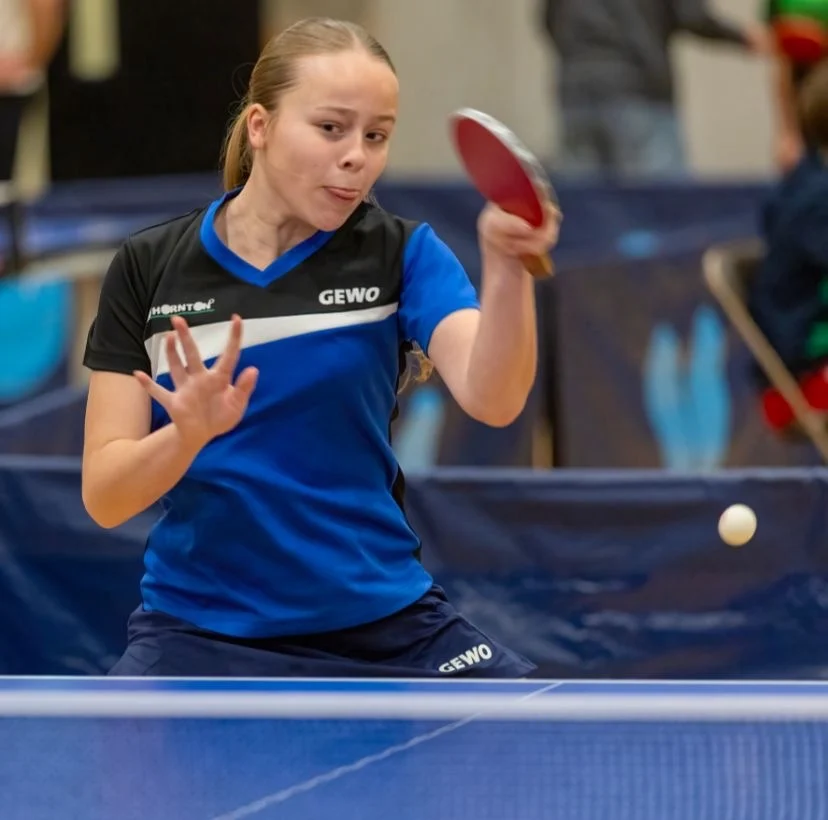
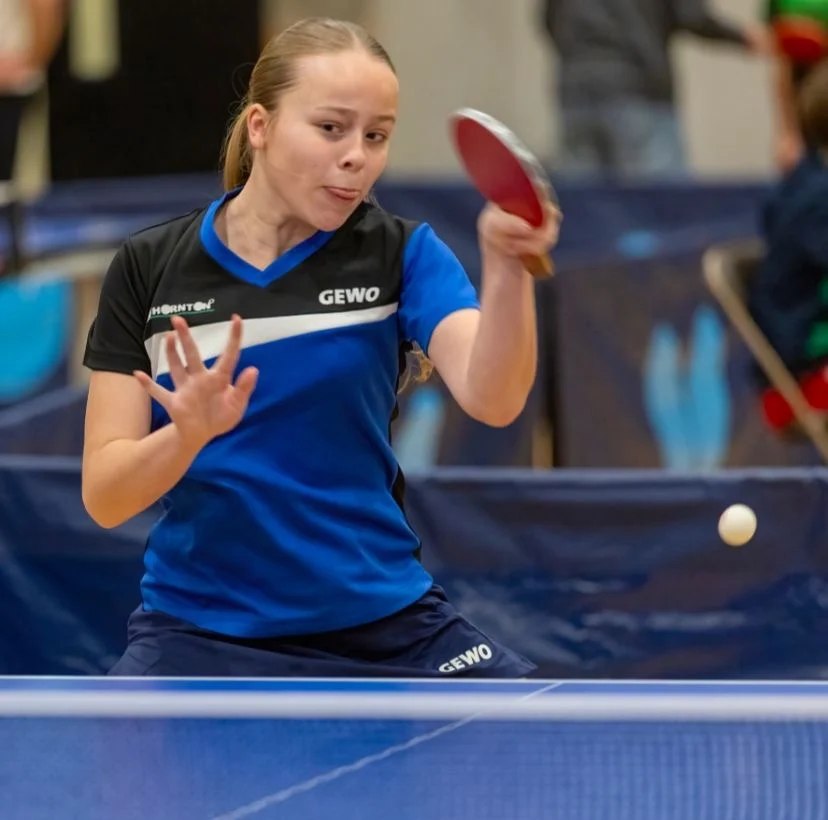
The heavy topspin loop is a staple of aggressive play in the modern game. By brushing the ball at a steep angle with high racket speed, players can create a ball that dips sharply and jumps forward upon contact. This forces the opponent into a defensive stance, giving you control of the rally.
Integrating Side-Spin into the Loop
Adding side-spin to a topspin loop creates a ‘curveball’ effect that is difficult to read. In Hong Kong’s fast-paced matches, a loop that curves away from the opponent’s reach or into their body can be an immediate point-winner. This requires a subtle shift in the wrist angle at the exact moment of impact.
The combination of topspin and side-spin not only changes the flight path but also alters how the ball kicks off the opponent’s paddle, often resulting in a return that flies off the side of the table.
The Defensive Edge: Backspin and Under-spin Variations
While offense is vital, the ability to manipulate backspin is equally important for a balanced game. A heavy backspin push can prevent an opponent from starting their attack, forcing them to lift the ball and potentially leaving them vulnerable to a powerful counter-attack.
The Deceptive ‘No-Spin’ Ball
One of the most effective advanced techniques is the ‘no-spin’ or ‘dead’ ball. By mimicking the motion of a heavy spin stroke but making flatter contact, you can trick the opponent into over-adjusting. This usually leads to the ball popping up or going into the net.
Mastering the transition between heavy backspin and no-spin is a hallmark of elite players in the Hong Kong circuit, as it exploits the opponent’s expectations and timing.
Advanced Service Techniques in Hong Kong
In Hong Kong’s competitive circles, the serve is often the most critical phase of the game. Advanced players utilize variations of the Pendulum Serve and the Reverse Pendulum Serve to hide the direction and intensity of the spin until the last possible microsecond.
The Tomahawk Serve: A Tactical Weapon
The Tomahawk serve, characterized by its lateral movement and high-to-low motion, is particularly effective at disrupting an opponent’s rhythm. When executed with varying degrees of side-top or side-backspin, it becomes a nightmare for the receiver to return accurately.
By varying the contact point on the ball during a Tomahawk serve, a player can produce entirely different spin profiles using the same arm motion, creating immense pressure on the receiver.
Tactical Implementation in Match Play
Success in Hong Kong tournaments isn’t just about technical skill; it’s about tactical application. Players must learn to ‘read’ the spin on the incoming ball by observing the opponent’s racket angle and the rotation of the ball’s logo during flight.
Adjusting to the Speed of Local Players
Hong Kong players are known for their proximity to the table and quick reflexes. To counter this, using short, heavy spin variations can draw them in, while long, fast spin shots can push them back, creating structural openings in their defense.
Strategic variation between deep, heavy-spin loops and short, spin-less drops keeps the opponent off-balance and prevents them from establishing a comfortable hitting rhythm.
Training Regimes for Spin Development
Developing these advanced skills requires dedicated and structured practice. Players should focus on specific drills designed to enhance their touch and sensitivity to the ball.
- Multi-ball drills focusing on rapid transitions between different spin types.
- Using a table tennis robot to practice returning consistent heavy spin.
- Shadow training to perfect the arm and wrist mechanics without the distraction of the ball.
- Video analysis of professional matches to study the contact points of top-tier players.
Consistency is key. Training sessions should focus on the transition between different spin types, ensuring that the player can switch from a heavy topspin loop to a delicate backspin drop shot seamlessly during a live rally.
Conclusion: The Path to Excellence
Mastering advanced spin variations is a journey of continuous learning and refinement. For players in Hong Kong, where the level of competition is exceptionally high, these skills are the bridge between being a participant and being a true champion.
By combining technical mastery with strategic thinking, you can turn spin into your greatest asset on the table. Start incorporating these variations into your daily practice and watch your competitive performance reach new heights in the local arena.