A comprehensive meta-analysis published in late 2024 has provided robust evidence that elastic-band resistance training (EBRT) serves as a highly effective intervention for improving the cardiometabolic health of older, sedentary adults. The study, conducted by Saez-Berlanga and a team of researchers, synthesized data from 23 controlled trials involving more than 1,100 participants. The findings indicate that the use of portable, low-cost elastic bands can produce physiological improvements comparable to traditional weightlifting and aerobic exercise, specifically targeting biomarkers associated with metabolic syndrome, cardiovascular disease, and type 2 diabetes.
Core Findings and Clinical Significance
The research, which pooled data from 23 separate trials, focused on a demographic often overlooked in high-intensity fitness discourse: older adults with a mean age of 70.4 years. The study population was predominantly female, comprising 92% of the 1,134 total participants. This group is statistically at a higher risk for metabolic syndrome—a cluster of conditions including increased blood pressure, high blood sugar, excess body fat around the waist, and abnormal cholesterol levels.
The results of the meta-analysis were remarkably consistent across several key health indicators. Participants engaging in EBRT saw a mean reduction in body fat percentage of approximately 1.44 percentage points, alongside an average fat mass loss of 1.6 kilograms. Beyond body composition, the biochemical markers of cardiovascular health showed significant optimization. Total cholesterol levels dropped by an average of 18.2 mg/dL, while low-density lipoprotein (LDL), often referred to as "bad" cholesterol, decreased by 11.0 mg/dL. Conversely, high-density lipoprotein (HDL), the "good" cholesterol, saw a beneficial increase of 2.4 mg/dL.
Furthermore, the study highlighted improvements in glycemic control and vascular health. Fasting glucose levels decreased by approximately 9 mg/dL, a meaningful shift for individuals at risk of pre-diabetes. Blood pressure readings also showed marked improvement, with systolic pressure falling by 7.7 mmHg and diastolic pressure by 5.5 mmHg. These changes, while seemingly modest in isolation, represent a significant cumulative reduction in the risk of stroke and myocardial infarction when applied across a population.
Chronology and Evolution of Resistance Research
The Saez-Berlanga meta-analysis represents the culmination of a multi-year shift in sports science and geriatric medicine. Historically, resistance training was synonymous with "pumping iron"—the use of heavy dumbbells, barbells, and complex machinery found in commercial gyms. Throughout the late 20th century, aerobic exercise (such as jogging or swimming) was prioritized for cardiovascular health, while resistance training was viewed primarily as a tool for hypertrophy or athletic performance.
However, the timeline of exercise science has evolved. In the early 2000s, researchers began investigating the role of skeletal muscle as an endocrine organ. This led to a decade of studies confirming that muscle contraction, regardless of the resistance medium, triggers the release of myokines—signaling proteins that communicate with the liver, adipose tissue, and the brain to regulate metabolism.
By the 2010s, clinical trials began specifically targeting the "silver tsunami"—the rapidly aging global population. Researchers sought exercise modalities that were safer, more accessible, and less intimidating than traditional gyms. Elastic bands emerged as a primary candidate due to their progressive resistance and low impact on joints. The Saez-Berlanga study, which analyzed literature through September 2024, serves as the most recent and definitive confirmation of this trend, moving EBRT from a "secondary" exercise option to a primary recommendation for metabolic intervention.
Physiological Mechanics: The Role of the Muscle as an Endocrine Organ
To understand why simple rubber bands can produce such profound systemic changes, it is necessary to examine the underlying physiology. Modern exercise science recognizes that muscles are not merely levers for movement but are active participants in the body’s endocrine system. When muscles are challenged by the resistance of an elastic band, they undergo metabolic stress that initiates several biochemical pathways.
One of the primary mechanisms is the translocation of GLUT4, a glucose transporter protein. Resistance training increases the expression of GLUT4 in skeletal muscle, allowing the body to clear glucose from the bloodstream more efficiently, even in the absence of insulin. This explains the 9 mg/dL drop in fasting glucose observed in the meta-analysis.
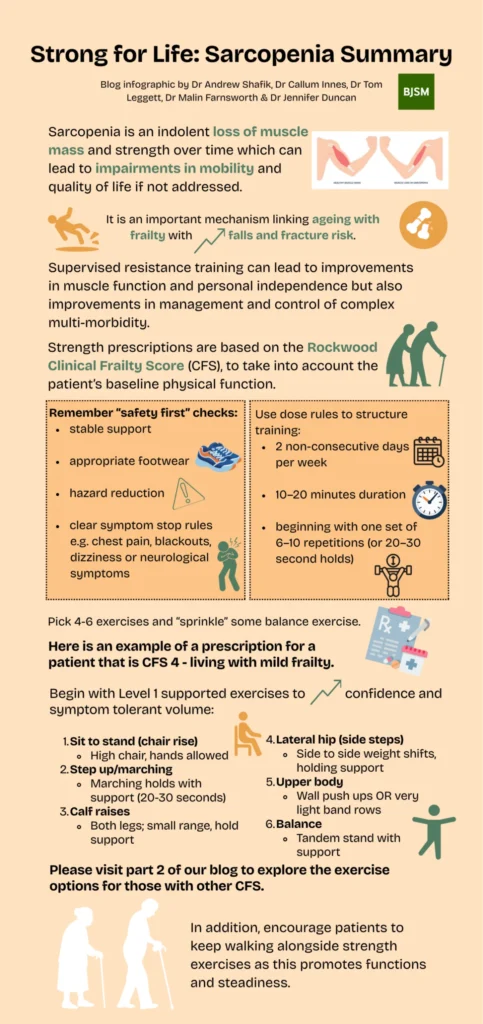
Additionally, the resistance provided by elastic bands stimulates the oxidation of fatty acids. Unlike aerobic exercise, which primarily burns calories during the activity, resistance training increases the basal metabolic rate by maintaining or increasing lean muscle mass. This shift in body composition is critical for older adults, who are prone to sarcopenia—the age-related loss of muscle mass. By preserving muscle through EBRT, individuals can maintain a more efficient metabolic profile, leading to the observed reductions in total cholesterol and triglycerides.
Comparative Analysis: EBRT vs. Traditional Modalities
The study’s findings reinforce the concept that "exercise is exercise," regardless of the equipment used. When compared to non-active control groups, the EBRT groups showed consistent improvements that rivaled those typically seen in traditional weight-training programs.
Traditional resistance training (TRT) using free weights or machines offers a high degree of mechanical tension, which is excellent for building maximum strength. However, for the elderly or sedentary, TRT often presents barriers such as the cost of gym memberships, the risk of injury from dropped weights, and the lack of transportation to facilities. Elastic bands mitigate these issues by providing "variable resistance." As a band is stretched further, the resistance increases, matching the natural strength curve of human muscles. This allows for a safer workout that is less taxing on the connective tissues and joints.
The meta-analysis suggests that for the purpose of cardiometabolic health—specifically lowering blood pressure and improving lipid profiles—the body does not distinguish between a 10-pound dumbbell and a high-tension elastic band. The systemic response is triggered by the effort and the contraction, not the material providing the resistance.
The Intersection of Metabolic Health and Chronic Pain
An often-overlooked implication of the Saez-Berlanga study is the link between metabolic health and musculoskeletal pain. Chronic pain is frequently exacerbated by systemic inflammation, which is a hallmark of metabolic syndrome. High levels of circulating blood glucose and adipose tissue promote a pro-inflammatory state that can sensitize the nervous system and degrade joint health.
By improving markers such as LDL cholesterol and fasting glucose, EBRT may indirectly reduce the vulnerability to chronic pain. For the 92% of female participants in the study, many of whom may be navigating post-menopausal health challenges, the reduction in systemic inflammation through muscle activation is a critical component of long-term pain management. This adds a layer of "musculoskeletal resilience" that goes beyond simple weight loss.
Public Health Implications and Official Perspectives
While the study did not include direct quotes from public health officials, the data aligns with the strategic goals of organizations such as the World Health Organization (WHO) and the American Heart Association (AHA). These bodies have increasingly advocated for "home-based" and "accessible" fitness interventions to combat the rising costs of lifestyle-related diseases.
Health economists point out that metabolic syndrome is a primary driver of healthcare spending in aging populations. The ability to achieve meaningful reductions in blood pressure (-7.7 mmHg systolic) and LDL cholesterol (-11.0 mg/dL) through an intervention that costs less than $20 and can be performed in a living room is of immense value.
Clinical observers suggest that the high participation rate of women in these trials (92%) reflects a growing demand for fitness options that feel "safe and accessible." For many older adults, the environment of a traditional gym can be a deterrent. The "music dance experience" or "TV room workout" mentioned as alternatives to iron-pumping reflect a broader movement toward "lifestyle-integrated" exercise.
Conclusion: A Paradigm Shift in Geriatric Fitness
The Saez-Berlanga meta-analysis provides a clear, evidence-based mandate for the inclusion of elastic-band resistance training in the standard of care for older adults. With minimal evidence of publication bias and consistent results across 23 trials, the science is straightforward: pumping rubber is an effective surrogate for pumping iron.
As the global population continues to age, the focus of preventative medicine must shift toward scalable, low-barrier interventions. The significant drops in blood pressure, cholesterol, and blood glucose documented in this study suggest that EBRT is not merely a "light" version of exercise, but a potent physiological tool. For the millions of sedentary adults at risk of metabolic syndrome, the path to better health may not require a gym membership or a treadmill, but simply a set of colourful elastic bands and a commitment to regular movement. This research confirms that the most effective exercise is the one that actually gets performed, and for many, the accessibility of EBRT makes it the most viable path to a longer, healthier life.