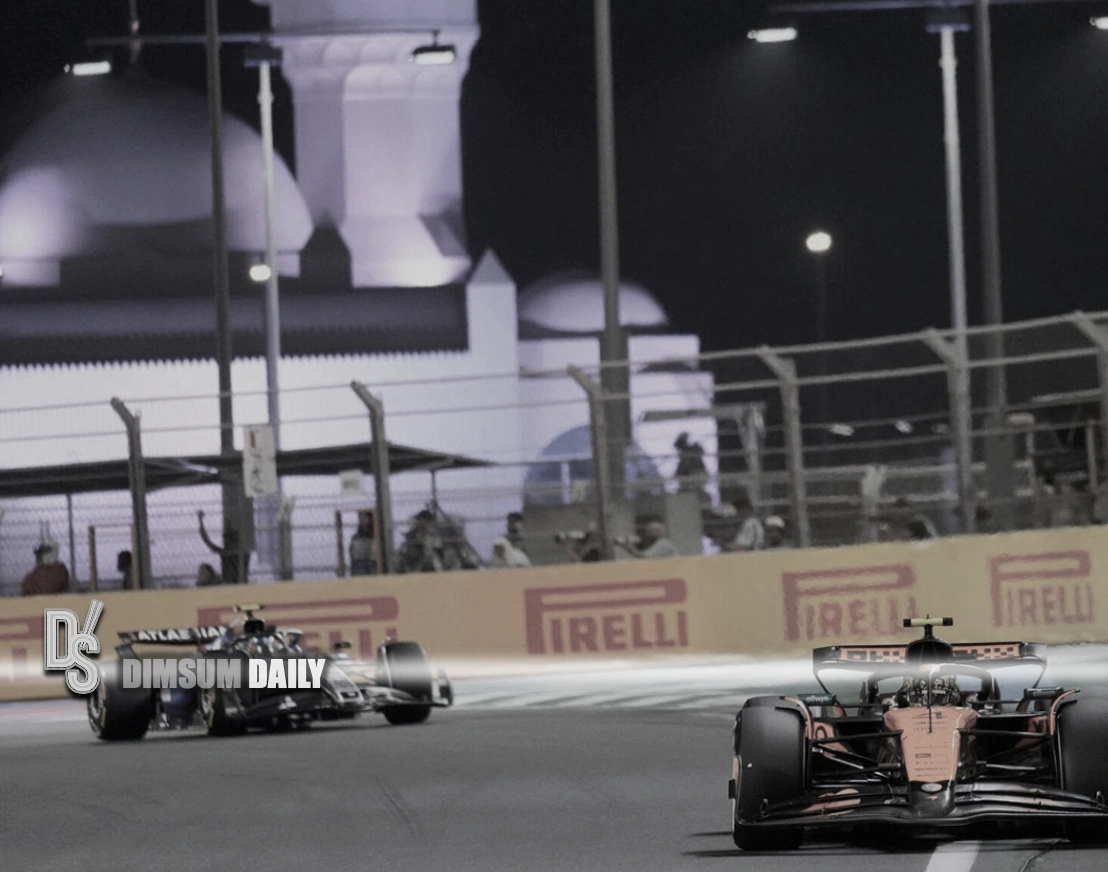
The pinnacle of motorsport, Formula 1, has officially confirmed the cancellation of the 2026 Bahrain and Saudi Arabian Grands Prix, a decision made on March 15, 2026, stemming from the persistent and escalating conflict across the wider Middle East region. This significant development reduces the eagerly anticipated 2026 championship calendar from 24 to 22 races, creating an unprecedented five-week hiatus in the season’s early schedule and sending ripples of concern throughout the global motorsport community. The events, originally slated to be the fourth and fifth rounds of the championship, were to take place at the Bahrain International Circuit from April 10th to 12th, followed by the high-speed street circuit of Jeddah in Saudi Arabia from April 17th to 19th. The Fédération Internationale de l’Automobile (FIA), Formula 1’s governing body, announced that the events would not proceed, nor would they be replaced, emphasizing the paramount importance of safety and security for all participants and stakeholders.
The Genesis of the Decision: A Region Under Strain
The cancellation marks a somber moment for Formula 1’s expanding global footprint, particularly in a region that has become a cornerstone of its modern calendar. The decision was formally communicated to teams and stakeholders ahead of the Chinese Grand Prix weekend, underscoring the urgency and gravity of the situation. For several weeks leading up to the announcement, industry insiders and geopolitical analysts had been monitoring the deteriorating security situation across the Middle East. While the precise nature and specifics of the "continuing conflict" were not detailed by Formula 1 or the FIA in their public statements, it is widely understood to encompass a complex interplay of geopolitical tensions, regional proxy conflicts, and security threats that have significantly heightened the risk profile for large-scale international gatherings.
The Middle East has, in recent decades, become a crucial strategic market for Formula 1, offering state-of-the-art facilities and substantial financial backing. Bahrain was a trailblazer, hosting its first Grand Prix in 2004, establishing F1’s presence in the Gulf. Saudi Arabia joined the calendar more recently in 2021, quickly becoming known for its challenging street circuit in Jeddah and its ambitious vision for motorsport. The strategic importance of these races extended beyond mere sporting events; they served as platforms for economic diversification, tourism promotion, and projecting a modern image for the host nations. The decision to cancel, therefore, was not taken lightly and reflects an unavoidable concession to the grim realities of the prevailing security environment, overriding significant commercial and sporting interests.
Chronology of Escalation and Cancellation
The path to this unprecedented cancellation can be traced through a series of escalating concerns. The provisional 2026 Formula 1 calendar, released in mid-2025, proudly featured 24 races, including the established fixtures in Bahrain and Saudi Arabia. As 2025 drew to a close and early 2026 progressed, reports from various intelligence and security agencies began to paint an increasingly concerning picture of regional stability. Travel advisories were updated by several international governments, and concerns within the Formula 1 paddock, particularly from teams and personnel, grew steadily.
While Formula 1 and the FIA initially maintained a cautious optimism, emphasizing continuous monitoring of the situation, the threshold for acceptable risk was evidently crossed. Discussions reportedly involved a thorough assessment of alternative venues and contingency plans to maintain the 24-race schedule. Circuits in Europe and even Asia were rumored to be approached, but the logistical complexities of deploying an entire Formula 1 circus – comprising thousands of personnel, tons of freight, and critical infrastructure – to a new location on such short notice proved insurmountable, especially for two consecutive weekends. The lack of suitable dates, the extensive lead time required for event preparation, and the contractual obligations with existing venues made a replacement unfeasible. This culminated in the formal confirmation on March 15, 2026, a difficult but necessary announcement that preceded the upcoming Chinese Grand Prix weekend, allowing teams and personnel to adjust their travel and logistical plans accordingly.
The cancellations extend beyond the premier Formula 1 championship. The support races for Formula 2, Formula 3, and the burgeoning F1 Academy series, which were scheduled to run concurrently with the Middle East double-header, have also been called off. This creates a significant void in the development pathways for aspiring drivers and impacts the championship aspirations of those in the feeder series, underscoring the wide-ranging consequences of the regional instability.
Official Responses and Prioritization of Safety
In the immediate aftermath of the announcement, Formula 1 President and Chief Executive Stefano Domenicali articulated the profound regret and necessity behind the decision. "This was an incredibly difficult but absolutely necessary move," Domenicali stated, acknowledging the significant impact on the sport, its fans, and its partners. "The present security situation in the region simply does not allow us to guarantee the safety and well-being of our teams, personnel, and all those involved in staging these events. Safety remains our unequivocal priority." He extended his gratitude to the FIA and the local promoters in Bahrain and Saudi Arabia for their unwavering cooperation and understanding during a challenging period of assessment and consultation. Domenicali also expressed a fervent hope for a swift return to stability in the region, reiterating Formula 1’s commitment to both countries when conditions permit, highlighting the long-term relationships forged.
FIA President Mohammed Ben Sulayem echoed Domenicali’s sentiments, reinforcing the governing body’s steadfast commitment to safety. "The FIA’s overriding priority is, and always will be, the safety of everyone involved in our sport," Ben Sulayem affirmed. "While we deeply regret the need to cancel these two significant rounds, particularly given the passion and dedication of our hosts in Bahrain and Saudi Arabia, this decision was made after extensive consultation and careful evaluation of the prevailing circumstances." Ben Sulayem, a figure with deep roots in Middle Eastern motorsport, voiced his profound hopes for stability to return to the region quickly. He acknowledged the immense significance of Bahrain and Saudi Arabia within the Formula 1 calendar, not just for their financial contributions but also for their enthusiastic fanbase and the quality of their circuits, expressing his strong desire and anticipation for Formula 1’s return in the future once security assurances can be unequivocally met.
Impact on the 2026 Calendar and Championship Dynamics
The most immediate and tangible impact of the cancellations is the drastic alteration of the 2026 Formula 1 calendar. With the removal of the Bahrain and Saudi Arabian Grands Prix, the season now comprises 22 races, down from the initially planned 24. This change creates an unprecedented five-week gap in the schedule, spanning from the conclusion of the Japanese Grand Prix, held from March 27th to 29th, until the commencement of the Miami Grand Prix, scheduled for May 1st to 3rd.
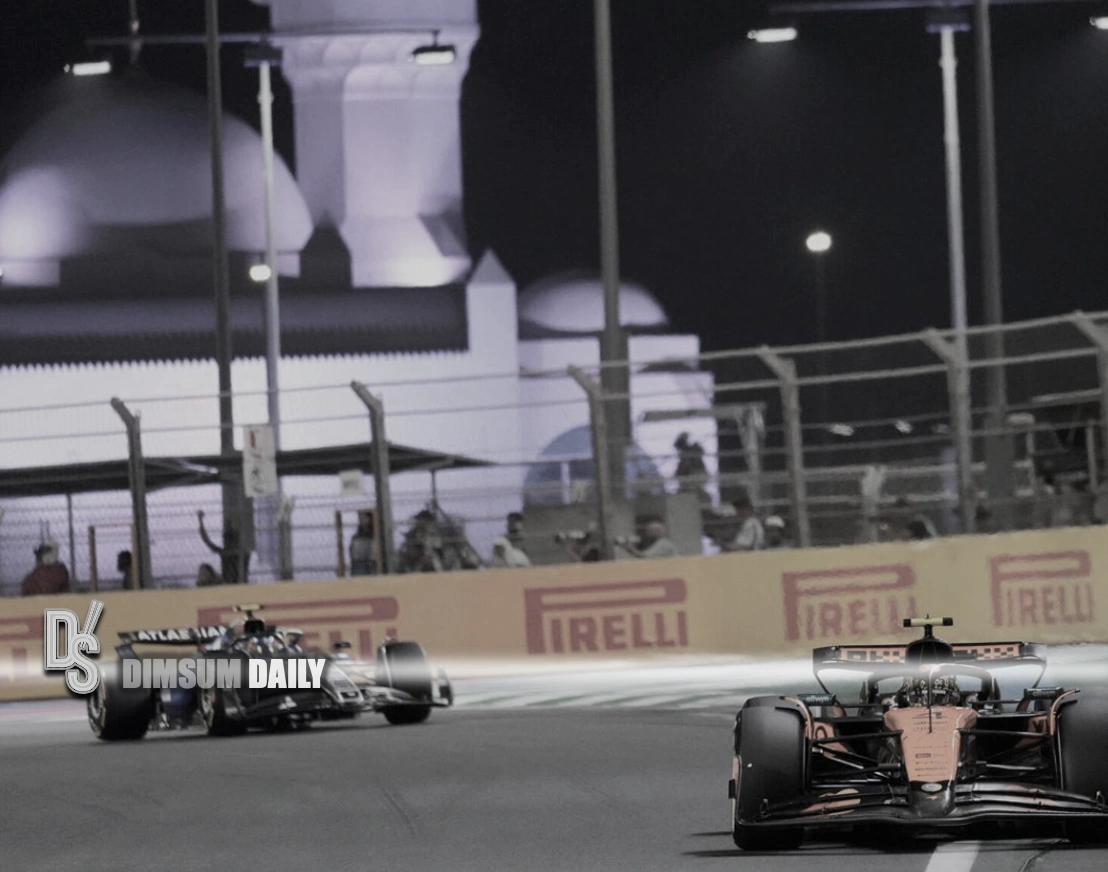
This extended break presents both challenges and opportunities for teams and drivers. On one hand, it provides an unexpected period for factory development, allowing engineering teams to analyze early-season data, implement upgrades, and address any performance issues without the immediate pressure of back-to-back race weekends. For personnel, it offers a rare opportunity for rest and recuperation in what is typically an incredibly demanding schedule. However, it also disrupts the rhythm of the championship, potentially affecting driver momentum and team cohesion. Strategically, the extended pause could shift championship narratives, allowing teams with early-season struggles a vital window to catch up, or conversely, potentially allowing dominant teams to further consolidate their advantage with significant upgrade packages. The reduction in races also means fewer opportunities for points, intensifying the competition across the remaining 22 rounds.
Economic and Logistical Ramifications
The financial fallout from these cancellations is substantial and far-reaching. For the host nations, Bahrain and Saudi Arabia, the immediate impact includes significant revenue losses from ticket sales, hospitality packages, tourism, and associated economic activities. Hosting a Formula 1 Grand Prix is a multi-million-dollar endeavor, involving substantial investment in infrastructure, event management, and marketing. While specific figures are often not disclosed, the direct economic injection and indirect tourism benefits are considerable, making the cancellation a significant blow to their economic diversification strategies.
Formula 1 itself will face revenue adjustments, primarily from race hosting fees, which are a major component of its income stream. While F1’s robust commercial agreements often include clauses for force majeure events, the absence of two high-profile races will undoubtedly impact overall financial projections for the season. This could, in turn, affect revenue distribution to teams, although the long-term financial health of the sport is designed to withstand such shocks.
For the ten Formula 1 teams, the implications are multifaceted. Logistically, the sudden change requires a rapid re-evaluation of freight schedules, personnel rotations, and travel arrangements. Teams had meticulously planned the Middle Eastern double-header, and redirecting resources and adjusting schedules on short notice incurs additional costs. Financially, teams rely on sponsorship activations at race weekends, and the cancellation of two prominent events means lost opportunities for sponsor visibility and engagement, potentially impacting contractual obligations and future negotiations. Smaller teams, operating on tighter budgets, may feel the pinch more acutely. Broadcasters, too, will need to adjust their programming schedules, potentially impacting advertising revenue and audience engagement during the unexpected gap.
The Broader Geopolitical Landscape and F1’s Presence
The cancellation serves as a stark reminder of the intricate relationship between global sport and geopolitical realities. Formula 1 has, for decades, navigated a complex international landscape, and its expansion into new territories has often been accompanied by discussions about human rights, political stability, and ethical considerations. The Middle East, in particular, has been a focal point of this debate.
F1’s increasing presence in the Gulf States has been part of a deliberate strategy to diversify its calendar beyond its traditional European heartland, tapping into new markets and significant investment opportunities. Nations like Bahrain, Saudi Arabia, Abu Dhabi, and Qatar have invested heavily in motorsport, building world-class facilities and fostering local interest. This expansion has been largely successful, introducing the sport to new audiences and providing a stable financial foundation. However, the current situation underscores the inherent risks associated with operating in regions prone to political volatility and conflict. While Formula 1 has historically prided itself on its ability to transcend political divides, there are clear limits when the safety of its participants and the integrity of its events are directly threatened. This incident may prompt a re-evaluation of risk assessments for future calendar planning, balancing commercial ambition with an unwavering commitment to safety.
Fan and Stakeholder Reactions
The news has been met with a mix of disappointment and understanding from the global Formula 1 fanbase. Thousands of fans, many of whom had planned extensive international travel, secured flights, accommodations, and event tickets, now face significant disruption and financial loss. While organizers and travel providers will likely offer refunds or alternative arrangements, the inconvenience and shattered anticipation are undeniable. Social media platforms immediately lit up with expressions of frustration over lost opportunities to witness the spectacle, but also with widespread acknowledgment that safety must take precedence.
For drivers, while naturally disappointed, there is a clear understanding of the gravity of the situation. Their focus will quickly shift to the revised calendar and maintaining peak performance through the extended break. Sponsors, who invest heavily in aligning their brands with Formula 1, will undoubtedly be reassessing their marketing strategies for the affected period, seeking alternative avenues for brand exposure or adjusting their budgets accordingly. The promoters in Bahrain and Saudi Arabia, who have dedicated immense resources and passion to these events, will be facing significant operational and financial challenges, but are expected to reaffirm their commitment to the sport’s return once conditions allow.
Future Outlook for Middle Eastern Races
The cancellation of the 2026 Bahrain and Saudi Arabian Grands Prix raises pertinent questions about the long-term future of Formula 1 in the Middle East. While both Stefano Domenicali and Mohammed Ben Sulayem expressed hopes for a return, the timeline remains uncertain and is entirely contingent on a significant de-escalation of regional tensions and a sustained period of stability. The sport’s leadership will be under intense scrutiny to ensure that any future return is based on robust and verifiable security guarantees, not merely commercial expediency.
This incident serves as a critical precedent, reinforcing the FIA’s firm stance that safety is non-negotiable, even at the cost of substantial financial and sporting disruption. It underscores the delicate balance Formula 1 must strike between its global expansion ambitions and its responsibility to protect its community. As the world watches the geopolitical landscape of the Middle East, the motorsport community will be keenly awaiting the conditions that might allow the roar of Formula 1 engines to once again echo across the desert circuits of Bahrain and the street circuit of Jeddah. Until then, the 2026 season will proceed with a reshaped calendar, a stark reminder of the world beyond the racetrack’s confines.