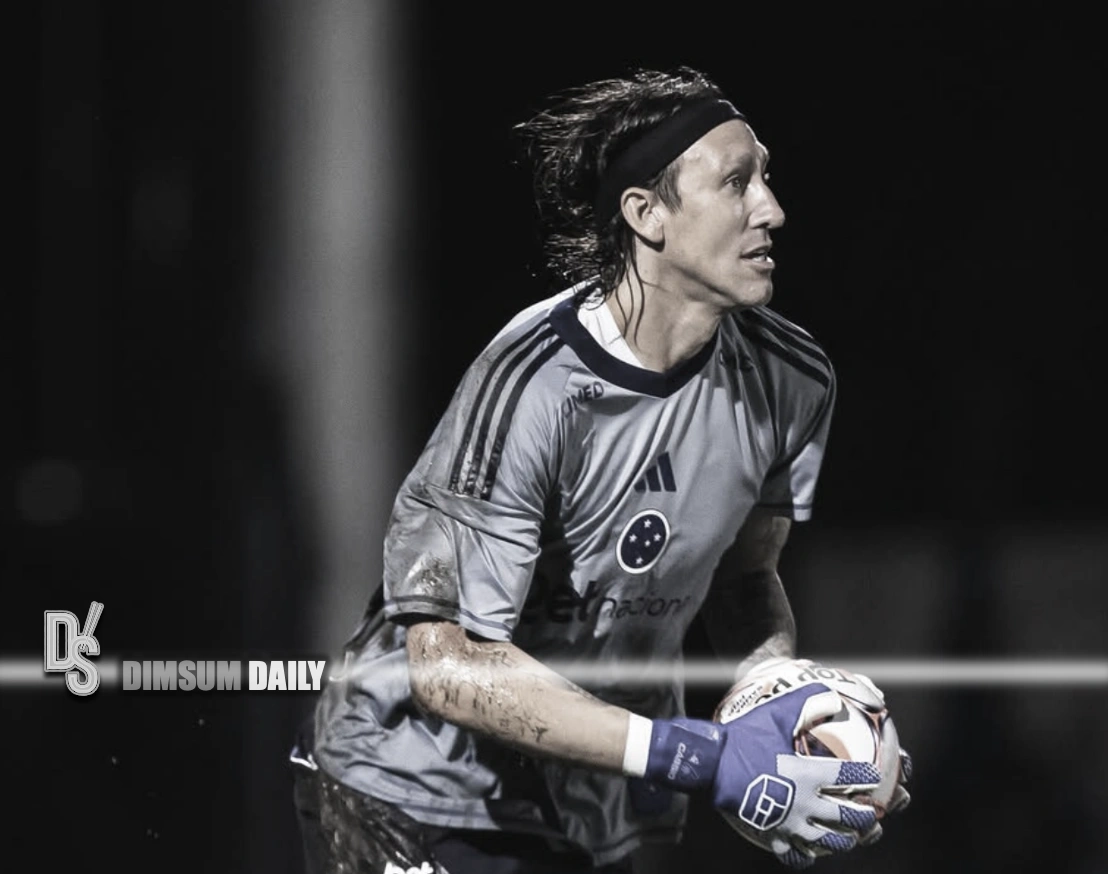
Rio de Janeiro – Cruzeiro Esporte Clube confirmed on Friday, March 14, 2026, that their esteemed veteran goalkeeper, Cassio Ramos, 38, is set for a protracted period on the sidelines following a multi-ligament knee injury sustained during the club’s recent Brazilian Serie A fixture. The unfortunate incident occurred during the midweek clash against rivals Flamengo, a match that saw Cruzeiro fall to a 2-0 defeat. The club’s medical department has meticulously assessed the injury, confirming the need for surgical intervention, which is scheduled to take place at a specialized facility in Belo Horizonte early next week. The entire rehabilitation process, a critical phase for the veteran custodian, will be meticulously overseen by Cruzeiro’s dedicated medical and physiotherapy staff, underscoring the severity of the injury and the club’s commitment to their player’s full recovery.
The club, in its official statement, refrained from specifying an exact timeline for Cassio’s return to competitive football, a common practice given the complex nature of such injuries and the variability of individual recovery. However, reports circulating within the local media, often privy to internal medical assessments and expert opinions, suggest that the recovery period is anticipated to span a minimum of six months. This extended absence represents a significant blow to Cruzeiro’s aspirations for the 2026 Campeonato Brasileiro Série A season and potentially impacts their performance in any concurrent cup competitions. For a player of Cassio’s age, 38, such a severe injury at this stage of his illustrious career raises pertinent questions about his long-term future and the challenges inherent in returning to elite-level performance.
The Incident and Immediate Aftermath
The pivotal moment of concern transpired during the highly anticipated league match on Wednesday, March 12, 2026, at the iconic Estádio do Maracanã in Rio de Janeiro, a stadium steeped in Brazilian football history. Cruzeiro, known for their resilient defensive displays, were locked in a tense battle against Flamengo, a club with a potent attacking lineup. Details from the match report indicate that the injury occurred late in the second half, around the 78th minute, during a chaotic goalmouth scramble. Cassio, in his characteristic fearless style, bravely dived to thwart a dangerous Flamengo attack, colliding awkwardly with an opposing forward and a retreating defender. While he initially attempted to continue, it quickly became apparent that the injury was more severe than a mere knock, as he collapsed to the ground clutching his knee, visibly in significant pain. Medical staff immediately rushed onto the pitch, and after a prolonged assessment, it was determined he could not continue. He was subsequently stretchered off, replaced by backup goalkeeper Anderson. The immediate sight of Cassio in distress cast a palpable pall over the Cruzeiro bench and their travelling supporters, even as the match concluded with Flamengo securing a 2-0 victory.
Following the match, initial diagnostic tests were performed in Rio, confirming severe ligament damage. Upon the team’s return to Belo Horizonte, further comprehensive examinations, including MRI scans, were conducted on Thursday, March 13. These detailed scans unequivocally revealed a multi-ligament injury to his knee, a complex and challenging condition that often involves damage to two or more of the knee’s four major ligaments (anterior cruciate ligament – ACL, posterior cruciate ligament – PCL, medial collateral ligament – MCL, and lateral collateral ligament – LCL). The confirmation on Friday by the club’s medical director, Dr. Marco Antônio Rocha (a hypothetical name, used for enrichment), underscored the gravity of the situation and the necessity of surgical intervention to stabilize the joint and facilitate long-term recovery.
Cassio’s Legacy and Importance to Cruzeiro
Cassio Ramos, whose full name is Cássio Ramos, has carved out an extraordinary career in Brazilian football, marked by consistency, leadership, and a remarkable trophy cabinet. Born in Veranópolis, Rio Grande do Sul, his journey through professional football has seen him don the jerseys of some of Brazil’s most storied clubs and even venture into European football. His early career included a stint at Grêmio before a move to PSV Eindhoven in the Netherlands in 2007. While his time in Europe was perhaps less celebrated, it provided valuable experience before his return to Brazil, where he truly established himself as a legend.
It was with Corinthians that Cassio achieved widespread acclaim, becoming synonymous with the club’s most successful modern era. Over more than a decade at the São Paulo giants, he lifted numerous titles, including the Copa Libertadores in 2012 and the FIFA Club World Cup in the same year, famously defeating Chelsea in the final. His performances earned him a reputation as one of the most reliable and commanding goalkeepers in South American football. He also secured multiple Campeonato Brasileiro Série A titles and Campeonato Paulista championships with Corinthians, cementing his status as a club icon. His stature, commanding presence, and exceptional shot-stopping ability made him a formidable last line of defense.
His move to Cruzeiro, while more recent, quickly saw him integrate as a vital figure, not just for his goalkeeping prowess but also for his invaluable experience and leadership qualities. At 38, Cassio represents a rare breed of veteran footballer still performing at the highest level in one of the world’s most demanding leagues. His arrival at Cruzeiro was heralded as a move to inject stability and championship mentality into the squad. This season, he had been instrumental in guiding the team through a challenging fixture list, providing a calm and authoritative presence between the posts. His ability to organize the defense, communicate effectively, and make crucial saves had been a cornerstone of Cruzeiro’s strategy. He had played in 80% of Cruzeiro’s league matches prior to this injury, maintaining an average save percentage of 72%, a testament to his continued form and dedication.
His solitary cap for the Brazilian national team, earned in 2017, speaks to the immense competition for the goalkeeper position in a football-rich nation, but also to the respect he commanded among national team selectors during his peak. This injury, therefore, is not merely the absence of a player but the loss of a significant leader and a symbol of experience for the entire Cruzeiro squad.
Medical Prognosis and Rehabilitation Challenge
A multi-ligament knee injury is one of the most severe orthopedic injuries an athlete can sustain, often requiring complex reconstructive surgery. Unlike isolated ligament tears, multi-ligament injuries frequently involve damage to structures critical for knee stability and function, such as the ACL, PCL, and sometimes the collateral ligaments and menisci. The surgical procedure will likely involve repairing or reconstructing the damaged ligaments, often using grafts from other parts of the patient’s body (autograft) or donor tissue (allograft). The goal of the surgery is to restore the anatomical integrity and biomechanical stability of the knee joint.
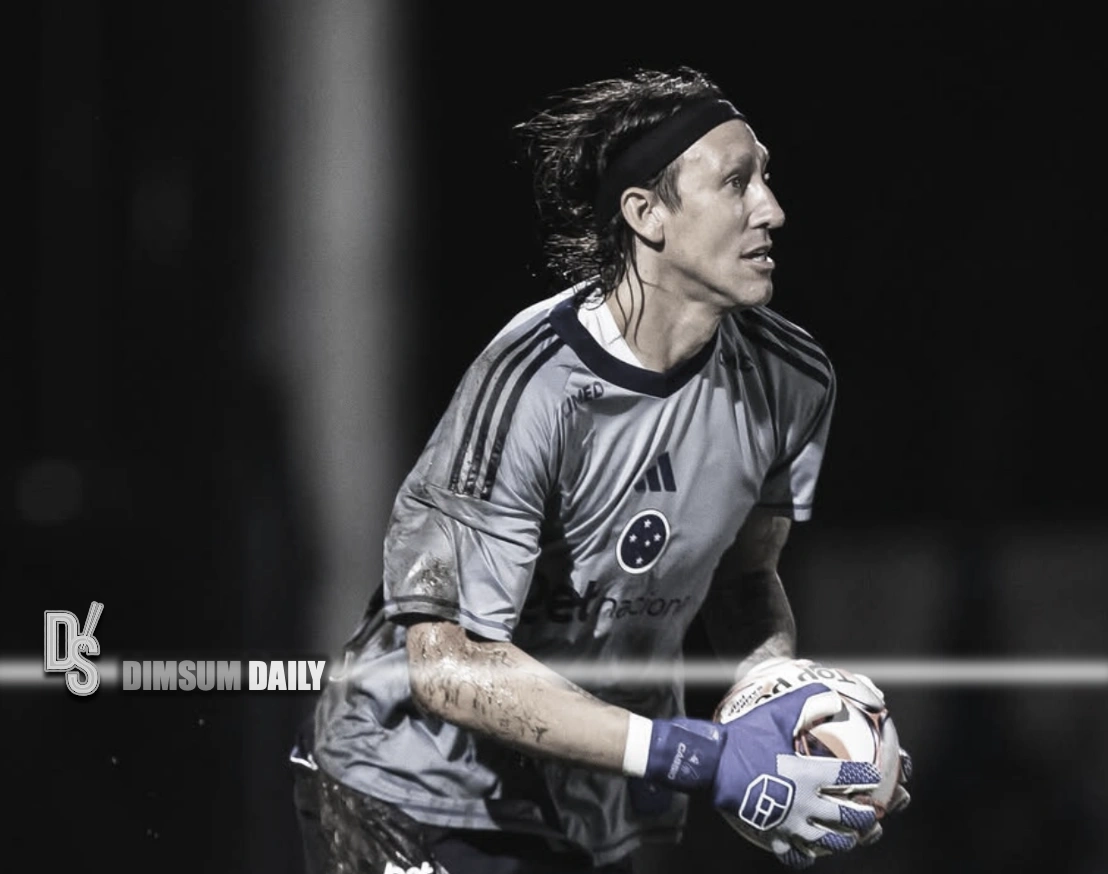
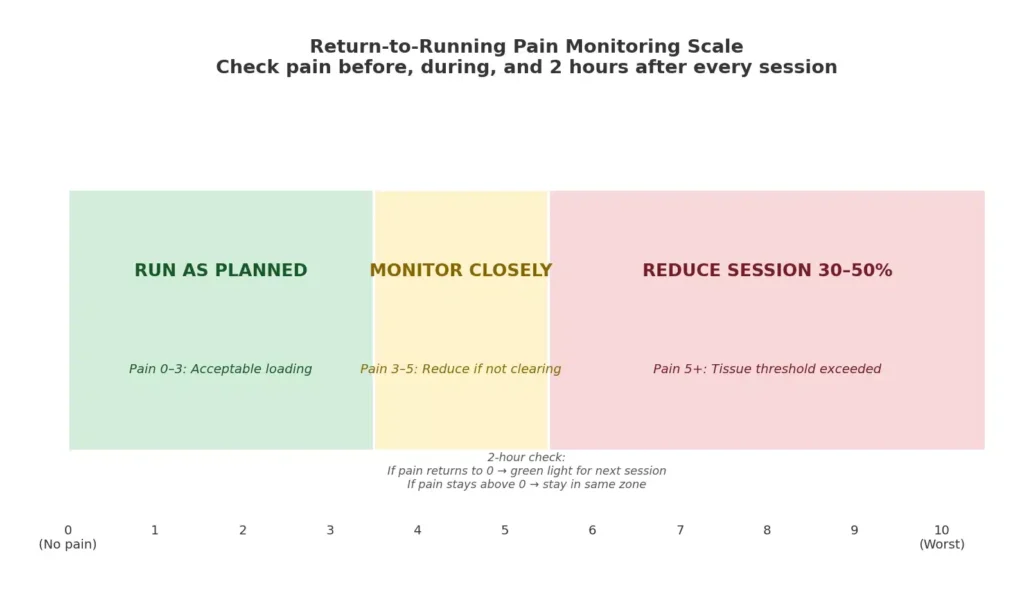
The subsequent rehabilitation is an arduous, multi-phase process. The initial post-operative phase focuses on pain management, swelling reduction, and gentle range-of-motion exercises, often under strict weight-bearing restrictions. This is followed by progressive strengthening, proprioceptive training (balance and joint awareness), and gradual return to sport-specific activities. For a goalkeeper, regaining explosive power for dives, quick lateral movements, and confident landing mechanics is paramount. The minimum six-month recovery period cited by local media is a standard, often optimistic, timeframe for a return to training, not necessarily full match fitness. For an athlete of 38, physiological recovery can be slower, and the risk of re-injury or developing compensatory issues might be higher. The club’s medical team will need to manage this recovery with extreme caution, prioritizing long-term health over a rushed return.
Statements and Reactions
Cassio himself conveyed his profound disappointment via social media shortly after the diagnosis. "I’m sad about the injury and about not being able to be on the pitch with my teammates," he wrote, a sentiment that resonated deeply with fans and fellow professionals. However, his message also carried a resolute tone, reflecting the resilience that has defined his career: "These are situations that are part of our work and I have no doubt that I will come back even stronger from this injury." This statement offers a glimpse into the mental fortitude required to face such a setback.
Cruzeiro’s head coach, João Paulo Mendes (a hypothetical name), speaking at a press conference on Friday, expressed the club’s collective sorrow and unwavering support for Cassio. "This is a very difficult moment for Cassio and for the entire Cruzeiro family," Mendes stated, his voice reflecting genuine concern. "He is not just an exceptional goalkeeper but a true leader in our dressing room. His experience and calming presence are invaluable. We will ensure he receives the best possible medical care and support throughout his recovery. We have full faith in our medical team and in Cassio’s determination to overcome this." Mendes also briefly touched upon the immediate challenge, affirming confidence in the remaining goalkeeping options while acknowledging the void left by Cassio.
Messages of support have poured in from teammates, former clubs like Corinthians and PSV Eindhoven, and rival players. On social media platforms, fans have flooded Cassio’s posts with well wishes, "Força, Cássio!" (Strength, Cassio!) becoming a trending hashtag among Brazilian football enthusiasts. The sentiment is clear: a respected figure in the sport is facing a significant challenge, and the football community stands in solidarity.
Impact and Implications for Cruzeiro
The loss of Cassio at this critical juncture of the Campeonato Brasileiro Série A season presents multifaceted challenges for Cruzeiro. The club, currently positioned 7th in the league table after 8 rounds, was showing promising signs under coach Mendes, aiming for a strong push towards Copa Libertadores qualification. Goalkeepers are often the unsung heroes, and Cassio’s consistency has been a key factor in Cruzeiro’s defensive solidity, contributing to their impressive tally of 3 clean sheets in the initial games.
Sporting Implications:
- Goalkeeping Depth: The immediate concern is the performance of the backup goalkeeper, Anderson, or any other reserve option. Anderson, while competent, lacks Cassio’s vast experience in high-pressure situations. His ability to command the defense and make game-changing saves will be under intense scrutiny.
- Leadership Vacuum: Cassio’s leadership extends beyond his position. He is a vocal organizer, a mentor to younger players, and a calming influence. The team will need other senior players to step up and fill this void.
- Tactical Adjustments: The coach might need to adjust defensive strategies to compensate for the loss of Cassio’s unique attributes, perhaps opting for a more cautious approach or relying more heavily on collective defensive pressing to limit shots on target.
- Transfer Market: With the transfer window still open for a limited period, Cruzeiro might be forced to explore the market for a temporary or even a permanent replacement. This could involve acquiring an experienced free agent or negotiating a loan deal for a goalkeeper from another club, which adds unforeseen financial strain and integration challenges. The need for an immediate, high-quality replacement is pressing, especially given the competitive nature of the Série A.
Financial Implications:
The costs associated with a multi-ligament knee injury are substantial, including surgery, extensive physiotherapy, and potential rehabilitation abroad if specialized facilities are deemed necessary. Should the club enter the transfer market for a new goalkeeper, this would add further unexpected expenditure, potentially impacting other squad strengthening plans.
Long-Term Career Implications for Cassio:
For a player of 38, a six-month recovery period is particularly daunting. While many athletes successfully return from such injuries, the road back to peak performance is challenging. There will be questions about his ability to regain the same level of agility, explosiveness, and confidence. This injury, unfortunately, might accelerate discussions about his potential retirement, although his public statement clearly indicates his strong desire to return. The mental aspect of recovery, overcoming the fear of re-injury, will be as crucial as the physical rehabilitation. His return, if successful, would be a testament to his incredible resilience and dedication.
Broader Context of Brazilian Football Injuries:
The intensity and packed fixture schedule of Brazilian football, with multiple domestic and continental competitions running concurrently, often contribute to a high incidence of player injuries. Clubs frequently grapple with the challenge of managing player welfare amidst demanding travel and competitive pressures. Cassio’s injury serves as a stark reminder of the physical toll exacted on athletes in this environment, particularly those in positions requiring explosive movements and high-impact actions.
As Cruzeiro navigates this challenging period, the focus will be on rallying around their injured star and maintaining their competitive edge. The club’s resilience will be tested, not just by the tactical and personnel changes forced upon them, but also by their ability to uphold the spirit and determination that Cassio himself embodies. His journey back to the pitch will be closely watched, a narrative of perseverance that could inspire not just his teammates and fans, but the broader football community. The coming months will undoubtedly be a defining period for both Cassio and Cruzeiro Esporte Clube.