The final day of the Milano Cortina 2026 Paralympic Winter Games arrives with high stakes and the promise of a historic conclusion for the Canadian Paralympic Team. On Sunday, March 15, 2026, the competitive spirit that has defined these Games will reach its zenith across three major disciplines: Para ice hockey, Para cross-country skiing, and Para alpine skiing. As the international community prepares for the Closing Ceremony in the evening, Canadian athletes are focused on one final push for the podium, highlighted by a gold-medal showdown in Para ice hockey that marks the latest chapter in one of the most storied rivalries in international winter sports.
The Pinnacle of Rivalry: Para Ice Hockey Gold Medal Final
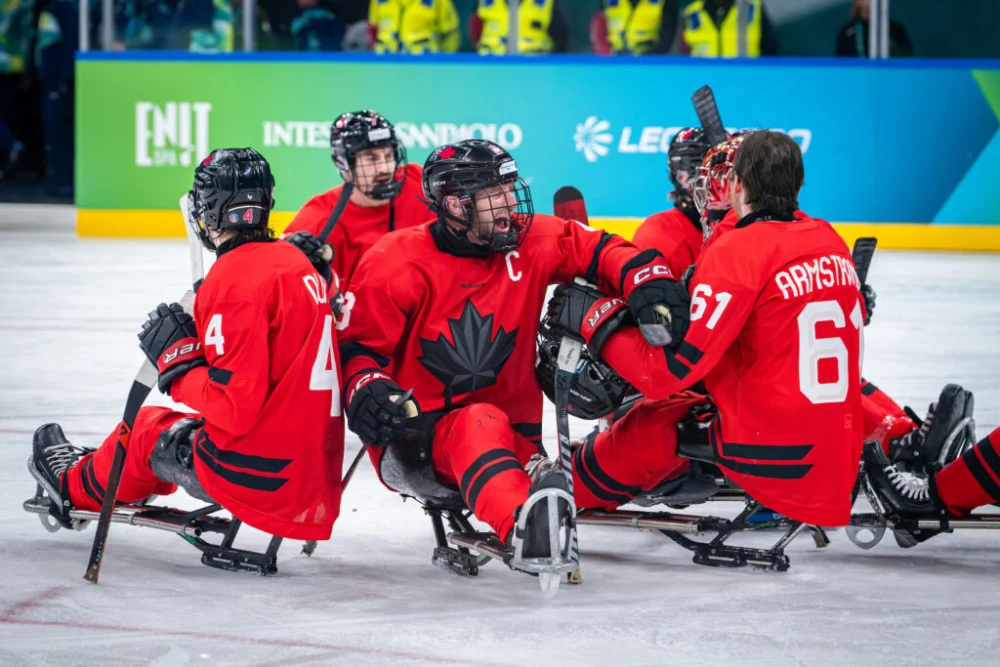
The most anticipated event of Day 9 is undoubtedly the Para ice hockey final, where Canada will face off against the United States at 4:05 p.m. local time (11:05 a.m. ET). This matchup represents the third consecutive time these two North American powerhouses have met in the Paralympic gold-medal game, following encounters at PyeongChang 2018 and Beijing 2022. For the Canadian squad, this game is more than a quest for gold; it is an opportunity to reclaim a title that has eluded them for two decades.
Canada’s last Paralympic gold in Para ice hockey was secured at the Torino 2006 Games. Since then, the United States has maintained a dominant grip on the sport, winning four consecutive Paralympic gold medals. The rivalry is characterized by physical play, tactical sophistication, and a deep familiarity between the rosters, as many players compete against one another in North American club leagues throughout the winter season.
Tactically, Canada enters the 2026 final with a roster that blends veteran leadership with explosive young talent. The Canadian strategy has focused on high-pressure forechecking and rapid puck movement, aiming to disrupt the disciplined defensive structure of the American side. Observers note that the performance of the Canadian special teams—specifically the power play—will be a deciding factor in overcoming the U.S. goaltending, which has historically been a cornerstone of their success. A victory for Canada would not only break the 20-year drought but would also signal a shift in the global hierarchy of the sport heading into the next quadrennial cycle.
Endurance and Grit: The Para Cross-Country 20km Marathon
While the hockey arena provides a high-octane atmosphere, the Nordic skiing trails in Cortina will host a grueling test of endurance. The final day of Para cross-country skiing features the 20km distance races, a marathon event that demands peak physical conditioning and mental fortitude. Fourteen Canadian athletes are set to compete across various classifications, representing one of the largest and most successful contingents in the nation’s Paralympic history.
The day begins early for the "sitting" category athletes. Christina Picton and Lyne-Marie Bilodeau will lead the charge for the Canadian women at 9:00 a.m. local time. In the men’s sitting category, the trio of Collin Cameron, Derek Zaplotinsky, and Leo Sammarelli will navigate the challenging 20km course. The sitting category is particularly demanding, as athletes rely entirely on upper-body strength to propel their sit-skis through the snow, making the 20km distance a monumental feat of athleticism.
Following the sitting events, the "standing" and "visually impaired" categories will take to the snow. At 10:45 a.m. local time, Natalie Wilkie, Brittany Hudak, and Emma Archibald will compete in the women’s standing race. Wilkie and Hudak have been pillars of the Canadian Nordic program for years, consistently delivering podium finishes on the world stage. Their experience in pacing and technical skiing on the high-altitude Italian courses will be vital.
The competition concludes with the visually impaired races. Maddie Mullin, guided by Brooke Ailey, will represent the women, while Logan Lariviere (guided by Joe Hutton) and Jesse Bachinsky (guided by Levi Nadlersmith) will compete in the men’s division. In these events, the synchronization between the athlete and the guide is paramount. Guides ski just ahead of the athletes, providing verbal cues about terrain changes, corners, and speed, making the race a true partnership of trust and communication.
Precision on the Slopes: Para Alpine Slalom
In the Para alpine skiing discipline, the focus shifts to the technical precision of the slalom. Canada’s Kalle Eriksson, guided by Sierra Smith, and veteran Kurt Oatway will represent the maple leaf in the men’s slalom races. Slalom is often considered the most demanding of the alpine disciplines due to the rapid succession of gates and the high level of technical skill required to maintain speed while making tight turns.
Kalle Eriksson and Sierra Smith will compete in the visually impaired category. Their partnership has matured significantly leading up to the 2026 Games, with a focus on refining the audio-communication systems used to navigate the course. Meanwhile, Kurt Oatway will compete in the sitting category. Oatway, a veteran of multiple Paralympic Games, is known for his aggressive lines and ability to handle icy course conditions.
The slalom event consists of two runs, with the combined time determining the final standings. The first runs are scheduled for 9:00 a.m. local time, with the decisive second runs taking place at 12:00 p.m. local time. The mental pressure of the second run is intense, as athletes must balance the need for speed with the risk of a "DNF" (Did Not Finish) if they miss a gate.
Historical Context and Team Canada’s Evolution
The Milano Cortina 2026 Games mark a significant milestone in the evolution of the Canadian Paralympic movement. Since the first Winter Paralympics in 1976, Canada has grown into a perennial powerhouse, consistently finishing near the top of the medal table. The 2026 team is a reflection of increased investment in Para-sport through organizations like the Canadian Paralympic Committee (CPC) and "Own the Podium."
Comparing the 2026 squad to previous iterations, there is a noticeable increase in the depth of the roster. While earlier decades relied on a few standout stars, the current team features medal threats in almost every classification and discipline. This diversification is the result of robust grassroots recruitment and high-performance training centers that provide Para-athletes with the same level of coaching, nutrition, and sports science as their Olympic counterparts.
Italy, hosting its second Winter Paralympics after Torino 2006, has provided a backdrop of world-class facilities. The Cortina d’Ampezzo venues, in particular, are steeped in winter sports history, having hosted the 1956 Winter Olympics. For the athletes, competing on these legendary slopes and rinks adds an extra layer of prestige to their achievements.
Chronology of Day 9 Events (Local Time / Eastern Time)
To assist fans in following the action, the following timeline outlines the key competitive windows for Canadian athletes on Sunday, March 15:
- 09:00 / 04:00 ET: Para Nordic Skiing – Women’s 20km Sitting (Picton, Bilodeau)
- 09:00 / 04:00 ET: Para Nordic Skiing – Men’s 20km Sitting (Cameron, Zaplotinsky, Sammarelli)
- 09:00 / 04:00 ET: Para Alpine Skiing – Men’s Slalom Run 1 (Eriksson/Smith, Oatway)
- 10:45 / 05:45 ET: Para Nordic Skiing – Women’s 20km Standing (Wilkie, Hudak, Archibald)
- 12:00 / 07:00 ET: Para Alpine Skiing – Men’s Slalom Run 2 (Eriksson/Smith, Oatway)
- 12:20 / 07:20 ET: Para Nordic Skiing – Women’s 20km Visually Impaired (Mullin/Ailey)
- Following Women’s VI: Para Nordic Skiing – Men’s 20km Visually Impaired (Lariviere/Hutton, Bachinsky/Nadlersmith)
- 16:05 / 11:05 ET: Para Ice Hockey – Gold Medal Final (Canada vs. USA)
- 20:00 / 15:00 ET: Closing Ceremony – Milano Cortina 2026 Paralympic Winter Games
Official Perspectives and Anticipated Reactions
While official post-game statements will be released following the events, the sentiment within the Canadian camp is one of focused determination. Coaches from the Para Nordic and Alpine programs have emphasized the importance of "sticking to the process" despite the fatigue that naturally sets in by the ninth day of competition.
For the Para ice hockey team, Captain Tyler McGregor has often spoken about the collective resilience of the group. Inferred from previous interviews and the team’s trajectory, the leadership group views the 2026 final not just as a game, but as a defining moment for the sport’s growth in Canada. A gold medal would likely trigger a significant surge in domestic interest and funding for Para ice hockey, which has seen a steady increase in participation among youth athletes with disabilities.
The Canadian Paralympic Committee is expected to highlight the "legacy of excellence" demonstrated by the 2026 team. Regardless of the final medal count on Day 9, the performance of these athletes serves as a powerful narrative of inclusion and the removal of barriers in high-performance sport.
Broader Impact and Implications for the Future
The results of the final day in Milano Cortina will have lasting implications for the Canadian sport system. Success in high-profile events like the hockey final and the Nordic marathon drives corporate sponsorships and government grants, which are essential for the next generation of athletes.
Furthermore, the 2026 Games serve as a bridge to the future. With the French Alps 2030 Winter Games on the horizon, the performance of younger athletes in Milano Cortina—such as Emma Archibald and Logan Lariviere—suggests that Canada’s pipeline of talent is secure. The technical data gathered during these Games, from wax chemistry in Nordic skiing to sledge design in hockey, will be analyzed by sports scientists to give Canadian athletes a competitive edge in four years’ time.
As the sun sets over the Dolomites on March 15, the Canadian Paralympic Team will leave Italy with more than just medals. They carry the pride of a nation and the satisfaction of knowing they have competed at the highest level of human potential. The Closing Ceremony will mark the end of the Milano Cortina chapter, but for the athletes who took to the snow and ice on this final day, the impact of their journey is only beginning.