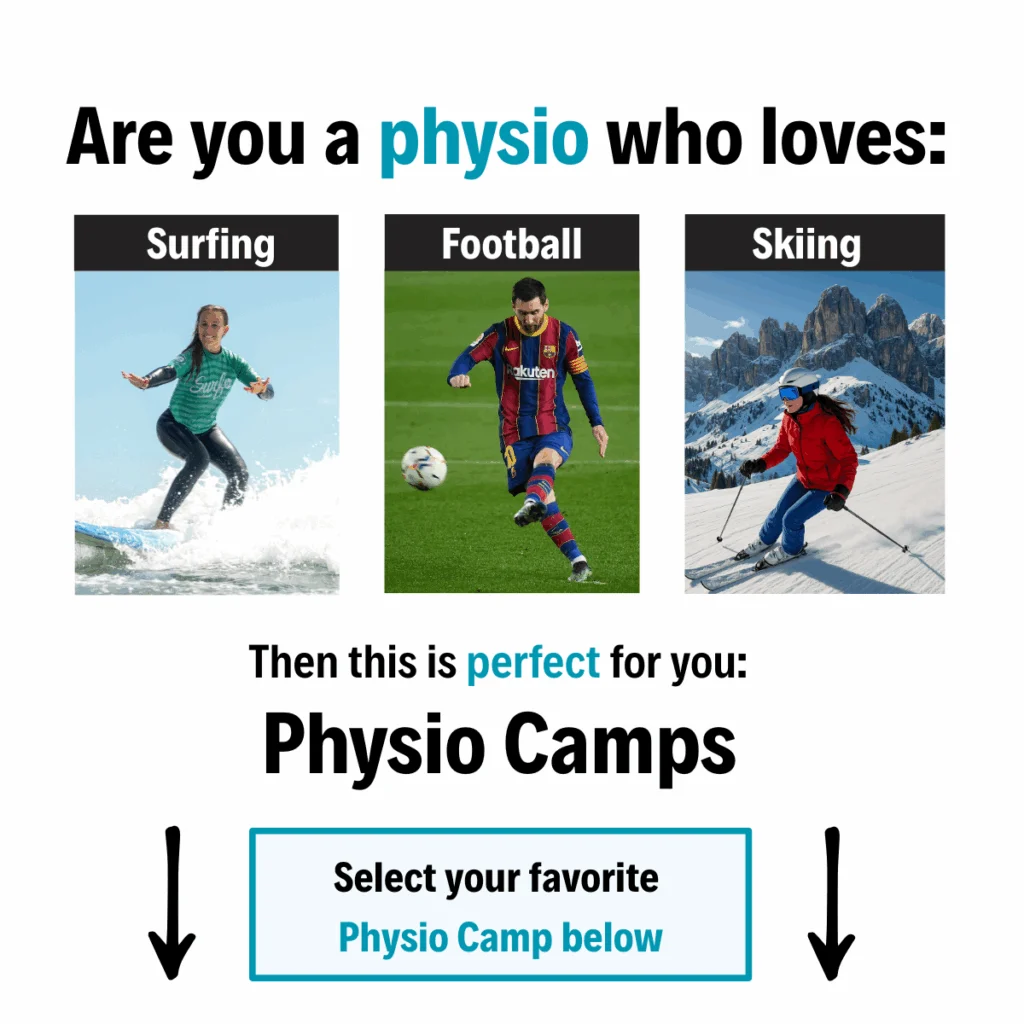
The landscape of Continuing Professional Development (CPD) for healthcare practitioners is undergoing a significant transformation, moving away from traditional lecture-hall environments toward immersive, experiential learning models. Trust Me Physiotherapy has announced its 2026 schedule for "Physio Camps," a series of specialized educational retreats that integrate rigorous clinical coursework with high-performance athletic activities such as surfing, skiing, and football. These programs are designed to address the growing demand among physical therapy professionals for specialized knowledge that is directly applicable to the sports and environments in which their patients operate. By combining theoretical instruction in the mornings with practical, activity-based sessions in the afternoons, these camps aim to bridge the gap between clinical theory and real-world athletic application.
The Evolution of Experiential Medical Education
The emergence of the Physio Camp model reflects a broader trend within the global medical community to prioritize "active learning" over passive observation. In the field of physiotherapy, where biomechanics and movement analysis are central to patient outcomes, the ability for a practitioner to experience the physical demands of a sport firsthand is increasingly viewed as a clinical advantage. For example, a physiotherapist treating a rotator cuff injury in a surfer may gain deeper diagnostic insights by participating in the sport themselves, observing the specific stresses placed on the glenohumeral joint during paddling and pop-ups.
The 2026 initiative follows several years of pilot programs that have demonstrated the efficacy of destination-based learning. These camps are strategically located in regions that offer world-class facilities for specific sports, such as the coastline of Portugal for surfing or the mountainous regions of Europe for skiing. This geographic specificity allows instructors to utilize the natural environment as a live laboratory for movement analysis and injury prevention strategies.
Strategic Locations and Specialized Curricula for 2026
The 2026 calendar includes several distinct tracks tailored to different sub-specialties within the physiotherapy profession. The Physio Surf Camps, scheduled for Portugal and Sri Lanka, focus on the unique demands of aquatic sports, including shoulder stability, spinal extension, and lower-limb power. Portugal, long recognized as a hub for European surfing, provides a consistent environment for studying repetitive strain injuries common in long-board and short-board disciplines. Meanwhile, the Sri Lanka camp offers a different perspective, often focusing on the rehabilitation of international travelers and the management of heat-related performance issues.
The Physio Football Camp and Physio Ski Camp address high-impact sports that are notorious for ligamentous injuries and complex lower-extremity trauma. The football-centric program focuses heavily on Anterior Cruciate Ligament (ACL) reconstruction protocols, hamstring strain management, and return-to-play (RTP) decision-making frameworks. The ski camp, conversely, prioritizes cold-weather physiology, knee bracing mechanics, and the management of acute trauma in alpine environments. By embedding the learning process within the sport itself, participants are able to analyze movement patterns in real-time, facilitating a higher level of clinical reasoning.
Supporting Data: The Rising Demand for Specialized Sports Physiotherapy
Data from the global physical therapy market indicates a compound annual growth rate (CAGR) of approximately 6.5% through 2030, driven largely by an aging population that remains active and an increase in sports participation across all age groups. According to the International Federation of Sports Physical Therapy (IFSPT), there is a documented need for clinicians who possess "sport-specific competencies." Traditional university settings often provide a broad overview of musculoskeletal health but may lack the depth required to manage elite or highly specialized athletes.
Furthermore, burnout among healthcare professionals has reached critical levels globally. A 2023 survey of physical therapists found that over 45% of respondents reported symptoms of professional exhaustion. Programs like the Physio Camps are viewed by industry analysts as a potential mitigation strategy. By integrating education with recreation and peer networking in a retreat-style setting, these programs provide a sustainable alternative to the standard "weekend seminar" model, potentially increasing long-term retention within the profession.
Chronology of the 2026 Program Rollout
The planning and execution of the 2026 Physio Camps follow a structured timeline designed to maximize accessibility for international participants. The current phase, initiated in mid-2025, involves the opening of "Expression of Interest" forms. This allows the organizers to gauge demand for specific locations and topics, ensuring that the curricula remain relevant to the current challenges faced by practitioners.
- Phase I (Mid-2025): Launch of the interest forms for Surf (Portugal and Sri Lanka), Football, and Ski camps. This stage focuses on building a database of interested professionals who are eligible for "Super Early Bird" pricing.
- Phase II (Late 2025): Finalization of the 2026 curriculum and announcement of lead instructors. During this period, the specific clinical focus areas—such as neuroplasticity in sports or advanced manual therapy techniques—are confirmed.
- Phase III (Early 2026): Commencement of the first camps. Typically, the ski camps are scheduled for the first quarter to coincide with the winter season in the Northern Hemisphere, while the surf and football camps are distributed throughout the spring and summer months.
- Phase IV (Post-Camp): Integration of learning through digital follow-ups. Participants often receive ongoing support and access to a network of peers to discuss complex cases encountered in their private practices.
Professional Responses and Industry Implications
The response from the physiotherapy community has been largely positive, with many practitioners noting that the "siloed" nature of traditional education often fails to foster professional collaboration. "The ability to discuss complex patient cases while actually engaging in the sport that caused the injury provides a level of context that you simply cannot get in a classroom," stated one previous participant. This sentiment is echoed by clinic owners who see value in sending staff to such programs to gain specialized skills that can differentiate their practice in a competitive market.
From a clinical standpoint, the implications are significant. The integration of high-level activity into professional development encourages therapists to maintain their own physical health, embodying the "exercise is medicine" philosophy they prescribe to patients. Moreover, the networking opportunities provided by these camps facilitate international knowledge transfer. A therapist in Australia might share a specific taping technique with a colleague from Germany, fostering a global standard of care that transcends local health systems.
Impact on Patient Care and Clinical Outcomes
Ultimately, the goal of the Physio Camp model is to improve patient outcomes. When a therapist has a profound understanding of the biomechanical nuances of a sport, they can design more effective, sport-specific rehabilitation programs. For instance, a therapist who has spent a week analyzing the mechanics of a "carve" on a surfboard is better equipped to rehabilitate a patient’s medial collateral ligament (MCL) injury with the specific torque requirements of that movement in mind.
The 2026 camps also place a heavy emphasis on "evidence-based practice" (EBP). While the setting is informal, the academic rigor is maintained through the review of the latest clinical trials and meta-analyses relevant to each sport. This ensures that the techniques taught are not only practical but also scientifically validated. As the physiotherapy profession continues to advocate for first-contact practitioner status in many countries, the requirement for such high-level, specialized education becomes even more critical.
Conclusion and Future Outlook
The launch of the 2026 Physio Camps marks a pivotal moment in the evolution of healthcare education. By acknowledging that the environment and the activity are as important as the clinical theory, Trust Me Physiotherapy is setting a new benchmark for professional development. As registration opens for the "Super Early Bird" phase, the industry will be watching closely to see how this model influences future educational offerings from other medical bodies.
The shift toward experiential learning is likely to expand into other medical disciplines as the benefits of immersive, community-based education become more apparent. For the physiotherapy profession, the 2026 camps represent more than just a course; they are a move toward a more integrated, healthy, and clinically nuanced future. Practitioners interested in participating are encouraged to engage with the registration process early, as the limited capacity of these high-touch programs often leads to rapid sell-outs. Through this innovative approach, the gap between the clinic and the field continues to narrow, promising better results for both the therapist and the athlete.