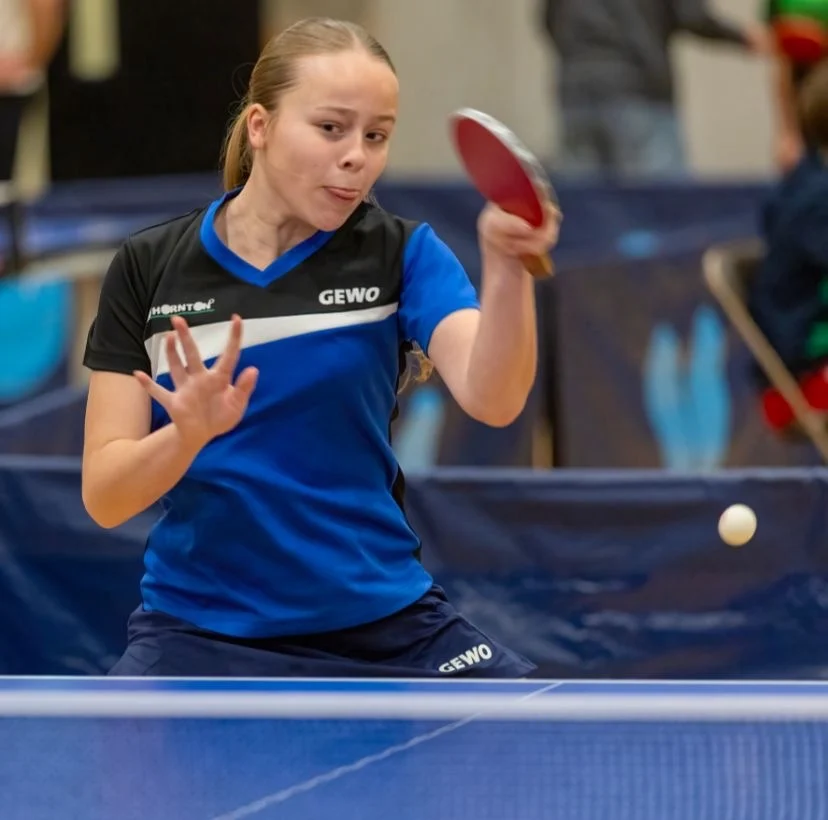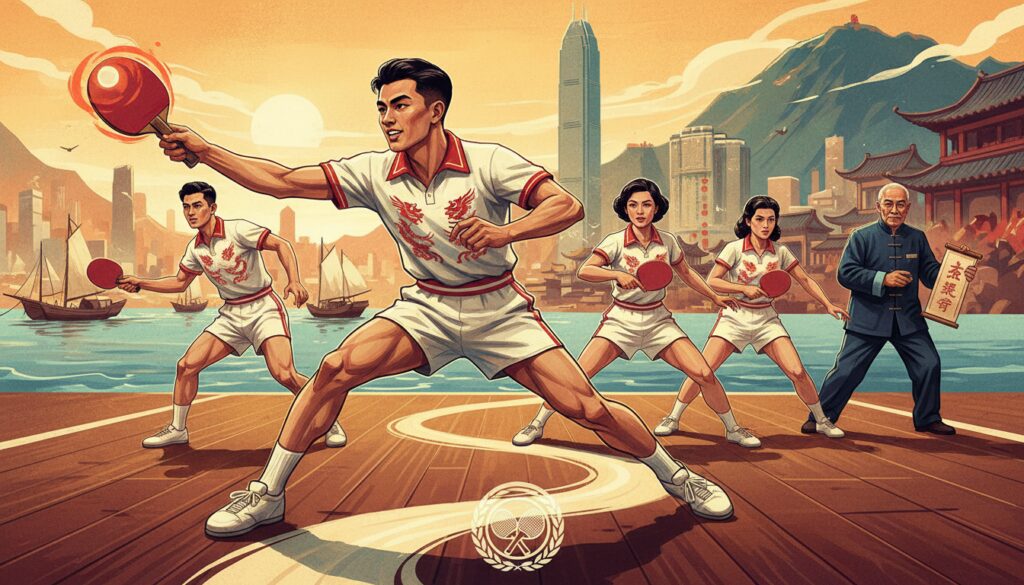
Z2, a prominent social business headquartered in Northern Italy, has officially opened a call for participants for a comprehensive, practitioner-led inquiry aimed at documenting the experiences of dual-career sportspersons currently or formerly engaged in the humanitarian and development sectors. Led by Yasmine Refaat, a veteran in international programme management and a competitive athlete, the study seeks to bridge the gap between high-performance athletics and professional roles within international organizations. By documenting narrative case studies, the initiative intends to provide a roadmap for humanitarian and development agencies to better integrate and support athletes within their workforces. The findings of this inquiry are slated for publication on the International Platform for Sport and Development, a leading global hub for the Sport for Development and Peace (SDP) sector.
Objectives and Scope of the Inquiry
The primary objective of this study is to explore the intersection of two high-pressure fields: elite sports and humanitarian aid. While much research exists regarding the transition of athletes into the corporate sector, there is a significant lack of data concerning those who choose to apply their unique skill sets to the humanitarian and development fields. These sectors often require high levels of resilience, adaptability, and the ability to perform under extreme pressure—traits that are synonymous with high-level competitive sports.
The inquiry aims to sensitize humanitarian and development organizations to the specific needs and advantages of dual-career athletes. By highlighting the challenges these individuals face, such as balancing rigorous training schedules with demanding field missions, the study hopes to encourage the creation of more flexible, conducive work environments. Furthermore, the project aims to advocate for the inclusion of institutional frameworks that recognize the value of the "dual-career" model in the broader labor market, ensuring that athletes do not have to choose between their sporting ambitions and their professional contributions to global development.
Profile of the Lead Researcher: Yasmine Refaat
The study is spearheaded by Yasmine Refaat, whose background embodies the very dual-career path the research intends to examine. With 17 years of professional experience in programme management, Refaat has specialized in monitoring and evaluation (M&E) within the United Nations and various international non-governmental organizations. Her work has focused heavily on youth empowerment and crime prevention, implementing and evaluating projects across diverse humanitarian contexts.
Refaat’s academic credentials include an MSc in Health Psychology from Leiden University and a BA in Psychology from the American University in Cairo. She is currently furthering her expertise by pursuing an MSc in Sport Science at Niccolò Cusano University. Parallel to her professional and academic career, Refaat is a dedicated full-time cycling athlete and sports coach, actively working with cycling teams in Northern Italy. Her founding of Z2 serves as a synthesis of these experiences, positioning the social business as a catalyst for integrating sport into the broader framework of social and economic development.
Methodology: Narrative Case Studies and Qualitative Inquiry
The inquiry will utilize a qualitative, practitioner-led informal methodology. Participants will be invited to share their personal and professional journeys through one-hour, online key informant interviews conducted in English. The focus on narrative case studies allows for a deeper exploration of the "lived experience" of the participants, capturing the nuances of their daily routines, the psychological toll of dual-career management, and the specific instances where their athletic background informed their humanitarian work.
This narrative approach is particularly effective in identifying systemic barriers that may not be apparent in quantitative surveys. By focusing on the stories of individuals, Refaat aims to identify common themes—such as the lack of flexible working hours, the difficulty of maintaining nutrition and training in field locations, and the perceived "stigma" of prioritizing sport alongside professional responsibilities. The final article will serve as a documentation of these narratives, offering a qualitative evidence base for future policy advocacy.
Background and Global Context of Dual Careers in Sport
The concept of the "dual career" has gained significant traction over the last decade, particularly within the European Union. In 2012, the EU Guidelines on Dual Careers of Athletes were established to ensure that high-performance athletes could combine their sporting careers with education and work. The European Commission estimates that there are approximately 6.4 million people working in the sports sector in the EU, many of whom are athletes facing a "cliff-edge" retirement—a sudden loss of identity and income once their competitive years end.
The humanitarian and development sectors present a unique opportunity for these athletes. Organizations like the United Nations, the International Committee of the Red Cross (ICRC), and various international NGOs operate in environments where teamwork, strategic thinking, and physical and mental endurance are paramount. However, the rigid structures of many international organizations often make it difficult for active athletes to maintain their training. The Z2 study arrives at a time when the global "Sport for Development" movement is seeking to professionalize, requiring a workforce that understands both the mechanics of sport and the complexities of international aid.
Chronology and Timeline of the Study
The call for participants represents the initial phase of a multi-year project aimed at influencing organizational policy. The timeline for the study is structured as follows:
- Launch of Call for Participants: Currently active, inviting dual-career sportspersons who are either active or former athletes and currently or formerly employed in the humanitarian/development sectors.
- Interview Phase: Interviews are conducted on a rolling basis, allowing the researcher to engage with participants globally via online platforms.
- Data Analysis and Article Drafting: Following the interviews, the narrative data will be synthesized into a practitioner-led article.
- Deadline for Participation: 31 May 2026. This extended deadline allows for a broad range of participants to be reached, particularly those who may be on long-term field assignments or in the midst of competitive seasons.
- Publication: The final findings will be featured on The International Platform for Sport and Development, ensuring global reach and visibility among key stakeholders in the SDP sector.
Supporting Data: The Case for Athletes in the Workforce
Research into athlete transitions suggests that the skills acquired through competitive sport are highly transferable to the professional world. According to a study by Ernst & Young (EY), 94% of women in C-suite positions have a background in sport, suggesting a strong correlation between athletic participation and leadership success. In the context of the humanitarian sector, these skills include:
- Resilience: The ability to recover from setbacks, a common occurrence in both competitive sport and volatile humanitarian environments.
- Discipline and Time Management: The necessity of balancing 20+ hours of training per week with full-time professional or academic commitments.
- Teamwork and Leadership: Navigating complex group dynamics to achieve a common goal under pressure.
- Cross-Cultural Communication: Many athletes compete internationally, fostering a global mindset that is essential for development work.
Despite these advantages, the "Global Athlete" report indicates that many athletes feel unsupported by their national governing bodies when it comes to career development outside of sport. Z2’s inquiry addresses this gap by focusing on a specific, high-impact niche: the humanitarian professional.
Implications for Humanitarian and Development Organizations
The outcomes of the Z2 study are expected to have several implications for how international organizations approach recruitment and staff retention. If the study successfully demonstrates that dual-career athletes bring exceptional value to humanitarian work, it could lead to the following changes:
- Flexible Working Arrangements: Implementation of "athlete-friendly" policies, such as remote work or flexible hours to accommodate training and competition.
- Specialized Recruitment: HR departments in the development sector may begin to actively scout for former athletes, recognizing their inherent suitability for field-based roles.
- Wellness and Support Systems: A greater focus on the physical and mental well-being of staff, drawing on the sports science principles that athletes use to prevent burnout.
- Institutional Frameworks: Advocacy for international labor standards that protect the rights of dual-career individuals, ensuring they are not penalized for their athletic pursuits.
By focusing on the "practitioner-led" aspect, the study ensures that the recommendations are grounded in the practical realities of the field rather than theoretical academic models. This makes the findings more palatable and actionable for decision-makers within the UN and other international bodies.
Conclusion and Call to Action
The initiative by Z2 and Yasmine Refaat marks a significant step toward a more inclusive and sophisticated understanding of the modern professional. As the world faces increasingly complex humanitarian crises, the need for a resilient, disciplined, and highly motivated workforce has never been greater. Dual-career sportspersons represent a largely untapped reservoir of talent that could significantly enhance the efficacy of development and humanitarian interventions.
Z2 continues to invite eligible participants to contribute to this landmark study. Interested individuals who identify as dual-career sportspersons (active or former) and have experience in the development or humanitarian sectors are encouraged to contact Yasmine Refaat. The insights gathered from these interviews will not only contribute to a scholarly and professional article but will also serve as a foundational document for advocating for a more flexible and supportive global labor market for athletes. With a deadline of May 31, 2026, the study remains a long-term commitment to changing the culture of the humanitarian workforce.