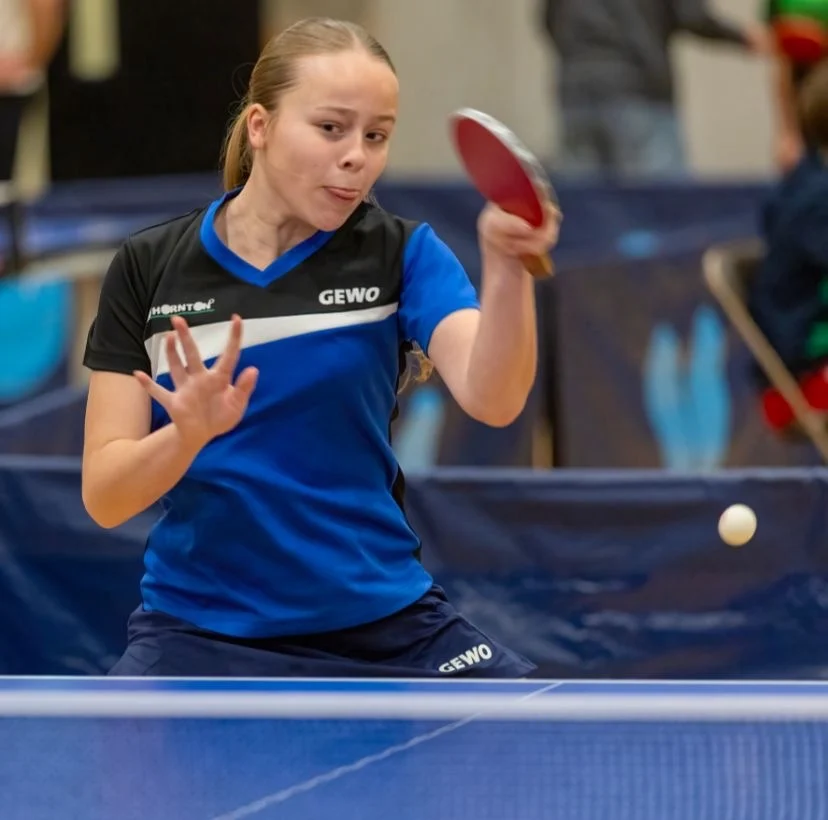
The German women’s national table tennis team has achieved a significant victory at the World Table Tennis Championships in London, clinching the bronze medal in the team competition. The triumph marks a commendable performance on the international stage, showcasing the enduring strength and dedication of German table tennis. While the women celebrated their podium finish, the German men’s team saw their campaign conclude in the quarter-finals, falling to a formidable Japanese contingent. The championships, held in the bustling metropolis of London, have once again highlighted the global appeal and competitive intensity of table tennis.
A Resilient Performance Secures Podium Place
The path to the bronze medal for the German women was paved with determination and skillful play. Facing tough opposition throughout the tournament, the team demonstrated remarkable resilience, overcoming challenges and consistently performing at a high level. The final standings saw them stand atop the podium alongside the gold and silver medalists, a testament to their collective effort and individual prowess. This bronze medal not only adds to Germany’s rich table tennis heritage but also serves as a crucial stepping stone for future competitions, inspiring younger generations of athletes. The precise opponent for the bronze medal match is not detailed in the initial report, but the achievement itself signifies overcoming at least one highly competitive knockout stage.
Men’s Team Falls Short Against Japanese Powerhouse
In stark contrast to the women’s success, the German men’s team faced an early exit from the tournament. Their journey was brought to an abrupt end in the quarter-finals, where they were defeated by the highly-rated Japanese national team. Japan has long been a dominant force in international table tennis, boasting a roster of exceptionally talented players renowned for their speed, agility, and strategic acumen. The quarter-final encounter likely presented a significant challenge for the German men, requiring them to be at their absolute best to overcome such a strong opponent. While the specific scoreline and match details are not provided, the outcome underscores the depth of talent within the Japanese team and the intense competition at the highest echelons of the sport.
Context of the World Table Tennis Championships
The World Table Tennis Championships are the pinnacle event in the sport, organized by the International Table Tennis Federation (ITTF). Held biennially, these championships bring together the best table tennis nations from around the globe to compete for world titles in various categories, including men’s and women’s singles, doubles, mixed doubles, and team events. London, a city with a vibrant sporting culture, provided a fitting backdrop for this prestigious tournament, drawing significant attention from fans, media, and experts alike. The championships serve not only as a platform for elite competition but also as a vital opportunity for players to earn ranking points, gain international experience, and showcase the evolution of table tennis strategies and techniques.
The format of the team competition typically involves a best-of-five matches format, with singles matches and potentially a doubles match, depending on the specific rules of the tournament. Each match win contributes to the overall team victory. The pressure in these knockout stages is immense, as a single loss can significantly impact a team’s chances of advancing.
Supporting Data and Previous Performance
While the provided text focuses on the current championship, understanding Germany’s historical performance in table tennis can offer valuable context. Germany has a proud tradition in the sport, with numerous Olympic medals, World Championship titles, and European championships to its name. The men’s team, in particular, has enjoyed periods of significant dominance, with legendary players like Jan-Ove Waldner (though Swedish, he was a major rival and benchmark for German players) and Timo Boll having left an indelible mark on the sport. The women’s team has also consistently been among the top contenders, with players like Jiao Zhiyong and Ding Ning (Chinese, but representing the level of competition) setting high standards.
In recent years, the global landscape of table tennis has become increasingly competitive, with nations like China, Japan, South Korea, and various European countries constantly pushing the boundaries of the sport. The rise of new talents and the adoption of innovative training methods mean that every tournament presents a fresh set of challenges. Germany’s consistent presence at the top level, even with evolving competition, speaks to the strength of its national table tennis program, including its development pathways and coaching infrastructure.
Timeline and Chronology of the Event (Inferred)
The report indicates the event took place on May 10th, 2026, with the article published at 20:28 Uhr. This suggests that the final matches, including the bronze medal decider for the women and the quarter-final for the men, likely concluded on this day or very recently. The typical structure of such championships would involve group stages followed by knockout rounds. The men’s quarter-final elimination means they would have progressed through their initial group and subsequent knockout matches to reach that stage. The women’s journey to the bronze medal implies they also navigated through their respective group and knockout stages, with their medal match being a crucial final hurdle.
A plausible chronological progression for the men’s team would have been:
- Group Stage: Successful progression, securing a place in the knockout rounds.
- Round of 16: Victory against an opponent.
- Quarter-finals: Encounter with Japan, resulting in elimination.
For the women’s team:
- Group Stage: Successful progression.
- Round of 16: Victory against an opponent.
- Quarter-finals: Victory against an opponent.
- Semi-finals: Potentially a loss to one of the top-ranked teams (e.g., China, Japan, South Korea), leading them to the bronze medal match.
- Bronze Medal Match: Victory securing third place.
The timestamp of the article suggests the news broke in the evening, likely after the day’s matches had concluded.
Official Responses and Athlete Reactions (Inferred)
Following such a significant achievement, it is highly probable that official statements would be released by the German Table Tennis Association (DTTB). These statements would likely express pride in the women’s team’s performance, acknowledge the hard work and dedication of the athletes and coaching staff, and perhaps offer a brief analysis of the men’s team’s efforts.
Individual athletes, upon receiving their medals, would likely express a mix of emotions, including joy, relief, and gratitude. For the bronze medalists, the feeling would be one of accomplishment, having reached the podium at a world championship. They might speak about the challenging matches they faced, the importance of teamwork, and their aspirations for future tournaments.
For the men’s team, the disappointment of an early exit would likely be palpable. However, professional athletes are accustomed to both victories and defeats. Their reactions might focus on learning from the experience, identifying areas for improvement, and reaffirming their commitment to training and future competitions. A common sentiment expressed by athletes after a loss is the respect for their opponents and the understanding that the competition was exceptionally tough.
Broader Impact and Implications
The bronze medal for the German women’s team has several positive implications. Firstly, it reinforces Germany’s status as a major power in international table tennis and provides a morale boost for the entire national program. This success can inspire a new generation of young players to take up the sport, potentially leading to a stronger talent pool in the future.
Secondly, it contributes to the visibility and popularity of table tennis within Germany. Successful performances at major international events often translate into increased media coverage and public interest, which can lead to greater support for the sport at all levels, from grassroots clubs to elite training centers.
The early exit of the men’s team, while disappointing, also serves as a learning opportunity. It highlights areas where the team may need to focus its development efforts, whether it be in terms of player training, tactical preparation, or facing specific types of opposition. International tournaments like the World Championships provide invaluable data for coaches and sports scientists to analyze performance and strategize for future competitions.
Furthermore, the competitive landscape of table tennis is constantly evolving. The dominance of certain nations, while impressive, also spurs innovation and development in other countries. Germany’s continued success, even in the face of such global competition, demonstrates the effectiveness of its sports development strategies and the dedication of its athletes and coaches. The results from London will undoubtedly be dissected and analyzed as part of the ongoing effort to maintain and enhance Germany’s standing in the global table tennis arena. The focus will now likely shift towards upcoming tournaments, including continental championships and the next Olympic cycle, with the lessons learned from this World Championships serving as a crucial part of the preparation.