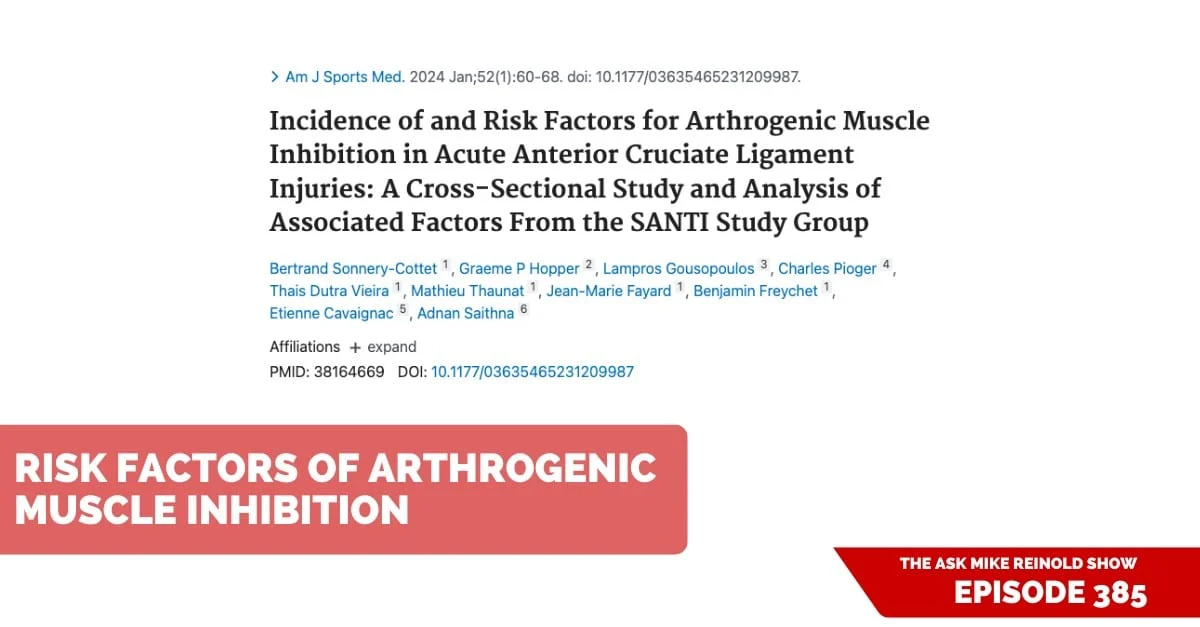
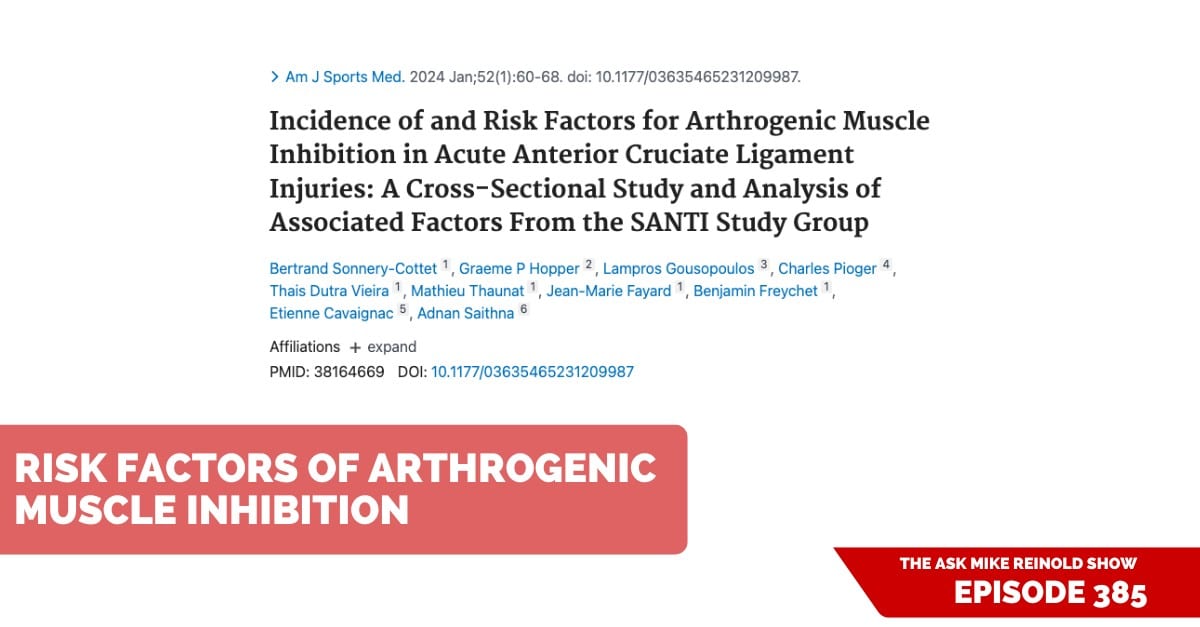
Arthrogenic Muscle Inhibition (AMI) has long been recognized as one of the most significant barriers to successful rehabilitation following an Anterior Cruciate Ligament (ACL) injury. This neurological phenomenon, characterized by the inability to voluntarily contract the quadriceps muscle despite no direct damage to the muscle tissue itself, often leads to chronic weakness, muscle atrophy, and persistent gait abnormalities. However, a landmark study recently published in the American Journal of Sports Medicine (AJSM) by the SANTI Study Group is reshaping the clinical understanding of this condition. The research suggests that while AMI is prevalent in over half of acute ACL patients, it is far more reversible than previously believed, with nearly 80% of cases capable of being fully resolved within a single clinical session through targeted neurological interventions.
The Mechanism of Neural Shutdown: Understanding AMI
To appreciate the significance of the recent findings, it is essential to understand the physiological basis of Arthrogenic Muscle Inhibition. AMI is not a mechanical failure of the muscle fibers; rather, it is a protective neural response to joint trauma. When the ACL is torn, the resulting effusion (swelling) and inflammation alter the sensory input from the knee joint to the central nervous system. This change in signaling triggers inhibitory pathways at both the spinal and cortical levels.
At the spinal level, the "flexor reflex" is activated, which increases the activity of the hamstrings (the knee flexors) while simultaneously shutting down the motor neurons responsible for quadriceps activation. At the cortical level, the brain effectively "forgets" how to recruit the quadriceps as a means of protecting the injured joint from further stress. This dual-layered inhibition creates a "neural block" that prevents traditional strengthening exercises from being effective until the inhibition is addressed. If left untreated, AMI leads to rapid quadriceps atrophy, which is a primary predictor of poor long-term outcomes and an increased risk of reinjury.
Methodology: The SANTI Study Group Analysis
The study, titled "Incidence of and Risk Factors for Arthrogenic Muscle Inhibition in Acute Anterior Cruciate Ligament Injuries," analyzed a cohort of 300 patients who had sustained an ACL injury within the previous six weeks. The researchers utilized the Sonnery-Cottet AMI Classification system to evaluate the severity of inhibition in each patient. This classification ranges from Grade 0, where the quadriceps fire normally and the knee can achieve full extension, to Grade 3, which represents a chronic, fixed loss of extension that may require surgical intervention.
The evaluation process involved patient-reported outcome measures, comprehensive physical examinations, and independent grading by two orthopedic surgeons. The primary goal was to quantify the prevalence of AMI in the acute phase of injury—the period between the initial trauma and surgical reconstruction—and to identify specific "red flags" that correlate with the severity of muscle shutdown.
Key Findings: Prevalence and Surprising Reversibility
The data revealed that AMI is a common clinical reality, affecting 56% (170 out of 300) of the participants. These patients demonstrated significant deficits in quadriceps activation and knee extension, which translated to lower scores on functional outcome measures compared to their non-inhibited peers.
However, the most striking discovery was the "fragility" of the inhibition. Of the 170 patients presenting with AMI, 135 (approximately 79%) were able to completely reverse the condition in a single visit. This was achieved through a specific protocol of simple neuromuscular exercises, primarily focusing on "fatiguing" the hamstrings to release the reciprocal inhibition on the quadriceps. For the remaining 21% who did not respond to initial exercises, more intensive methods—such as electromyographic (EMG) biofeedback and motor imagery—were required to "flip the switch" back on.
Identifying the Clinical Red Flags
The study identified several risk factors that significantly increased the likelihood of a patient presenting with AMI. Clinicians can use these indicators as diagnostic "red flags" to prioritize neurological reactivation early in the treatment plan.
- Joint Effusion and Pain: High levels of swelling and reported pain were the strongest predictors. The pressure from intra-articular fluid directly triggers the inhibitory signals to the spinal cord.
- The "Pillow Under the Knee" Habit: One of the most critical findings for patient education was the negative impact of placing a pillow under the knee during sleep or rest. This position encourages a flexion contracture and reinforces the neural shutdown of the quadriceps.
- Prolonged Crutch Use: Patients who remained dependent on crutches for extended periods were two to three times more likely to exhibit AMI. This suggests that the lack of weight-bearing and the resulting alteration in gait mechanics further entrench the inhibitory pathways.
- Injury Complexity and Duration: Multi-ligamentous injuries and evaluations performed very shortly after the initial trauma (when inflammation is at its peak) were also associated with higher rates of AMI.
The Paradox of Previous Injury
One of the more intriguing findings of the SANTI Study Group was that a previous history of ACL injury—whether on the same (ipsilateral) or opposite (contralateral) leg—actually served as a protective factor against AMI. Patients who had previously undergone ACL rehabilitation were significantly less likely to experience severe muscle shutdown following a subsequent injury.
Researchers hypothesize that this may be due to Central Nervous System (CNS) adaptation. A patient who has already navigated the "relearning" process of quadriceps activation may have developed more resilient neural pathways. Additionally, there is a psychological component; "veteran" patients often have lower levels of kinesiophobia (fear of movement) and a better understanding of the importance of early activation, which may down-regulate the body’s protective inhibitory response.
Innovation in Treatment: The Hamstring Fatigue Protocol
The AJSM study highlights a shift in treatment philosophy. Traditionally, clinicians attempted to overcome AMI by "forcing" the quadriceps to fire through high-intensity electrical stimulation or heavy loading. The newer approach focuses on "tricking" the nervous system into releasing the inhibition.
The protocol used in the study involved PNF (Proprioceptive Neuromuscular Facilitation) contract-relax techniques and hamstring fatiguing exercises. By repetitively contracting the hamstrings against resistance, the clinician induces a state of temporary fatigue in the flexor muscles. According to the principle of reciprocal inhibition, as the hamstrings become less active, the neural drive to the quadriceps is naturally upregulated. Video evidence from the study demonstrated that after a single bout of hamstring fatigue, patients who previously could not perform a straight-leg raise were suddenly able to achieve a crisp quadriceps contraction and a "heel pop" (full knee hyperextension).
The Role of Technology and Biofeedback
For the subset of patients whose AMI is more stubborn, technology is playing an increasingly vital role. Tools such as the mTrigger biofeedback system allow patients to see real-time data regarding their muscle activation. When a patient can see a visual representation of their quadriceps firing on a screen, it helps bridge the gap between the cortical intent to move and the physical execution. This "visual-motor" loop can bypass some of the inhibitory signaling at the spinal level, making it an essential tool for Grade 2 AMI cases.
Professional Consensus and Broader Implications
Leading sports physical therapists, including Mike Reinold and Lenny Macrina of Champion PT and Performance, have noted that these findings validate many long-held clinical observations while providing a more structured framework for intervention. The consensus among experts is that the "waiting game" in ACL rehab must end.
"As soon as you get that heel pop and you can do your straight leg raises without a quad lag, life gets a lot easier in ACL rehab," noted Brendan Gates during a review of the study. The ability to restore quadriceps function early not only prevents atrophy but also allows for a more normalized gait, reducing secondary stress on the hip and ankle.
The study also challenges the recent trend on social media advocating for extended crutch use or prolonged bracing after ACL injury. The data suggests that these "protective" measures may actually be counterproductive by facilitating the very inhibition that clinicians are trying to avoid. Instead, the focus is shifting toward "pre-habilitation" protocols that emphasize immediate swelling control, the elimination of the "under-knee pillow," and early weight-bearing gait training.
Conclusion: A New Standard for ACL Care
The research from the SANTI Study Group provides a powerful message of optimism for both clinicians and patients. AMI is a formidable opponent, but it is not an invincible one. By identifying red flags early and utilizing targeted neurological techniques like hamstring fatigue and biofeedback, the vast majority of ACL patients can "reconnect" with their quadriceps long before they ever step into an operating room.
As the sports medicine community continues to refine these protocols, the focus remains clear: the path to a successful ACL recovery begins with the nervous system. Restoring the brain-to-muscle connection is the critical first step in transforming a traumatic injury into a successful return to sport. For the 300 patients in this study, and the thousands who will follow, these insights represent a significant leap forward in reducing the long-term burden of ACL injuries.